
Search
Speech and language therapists' (SLT) practice with cultural and linguistic diverse (CALD) populations with acquired and congenital neurogenic communication disorders in Denmark and Sweden is becoming more urgent due to demographic changes.
The prevalence of allergic diseases across the Australian population, in all regions and age groups, is not well documented. This study aimed to describe the prevalence and distribution of five allergic diseases (allergic rhinitis, asthma, drug allergy, eczema, and food allergy) and examine differences by sociodemographic factors.
Observable signs of clinical deterioration may present differently in children with dark-coloured skin, leading to potential missed or delayed recognition. It is unknown how health professionals approach assessment in children with dark-coloured skin.
The developing hippocampus is particularly sensitive to early environmental influences, including during pregnancy. This longitudinal neuroimaging study examined associations between prenatal maternal physical activity and depression, maternal education, and hippocampal development from early childhood to early adolescence.
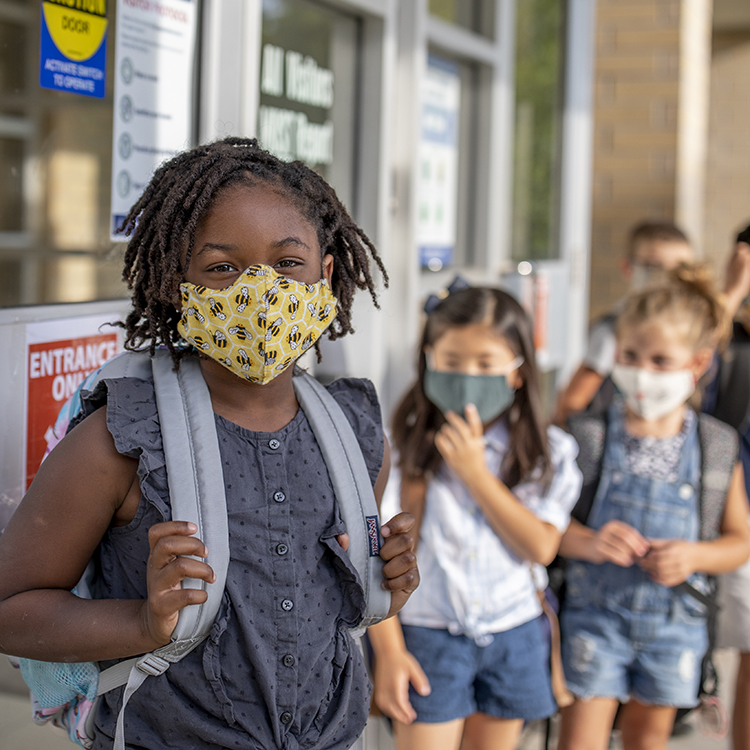
While COVID-19 is new and frightening, these resources are designed to help families tackle the challenges this virus has created for us.
One in eight children have asthma, a chronic disease of the airways in the lungs. It results in shortness of breath, chest tightness, wheezing and coughing.
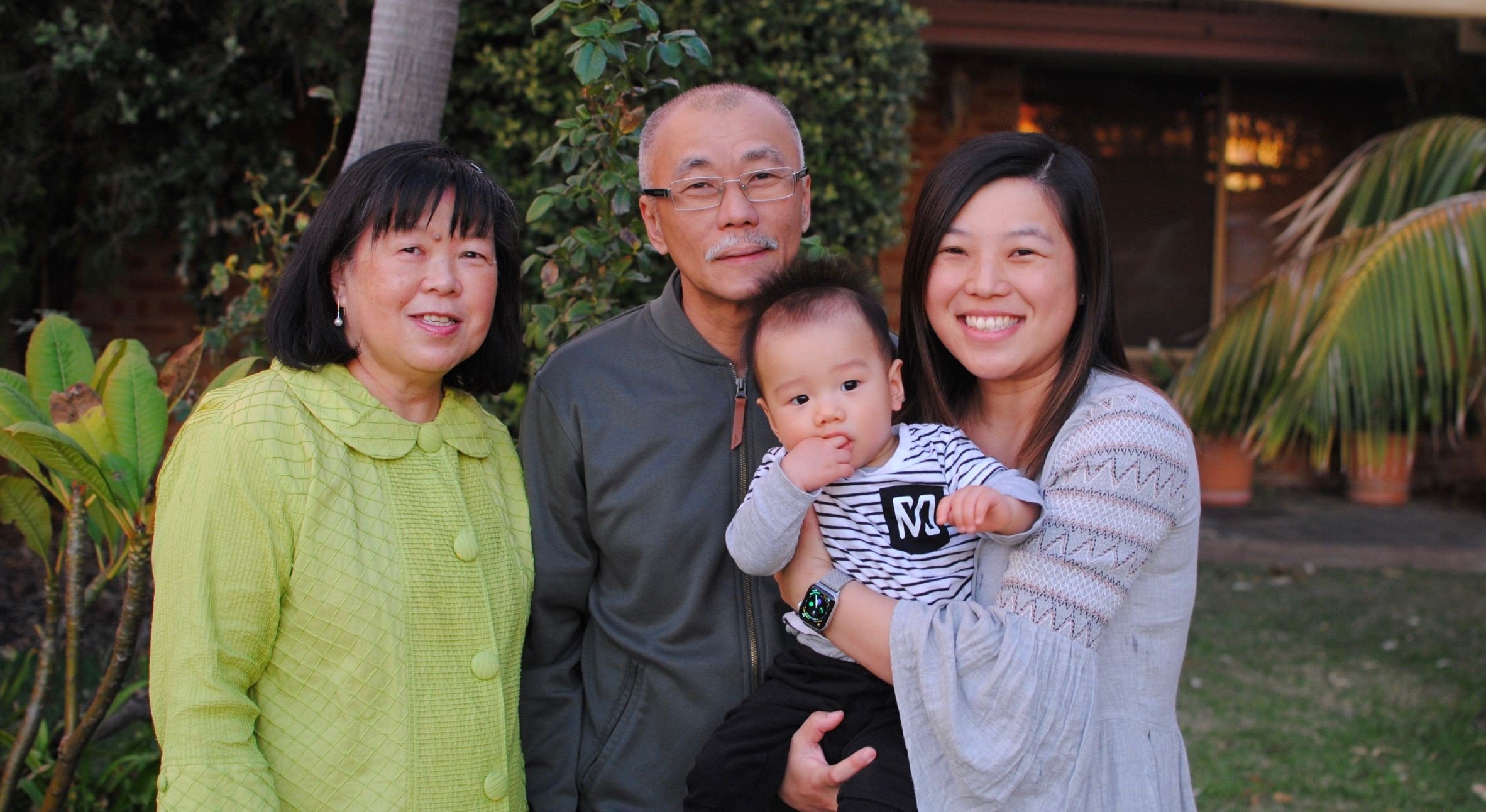
Between 1989 and 1991, almost 3,000 WA babies were recruited to the Raine Study - an ambitious research project which would yield a series of paradigm-shifting findings that changed scientific thinking. Three decades on, it has also changed the lives of those taking part.
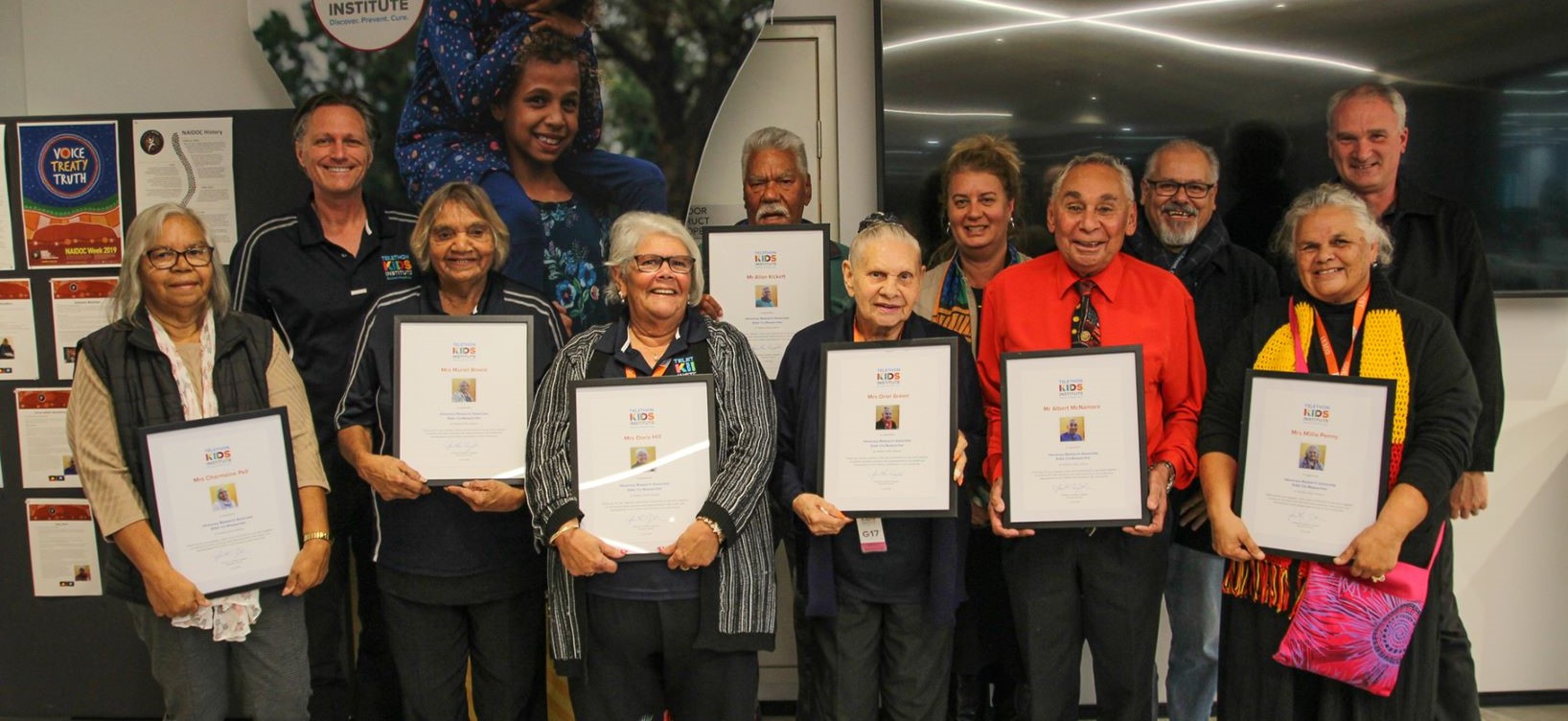
The Ngulluk Koolunga Ngulluk Koort (Our Children, Our Heart) Project grew out of a bold vision to harness the wisdom of Aboriginal Elders to improve outcomes for Aboriginal children, producing a suite of Elder-led, culturally appropriate and empowering initiatives that are making a difference.

Two international trials led by The Kids Research Institute Australia’s Neonatal and Infection Immunity Team are tackling the urgent need for simple and safe interventions that can help prevent the adverse long-term effects of infections in extremely preterm babies.
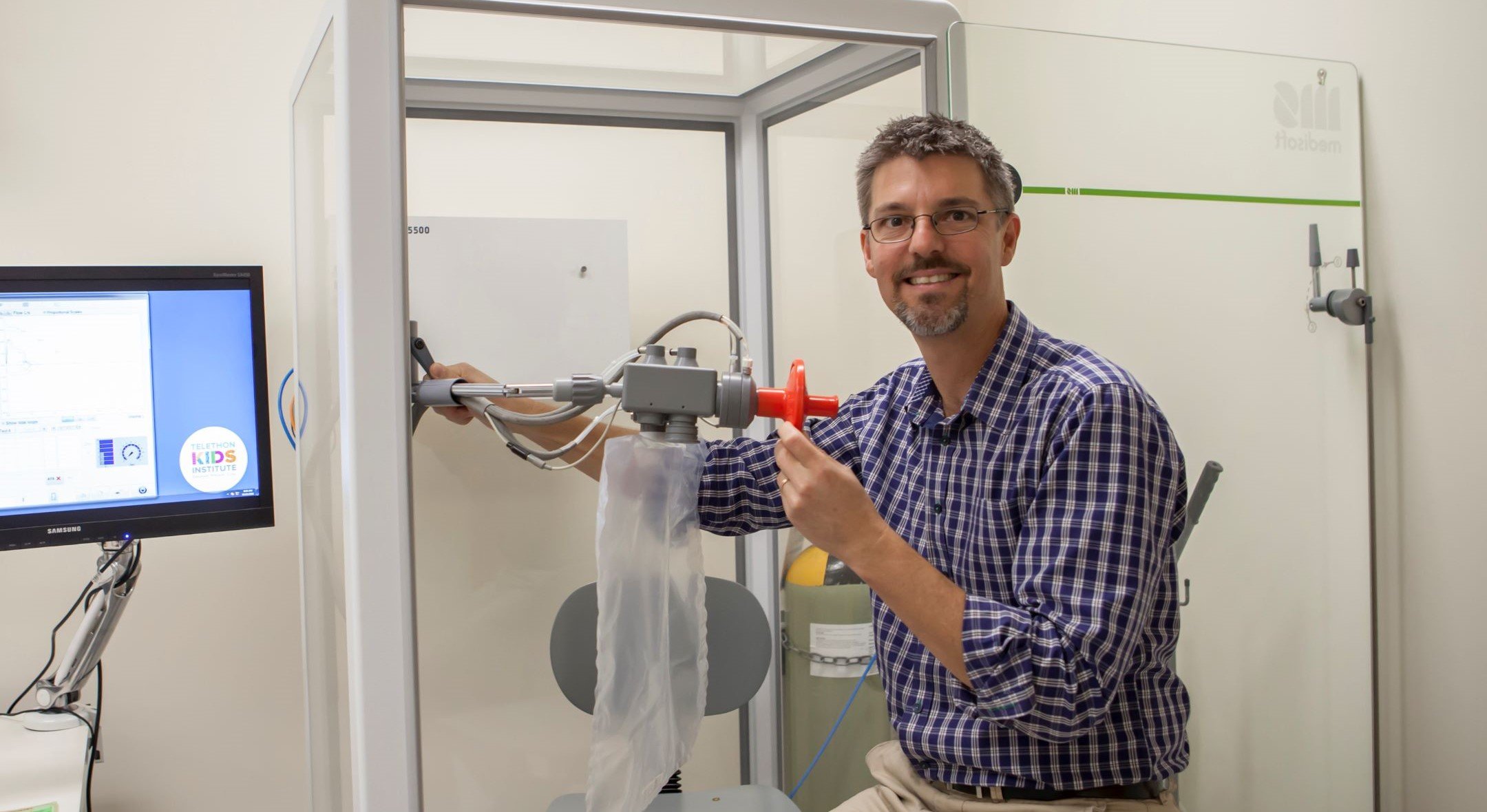
A global network of researchers and clinicians, co-led by The Kids’ Professor Graham Hall, has transformed international best practice in identifying low lung function and diagnosing and treating lung disease.