
Search

Proudly funded by a Telethon Trust Research Grant, the Supporting Families project started in 2024 with the aim of co-designing a new clinical pathway for children with early stage type 1 diabetes (T1D).

Good planning and communication between families and schools is very important to ensure children are safe and supported. With the new school year underway, hear from our Social Work team with their top tips on managing the start of a new school year.

A new research study conducted by Professor Jeneva Ohan and Dr Keely Bebbington aims to develop our understanding of how adolescents navigate these disclosure decisions, and how we can support them to feel more confident when talking to others about their diabetes.
The Gender and IMmunity study (GIM) aims to evaluate how gender-affirming hormone therapy impacts the immune system in young trans individuals, and how this translates to short and long-term health outcomes.

The aim of this project is to develop and implement a culturally safe, responsive and trauma-informed parenting program for Aboriginal and Torres Strait Islander families.
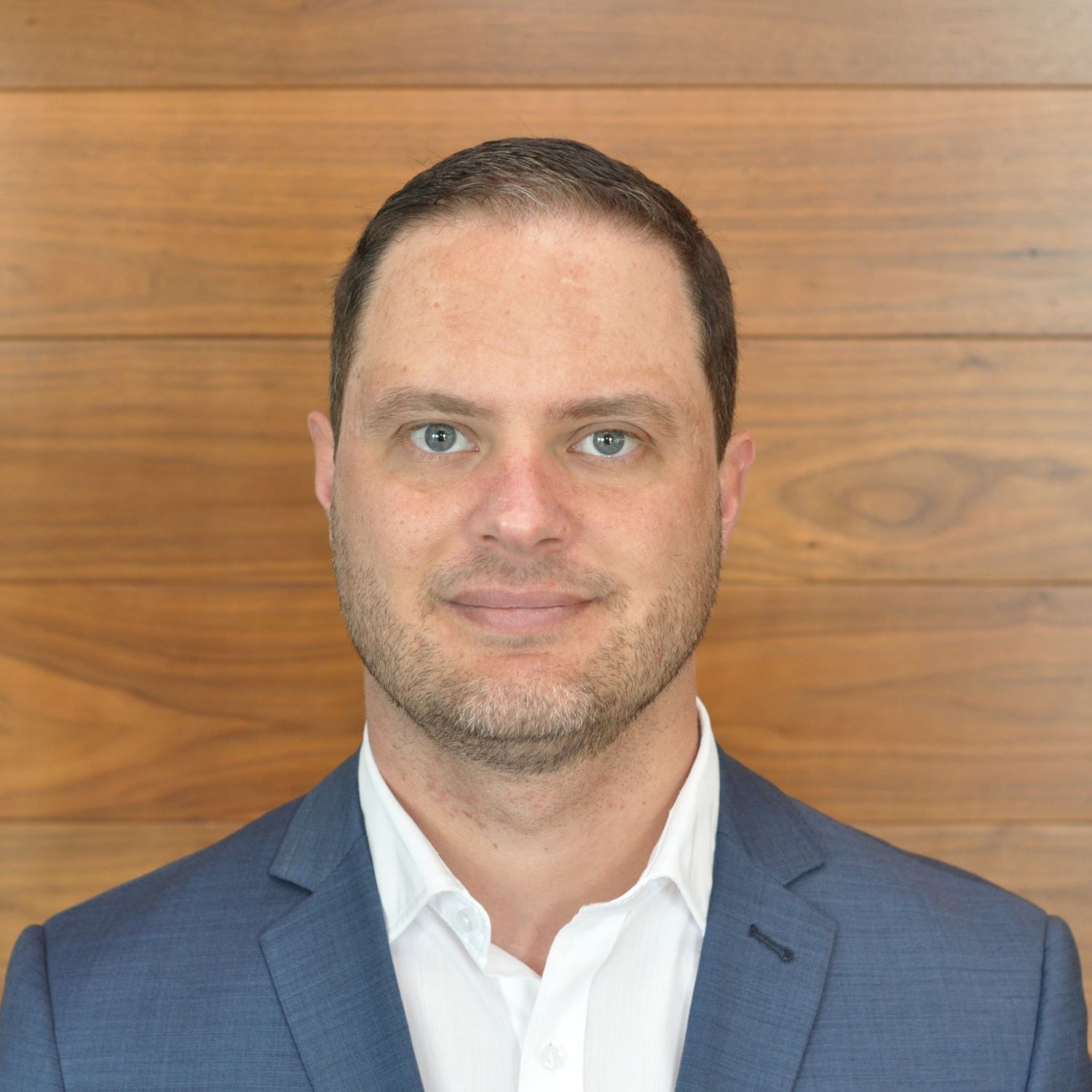
Dr Jeffrey Cannon is a Health Economist at The Kids Research Institute Australia. Jeff completed his PhD in health economics at the University of Western Australia. His work in health and medical research spans across maternal and newborn health, infectious diseases and more recently, childhood onset diabetes.

Consumer Representative Sharon Harvey
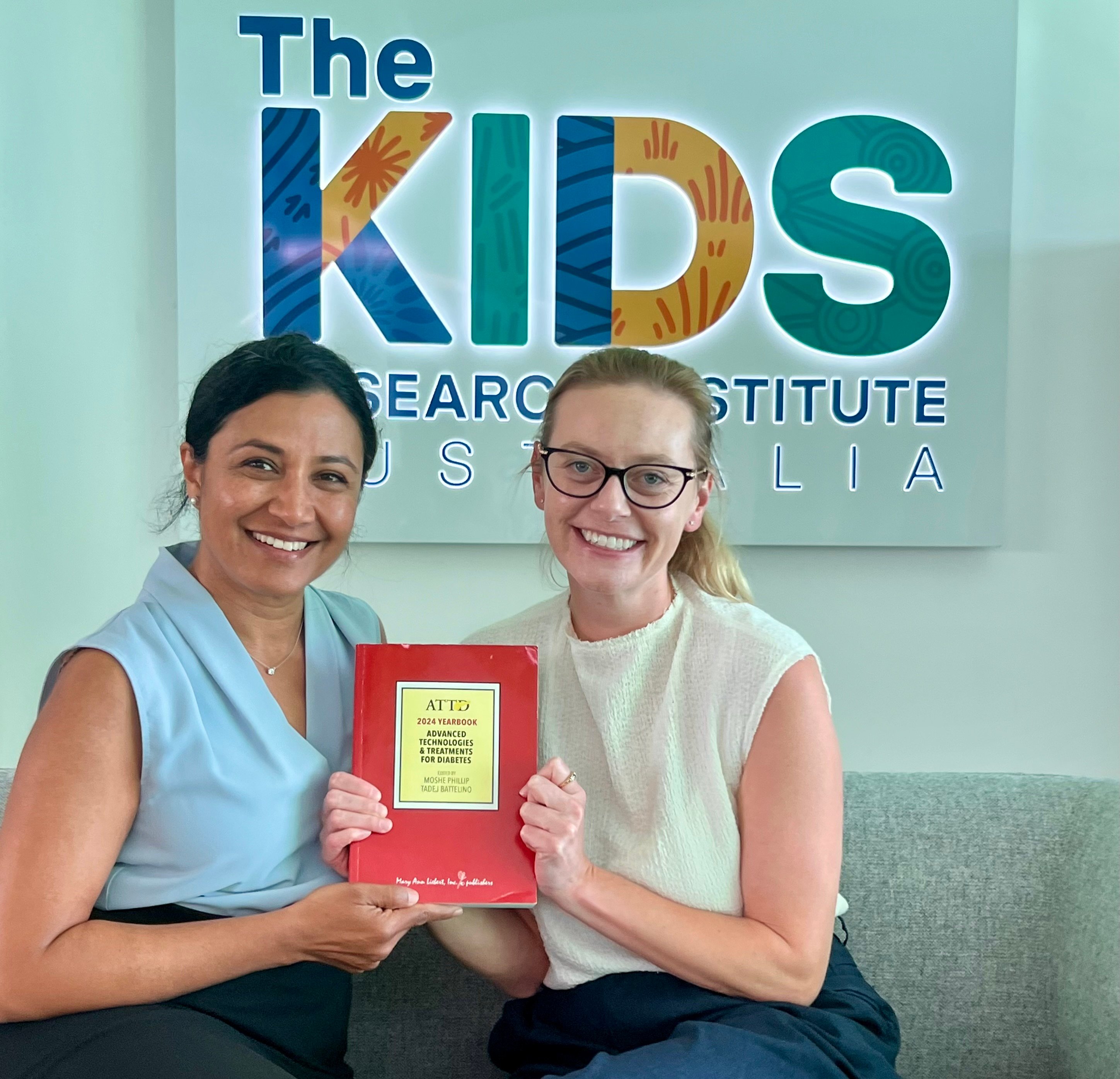
Fantastic news for two of our talented researchers whose papers were featured in the Advanced Technologies & Treatments for Diabetes (ATTD) 2024 Yearbook.
This project aims to investigate the long-term impacts of top surgery – a term encompassing both chest reconstructive surgery and breast augmentation – on gender dysphoria, mental health, well-being and quality of life in trans and gender diverse individuals.

Mobile phones are an important part of diabetes management but its also important to set some family rules for your child's technology use.