
Search
Clinical Lead, Occupational Therapy
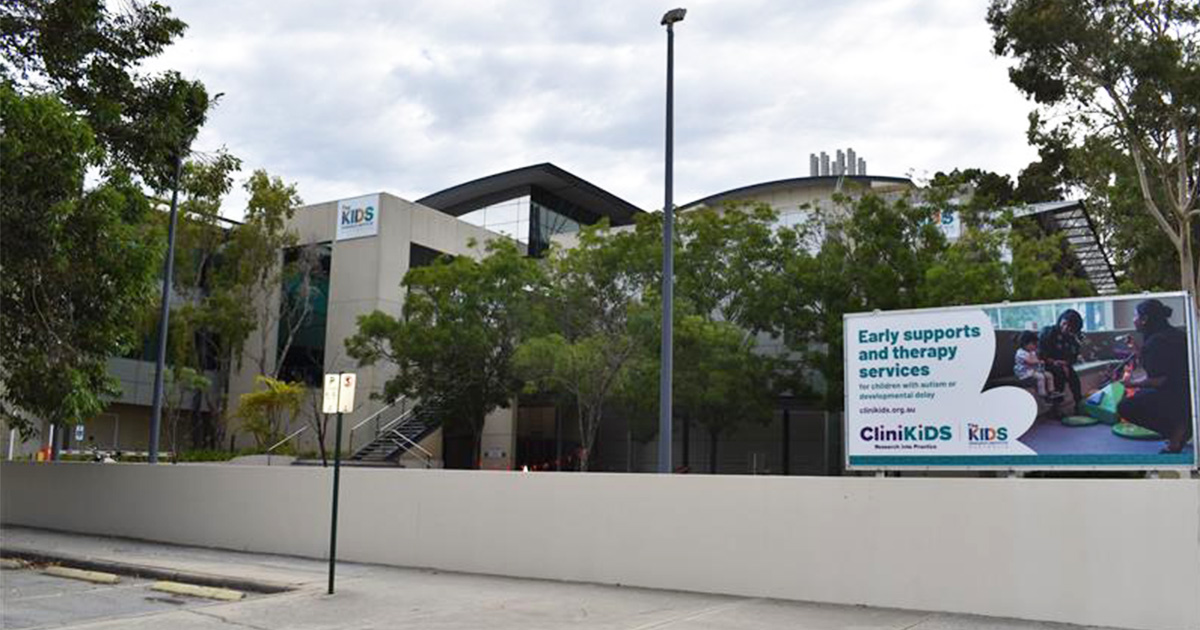
CliniKids has clinics in Subiaco and in Joondalup
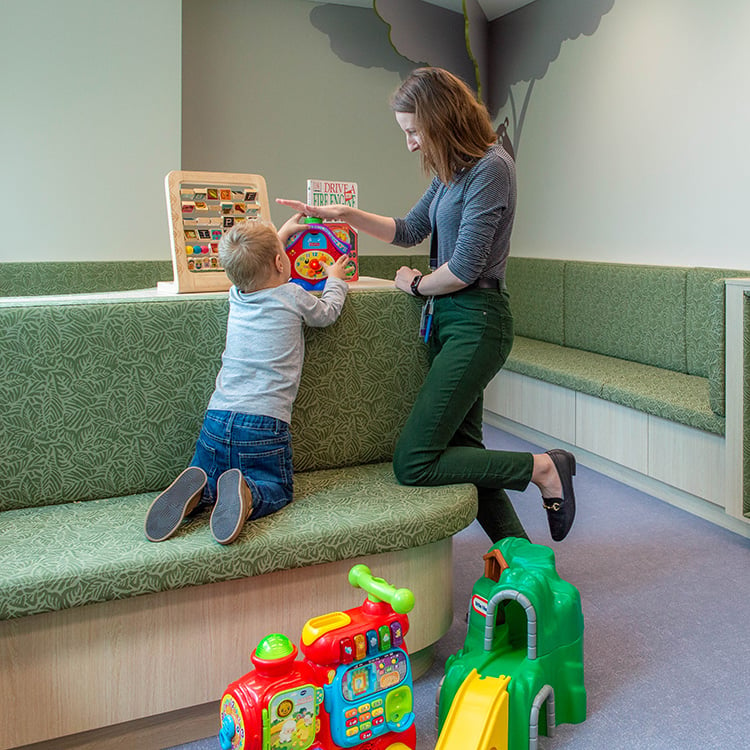
CliniKids provides therapy support and individualised programs to help children and families to reach their full potential.
LIFECYCLE is a significant and visionary project to establish an integrated set of long-term world-wide cohorts and clinical trials, which can be investigated and compared across the full life of cohort participants.
Alexander Larcombe BScEnv (Hons) PhD Honorary Research Fellow Honorary Research Fellow Associate Professor Alexander Larcombe began work at The Kids
The Malaria Atlas Project (MAP) aims to disseminate free, accurate and up-to-date geographical information on malaria and associated topics. Our mission is to generate new and innovative methods to map malaria, to produce a comprehensive range of maps and estimates that will support effective planning of malaria
Adam Dan Francesca Susan Saddler Weiss Sanna Rumisha PhD PhD Dr PhD (Biostatistics) Senior Research Officer Honorary Research Fellow Research
Nick Golding BSc DPhil Honorary Research Fellow Nick.Golding@thekids.org.au Honorary Research Fellow Professor Nick Golding is the UWA Chair in
Childhood asthma begins as wheeze (a whistling sound produced by the airways during breathing) during preschool age.
Lea-Ann Peter Ruth Kirkham Richmond Thornton PhD MBBS MRCP(UK) FRACP PhD Co-Head, Bacterial Respiratory Infectious Disease Group; Microbiology Lead,