Search
Research
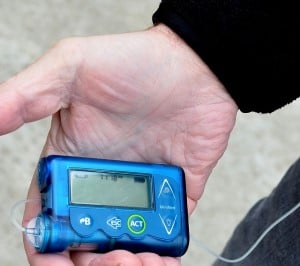
Can flash glucose monitoring improve glucose management for Aboriginal and Torres Strait Islander peoples with type 2 diabetes? A protocol for a randomised controlled trialAboriginal and Torres Strait Islander peoples are disproportionately impacted by type 2 diabetes. Continuous glucose monitoring technology (such as Abbott Freestyle Libre 2, previously referred to as Flash Glucose Monitoring) offers real-time glucose monitoring that is convenient and easy to use compared to self-monitoring of blood glucose.
Research
Congenital SyphilisTobias Strunk MD, PhD, FRACP Head, Neonatal Health tobias.strunk@thekids.org.au Head, Neonatal Health Clinical Professor Tobias Strunk is a
Research
The Impact of a Multifaceted Tertiary Pediatric Hospital's Antimicrobial Stewardship ServiceAntimicrobials are the most commonly prescribed drug class in children. Overuse through inappropriate prescribing is a key driver of antimicrobial resistance and is recognized as one of the top 10 threats to global health by the World Health Organization.
Research
Improving primary care for Aboriginal and Torres Strait Islander people with rheumatic heart disease: What can I do?Acute rheumatic fever and rheumatic heart disease disproportionately affect Aboriginal and Torres Strait Islander people in Australia, with devastating impacts on morbidity, mortality and community wellbeing. Research suggests that general practitioners and primary care staff perceive insurmountable barriers to improving clinical outcomes, including the need for systemic change outside their scope of practice.
Research
Long-term follow-up after recurrent otitis media and ventilation tube insertion: Hearing outcomes and middle-ear health at six years of ageTo investigate the long-term impact of recurrent otitis media (rOM) and ventilation tube insertion (VTI) in early childhood on hearing outcomes and middle-ear health three to five years later, in a prospective pregnancy cohort study.
Research
ASCOT ADAPT study of COVID-19 therapeutics in hospitalised patients: an international multicentre adaptive platform trialSARS-CoV-2 infection is associated with a significant risk of hospitalisation, death, and prolonged impact on quality of life. Evaluation of new treatment options and optimising therapeutic management of people hospitalised with SARS-CoV-2 infection remains essential, but rapid changes in pandemic conditions and potential therapies have limited the utility of traditional approaches to randomised controlled trials.
Research
Genome Sequences of Two Lytic Staphylococcus aureus Bacteriophages Isolated from WastewaterTwo lytic double-stranded DNA (dsDNA) bacteriophages, belonging to the family Herelleviridae, were isolated from wastewater in Western Australia. Biyabeda-mokiny 2 appears to belong to the genus Kayvirus, and Koomba-kaat 1 to Silviavirus.
Research
Human Milk Microbiome and Microbiome-Related Products: Potential Modulators of Infant GrowthInfant growth trajectory may influence later-life obesity. Human milk provides a wide range of nutritional and bioactive components that are vital for infant growth. Compared to formula-fed infants, breastfed infants are less likely to develop later-onset obesity, highlighting the potential role of bioactive components present in human milk.
Research
Phage Therapy as an Alternative Treatment Modality for Resistant Staphylococcus aureus InfectionsThe production and use of antibiotics increased significantly after the Second World War due to their effectiveness against bacterial infections. However, bacterial resistance also emerged and has now become an important global issue.
Research
Current gaps in knowledge and future research directions for Aboriginal and Torres Strait Islander children with cancerPaediatric cancer is the leading cause of disease-related death in Australian children. Limited research focuses on cancer in Aboriginal and Torres Strait Islander children. Although there appears to be a lower incidence of cancer overall in Aboriginal and Torres Strait Islander children compared with non-Indigenous children, a high proportion of Aboriginal and Torres Strait Islander children are diagnosed with acute myeloid leukaemia.