
Search
In children, the majority of cases are self-limiting and thus many paediatric patients can be managed conservatively with minimal complications. This varies considerably compared to adult newly diagnosed immune thrombocytopaenia (NDITP) where, in most cases, thrombocytopaenia persists with higher risk of moderate to severe bleeding complications.
This study assessed the relationship between maternal working hours and stunting, underweight and obesity in children under age 5 in China, using data from the China Nutrition and Health Survey (CNHS) conducted in 2002 and multivariable logistic regression. We found that maternal work hours 25–40 or >40 h per week were associated with a higher risk for underweight and stunting (under growth) in children under age 5.
The Perth Emotional Reactivity Scale (PERS) is a 30-item self-report questionnaire that assesses the ease of activation, intensity, and duration of negative and positive emotions. Our study aimed to introduce and validate the Polish version of the PERS.
A comparative study to describe the increase in medical admissions of children and adolescents with anorexia nervosa (AN) in Western Australia in 2019 (pre-pandemic) and 2020 (peri-pandemic).
While there are many skin infections, reducing the burden of scabies and impetigo for remote living Aboriginal people, particularly children remains challenging. Aboriginal children living in remote communities have experienced the highest reported rate of impetigo in the world and are 15 times more likely to be admitted to hospital with a skin infection compared to non-Aboriginal children.
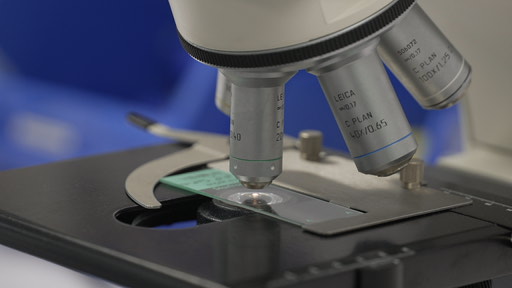
The Kids Research Institute Australia is equipped with a diverse range of histology and microscopy equipment and analysis software to facilitate state-of-the-art imaging.
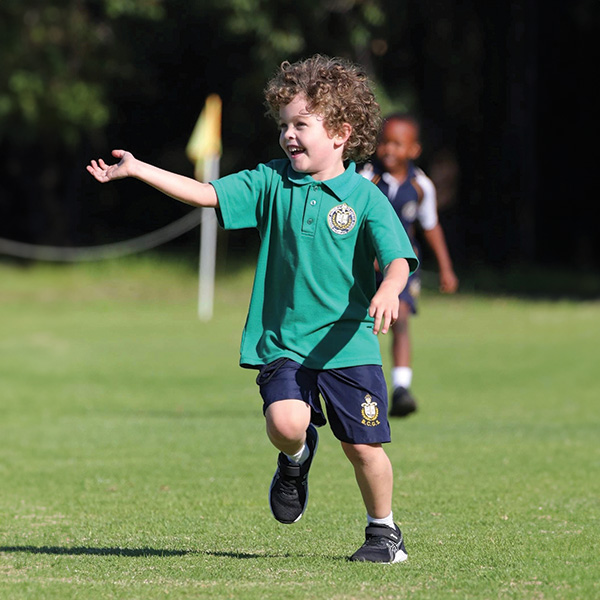
COMBAT CF is one of two long-standing international trials which have resulted in new early intervention options helping to reduce progressive lung damage in kids living with CF.
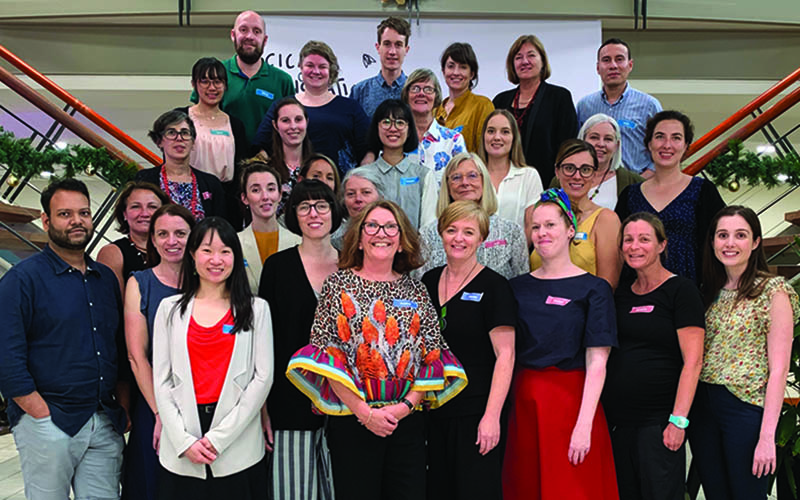
The FASD Research Australia Centre of Research Excellence (CRE) has substantially built the evidence base around FASD and had a significant impact on advocacy, policy and practice.
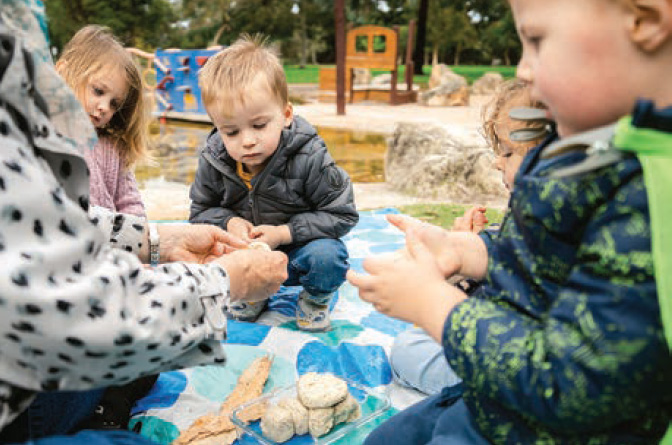
The ORIGINS Project is a decade-long longitudinal study of more than 18,000 individuals including mothers, partners and children, as part of a collaboration between The Kids Research Institute Australia and Joondalup Health Campus.
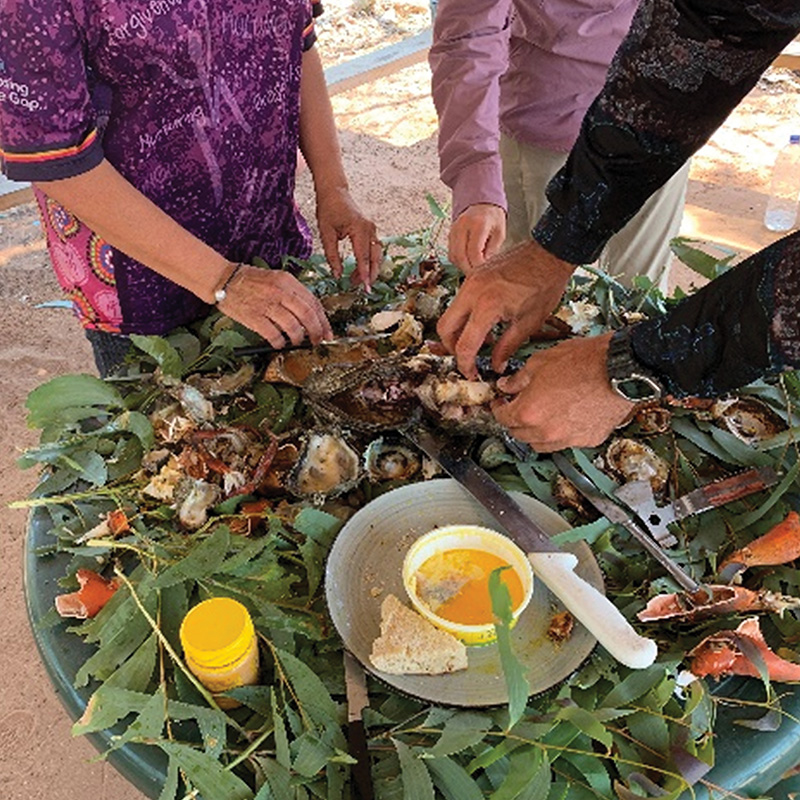
Researchers are collaborating with Community Elders to find out how bush tucker and traditional food can improve the health of Aboriginal children.