
Search
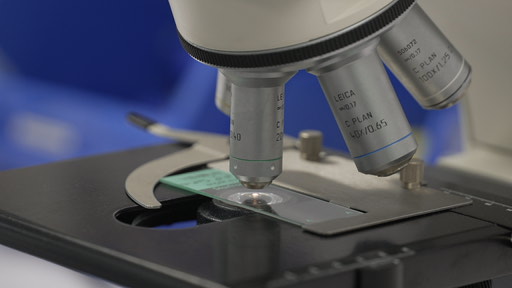
The Kids Research Institute Australia is equipped with a diverse range of histology and microscopy equipment and analysis software to facilitate state-of-the-art imaging.
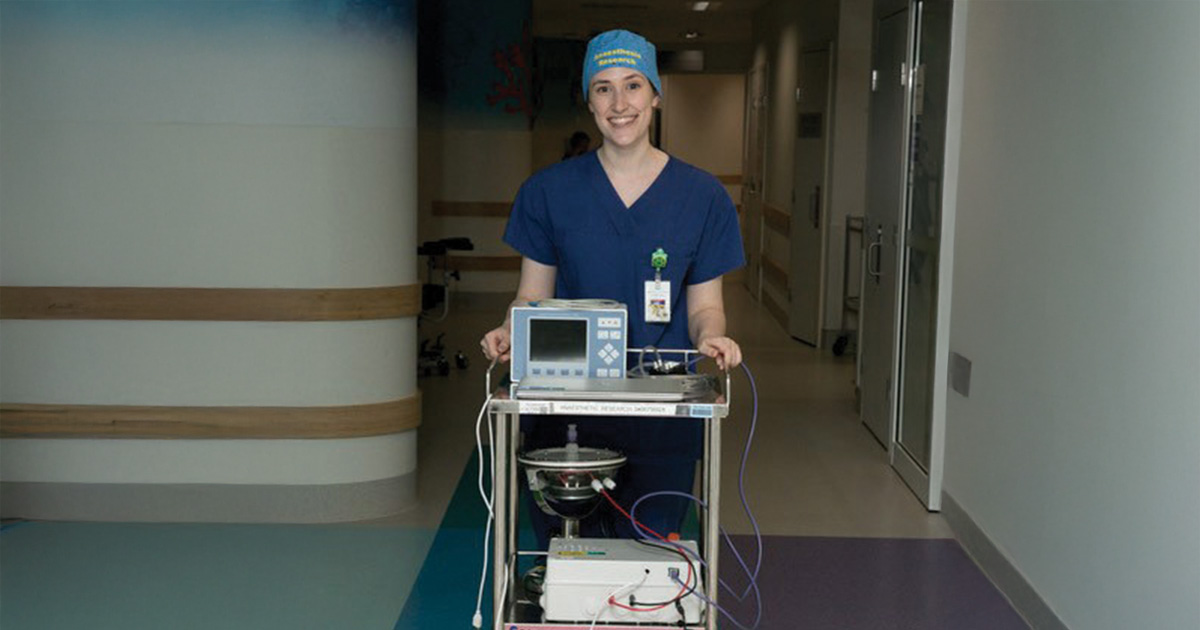
When kids are having surgery, the most common problem that can occur during anaesthesia is a respiratory adverse event.

Affecting approximately 400 people in Australia, Rett syndrome is a rare neurological disorder that occurs almost exclusively in girls and affects mobility and development, impacting everything from walking and talking to eating and breathing.

As a leading research site in Australia, the Wesfarmers Centre of Vaccines and Infectious Diseases played an instrumental role in the global effort to develop a world-first RSV immunisation for young babies.

Formative research undertaken by The Kids Research Institute Australia has helped inform tough new laws introduced by the Federal Government to reduce the harm caused by vapes.
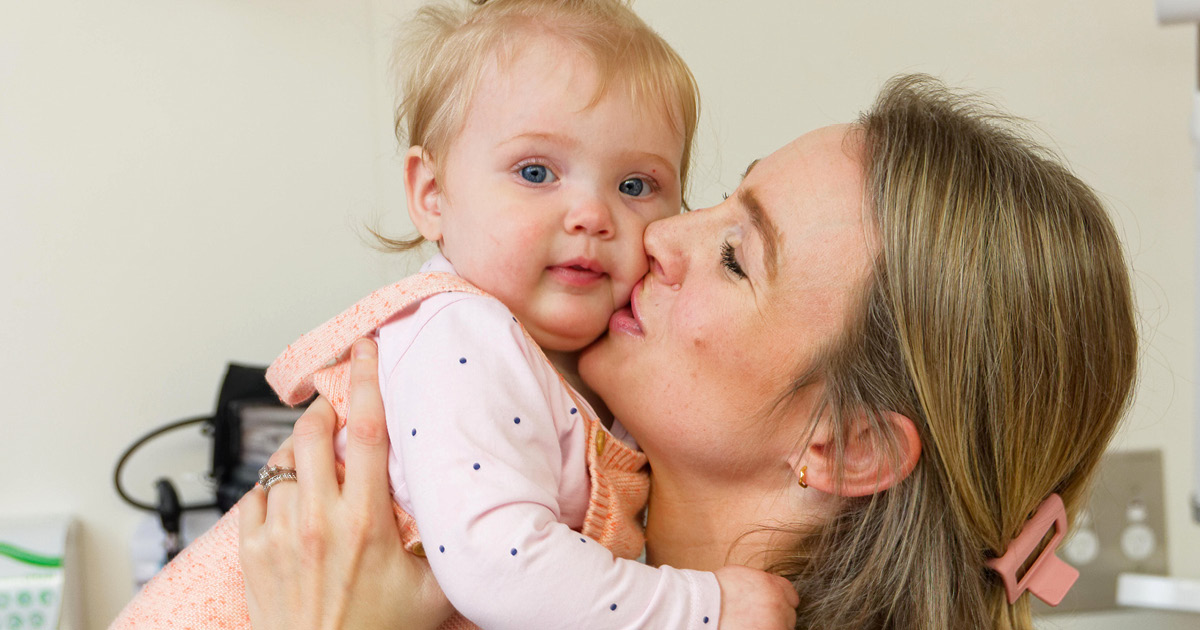
Prevention of respiratory syncytial virus (RSV) is now a real possibility thanks to the rollout of an immunisation program backed by a decade’s worth of epidemiological research led by The Kids Research Institute Australia.
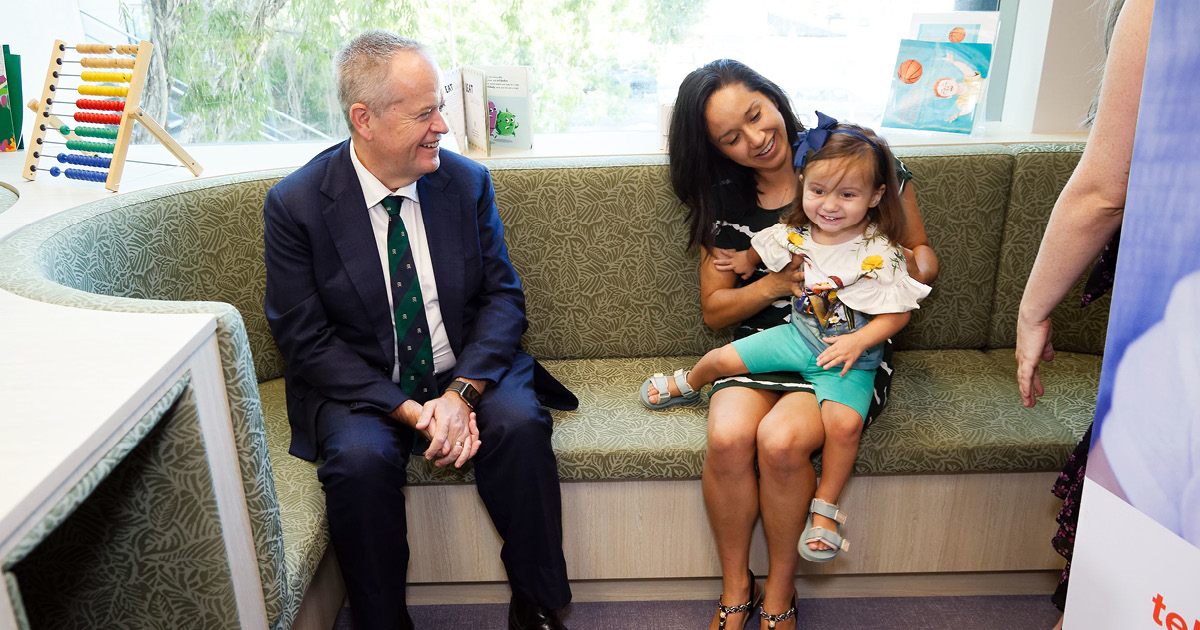
A world-first program for babies with differences in their social and communication skills is aiming to help parents and caregivers better understand the different ways their child communicates.
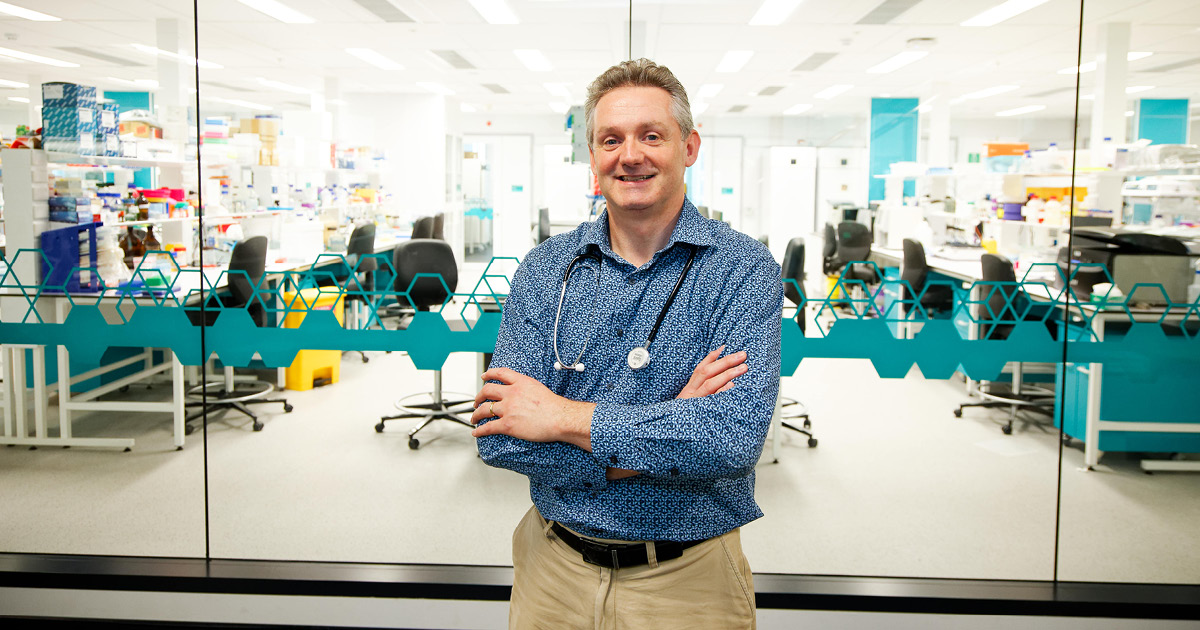
Australian children diagnosed with a brain tumour now have a better chance of accessing the best treatment for their disease thanks to a trans-Tasman collaboration spearheaded by The Kids Research Institute Australia cancer researcher Professor Nick Gottardo.
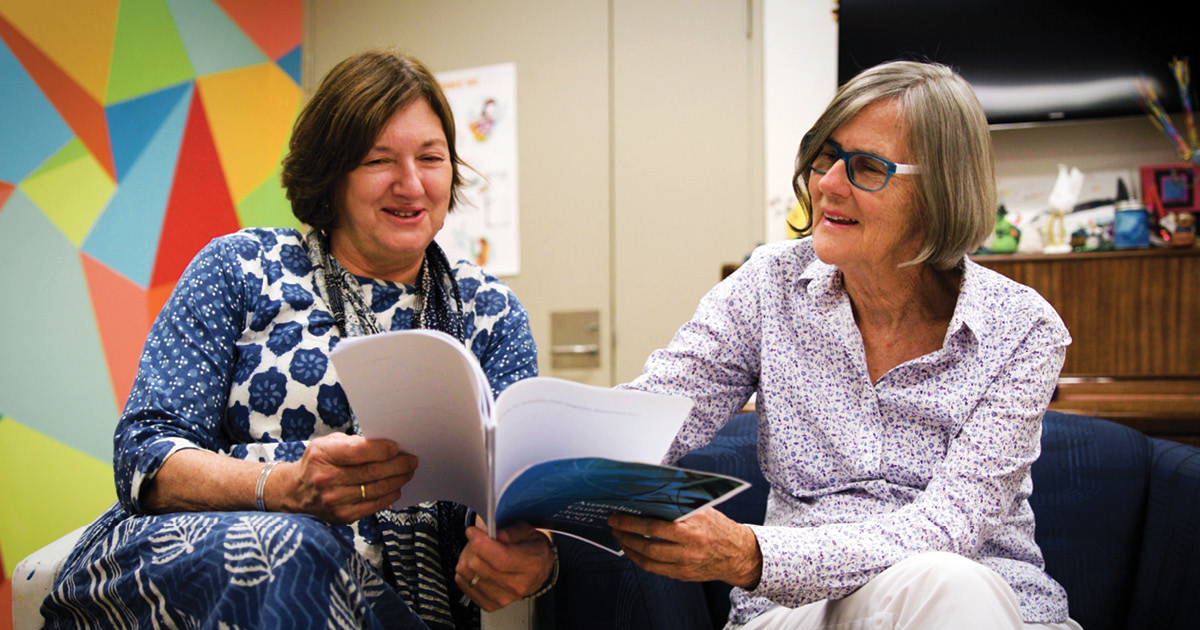
A website providing the latest research and resources on Fetal Alcohol Spectrum Disorder (FASD) is helping parents, educators, health professionals and policy makers navigate the complexities of the neurodevelopmental impairment condition.
Amniotic epithelial cells are fetal-derived stem cells, capable of differentiating into all three germ layers, including mature epithelial cell populations. Here, we hypothesised that the amniotic epithelium might serve as a surrogate tissue source for investigating transcriptional profiles in the respiratory epithelium of newborns.