
Search
Neonatal sepsis-induced cardiovascular dysfunction includes impaired myocardial function (which may be systolic and/or diastolic) and vasoregulatory failure (which may lead to vasodilation or vasoconstriction). The haemodynamic response in neonatal sepsis may therefore be hyperdynamic or hypodynamic, and the underlying pathophysiological mechanisms are heterogenous.
The everyday use of plastic products exposes us to plastic-associated chemicals (PACs), which have been associated with risks to human health. We present the results of the Plastic Exposure Reduction Transforms Health Trial, with an observational cohort of 211 Australian participants and a 7-day pilot randomized controlled trial in 60 participants. Intervention groups received combinations of plastic-free kitchenware, low-plastic personal-care products and food sourced from more than 100 producers that minimized all plastic touchpoints from paddock to plate, while the control group received no intervention.
A wet cough in a child for more than four weeks could indicate infection in the lungs. The wet cough is caused by mucus in the airway. The mucus becomes infected with bacteria and causes airway inflammation that can progress to permanent lung damage known as bronchiectasis.
In a sunny country such as Australia, it’s important to identify how to achieve the right amount of sun exposure for good health. We need to be able to harness the benefits of vitamin D and sunlight while remaining protected from the proven dangers of too much UV radiation.
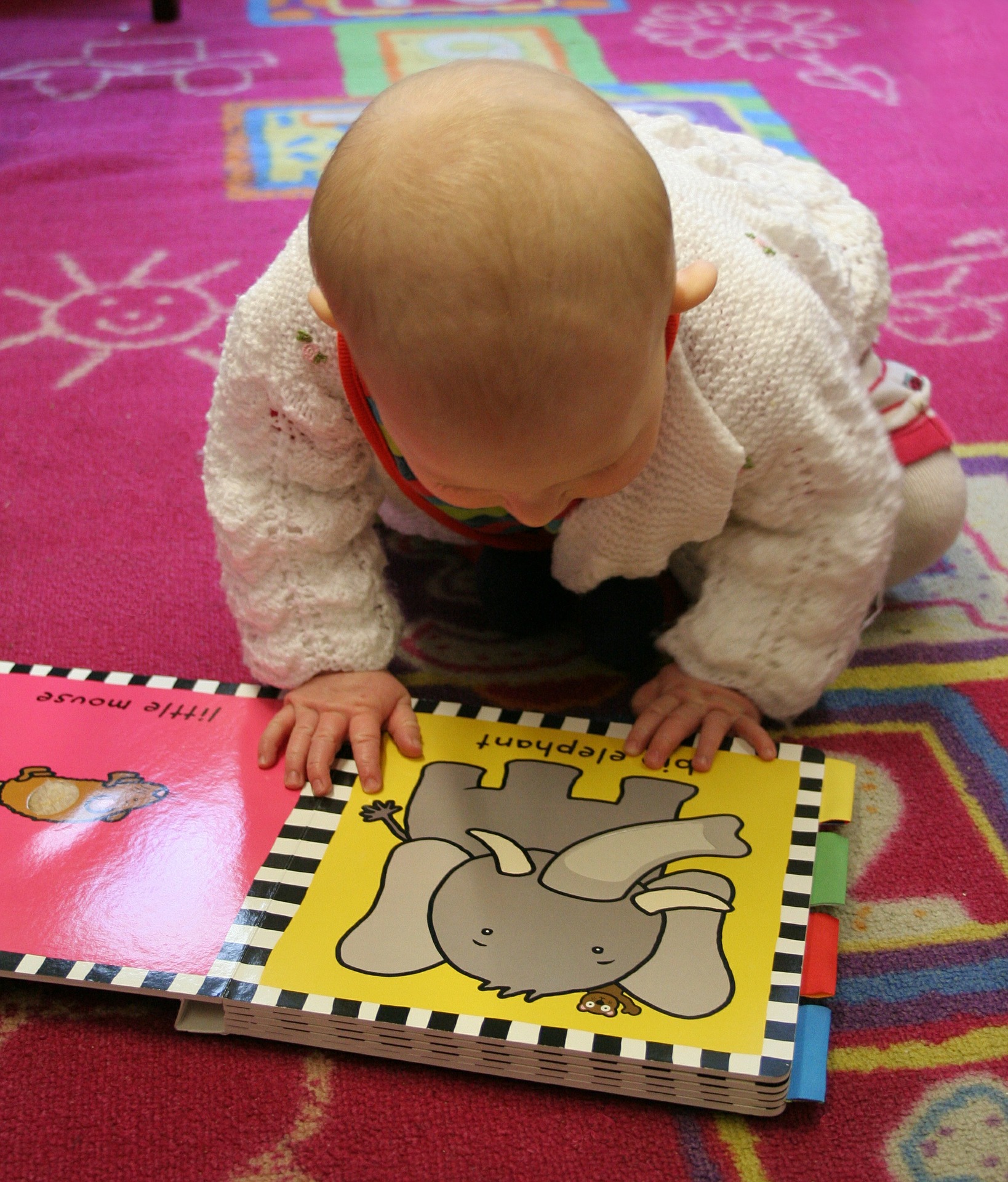
Measles is a highly contagious infectious disease that can cause severe, long-term complications in children.
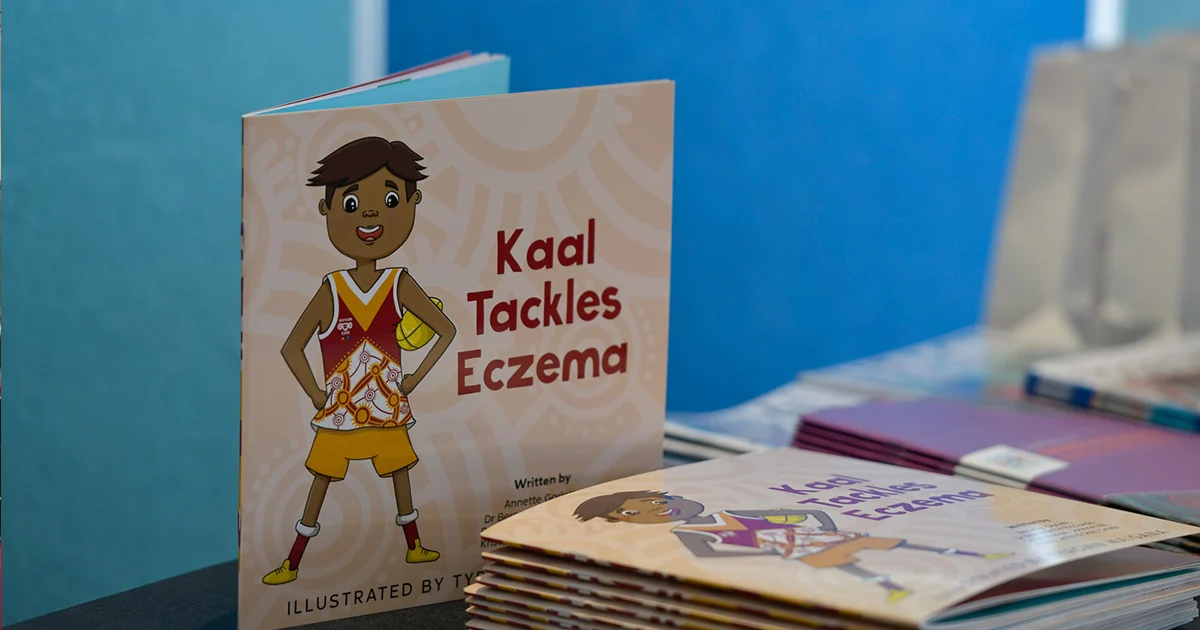
In close partnership with Aboriginal Elders and community members in Western Australia's south-west, we created ‘Kaal Tackles Eczema’, a children’s book to help Aboriginal families manage eczema. Our research showed a high prevalence and need for culturally relevant resources. The book uses Noongar language and art to educate and reduce infections, and is available online and in schools.
Down syndrome, also known as Trisomy 21, is one of the most common chromosome abnormalities in humans. It occurs when a child's cells end up with 47 chromosomes instead of the usual 46. Down syndrome causes intellectual disability and other physical and learning challenges.
Anaphylaxis is rapid onset severe allergic reaction to an allergen. These allergens are most commonly food, insects, or medication. Anaphylactic reactions are serious and can be life-threatening.
Transgender is a term that includes people whose gender identity, gender expression, or behavior does not conform to conventional gender notions of male or female.
Children with early-stage (pre-symptomatic) type 1 diabetes are currently identified primarily via research-based screening programmes in Australia. Once identified, families live with the knowledge that their child has an increased chance of developing symptomatic, lifelong, insulin-requiring type 1 diabetes but have no specific clinical pathway available to them in Western Australia for accessing tailored support or education. This project aimed to co-design a new clinical pathway to address this unmet need.