
Search
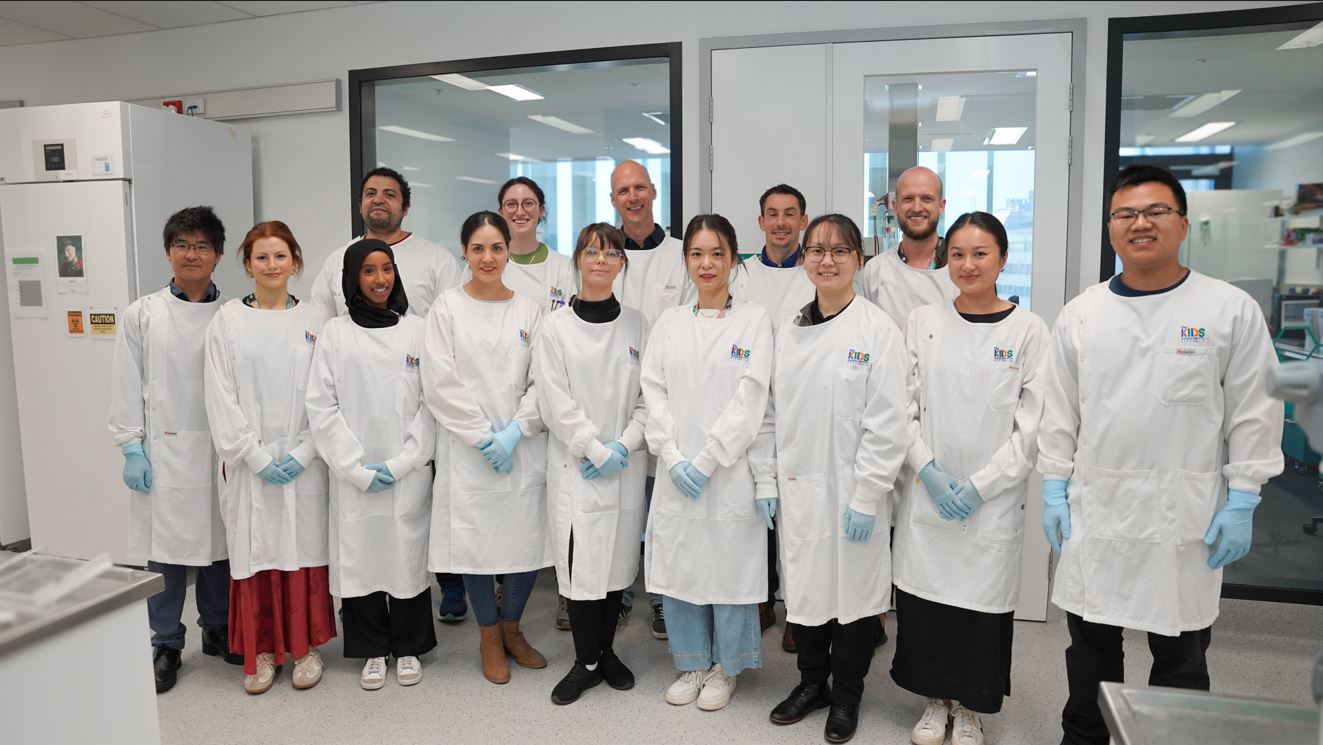
We aim to discover and develop safer and more effective treatments by doing inventive and rigorous research to improve outcomes for kids with cancer.
There is a strong theoretical rationale for combining checkpoint blockade with cytotoxic chemotherapy in pleural mesothelioma and other cancers.
Burn injuries are common and often life-threatening trauma. With this trauma comes an interruption of normal hemostasis, with distinct impacts on platelets.
Introduction Grades 2 and 3 gliomas (G2/3 gliomas), when combined, are the second largest group of malignant brain tumours in adults. The outcomes for G2/3 gliomas at progression approach the dismal outcomes for glioblastoma (GBM), yet there is a paucity of trials for Australian patients with relapsed G2/3 gliomas compared with patients with GBM.
We present the case of a prepubescent man of African descent who developed a spitzoid melanocytic proliferation showing evidence of a novel promoter hijacking ALK-C2orf42 rearrangement, with atypical histology, clinically apparent metastatic disease, and abnormal cytogenetic findings, representing a rare genuine case of "Spitz melanoma of childhood."
Immunotherapy has revolutionised the treatment of cancers by exploiting the immune system to eliminate tumour cells. Despite the impressive response in a proportion of patients, clinical benefit has been limited thus far.
Both tumour suppressive and oncogenic functions have been reported for dual-specificity tyrosine phosphorylation-regulated kinase 1A (DYRK1A). Herein, we performed a detailed investigation to delineate the role of DYRK1A in glioblastoma. Our phosphoproteomic and mechanistic studies show that DYRK1A induces degradation of cyclin B by phosphorylating CDC23, which is necessary for the function of the anaphase-promoting complex, a ubiquitin ligase that degrades mitotic proteins.
Surgical resection of cancer remains the frontline therapy for millions of patients annually, but post-operative recurrence is common, with a relapse rate of around 45% for non-small cell lung cancer. The tumour draining lymph nodes (dLN) are resected at the time of surgery for staging purposes, and this cannot be a null event for patient survival and future response to immune checkpoint blockade treatment. This project investigates cancer surgery, lymphadenectomy, onset of metastatic disease, and response to immunotherapy in a novel model that closely reflects the clinical setting. In a murine metastatic lung cancer model, primary subcutaneous tumours were resected with associated dLNs remaining intact, completely resected or partially resected.
Mesothelioma is a cancer that typically originates in the pleura of the lungs. It rapidly invades the surrounding tissues, causing pain and shortness of breath. We compared cell lines injected either subcutaneously or intrapleurally and found that only the latter resulted in invasive and rapid growth.
Immune checkpoint therapy (ICT) results in durable responses in individuals with some cancers, but not all patients respond to treatment. ICT improves CD8+ cytotoxic T lymphocyte (CTL) function, but changes in tumor antigen-specific CTLs post-ICT that correlate with successful responses have not been well characterized. Here, we studied murine tumor models with dichotomous responses to ICT.