
Search
The school environment profoundly influences children's development, behaviours, and attitudes. This chapter delves into the relationship between school design and architecture, and their impact on bullying, victimisation, inclusivity, and student well-being. Research underscores the significant impact of school design on student social dynamics, advocating for collaborative efforts among stakeholders to craft effective anti-bullying policies.
Growing up in socioeconomic disadvantage increases risk of peer bullying at school. Both socioeconomic status and involvement in bullying are predictive of a range of adverse developmental outcomes. However, neither (a) the mechanisms whereby disadvantage increases bullying risk nor (b) the developmental outcomes for which bullying may mediate disadvantage are clear.
Cyberbullying is a form of online harassment, where the bullying is carried out through the use of modern technology.
Even in the safety of their home, there are many risky places a child or teenager can visit online. This can be due to the content they see, who they come into contact with, and personal information they share.
Previous studies have shown that when young people witness bullying, perceived social norms of their peer group affect their behavior. However, few studies have examined the specificity of norm misperception (i.e., overestimation of peer antisocial responses and the underestimation of prosocial responses relative to the objective group norm) on specific witness responses (joining in, bystanding or active defending).

Honorary Research Associate

Most children are capable of bullying behaviour at some time, and it’s our job as parents to discourage this behaviour as soon as it appears.
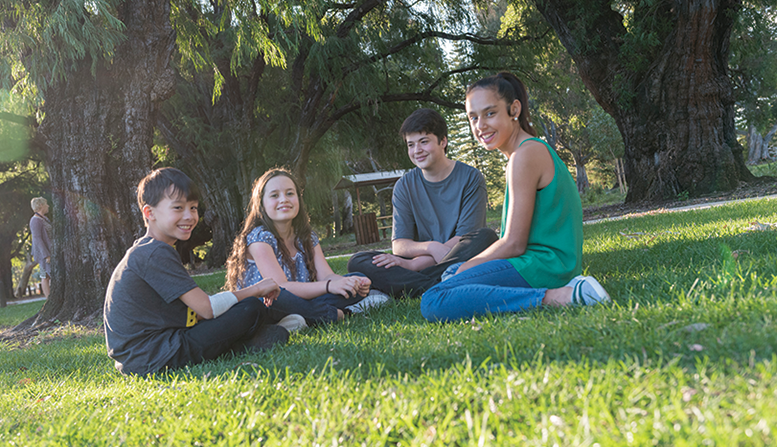
Flat out trying hard to keep up with the ever-changing threats from cyberbullying, The Kids Research Institute Australia counts itself fortunate to have youth on its side.
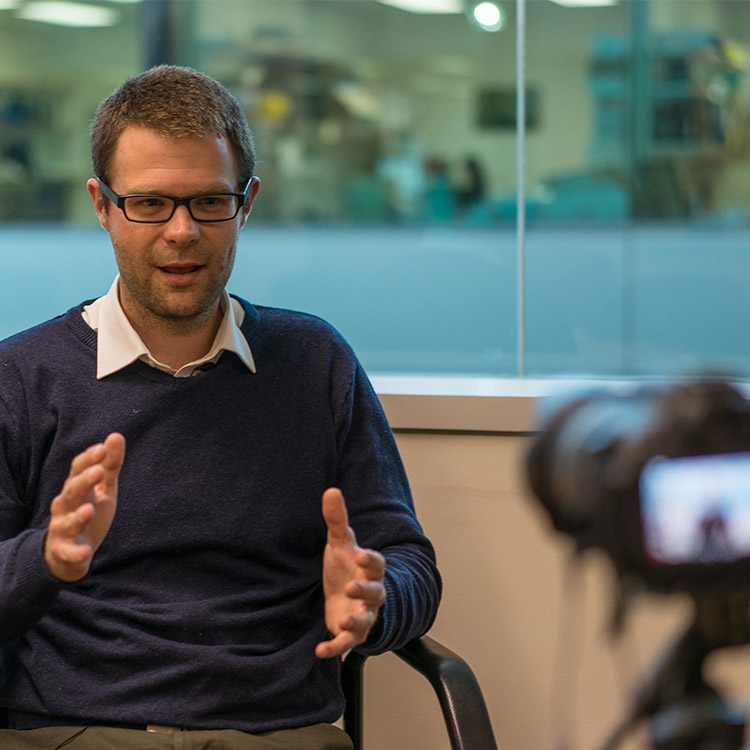
The Kids Research Institute Australia has two researchers and an innovative science engagement initiative as finalists in the 2017 Premier’s Science Awards.
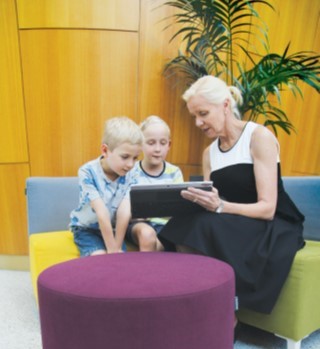
Professor Donna Cross and her team at The Kids Research Institute Australia have challenged and overturned damaging attitudes that saw bullying tolerated in childhood.