
Search
We present lung virome data recovered through shotgun metagenomics in bronchoalveolar lavage fluid from an infant with cystic fibrosis, who tested positive for Stenotrophomonas maltophilia infection. Using a bioinformatic pipeline for virus characterization in shotgun metagenomic data, we identified five viral contigs representing Pseudomonas phages classified as Caudoviricetes.
During exacerbations, when symptom and treatment burden are increased, individuals with cystic fibrosis (CF) are likely to prefer airway clearance techniques (ACTs) that require minimal effort. Therefore, in adults with CF who were hospitalised with an exacerbation, we sought to compare the effect of the MetaNeb with usual ACTs on respiratory function and expectorated sputum.
Despite recent improvements in treatment modalities for cystic fibrosis (CF), there is currently limited evidence and a lack of consensus regarding optimal treatment strategies for the different aspects of CF, including pulmonary exacerbations (PEx). We aimed to establish a prospective cohort of people with CF (pwCF) to evaluate alternative approaches to managing CF in the era of modulator therapies.
Functional studies of how early-life interventions shape the airway microbiome remain scarce. Here, we performed metagenomic sequencing of 704 longitudinal nasal swabs from infants with and without cystic fibrosis (CF) to construct and characterize a non-redundant gene atlas of the infant nasal microbiome. We aimed to determine how the nasal microbiome is perturbed by early therapies, as CF is commonly treated with inhaled hypertonic saline to improve mucociliary clearance.

Honorary Research Associate
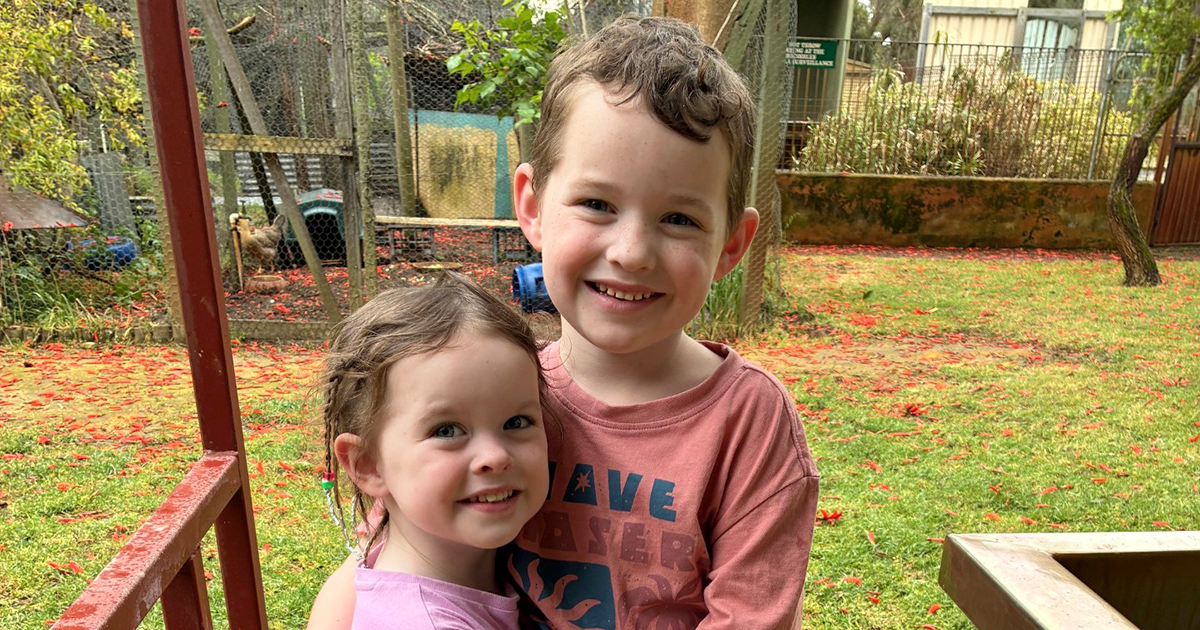
For decades, cystic fibrosis (CF) meant a life shaped by daily treatments, frequent hospitalisations, and an uncertain future. The arrival of CFTR modulators has changed that picture dramatically, and researchers at the Wal-yan Respiratory Research Centre now want to understand the bigger picture.
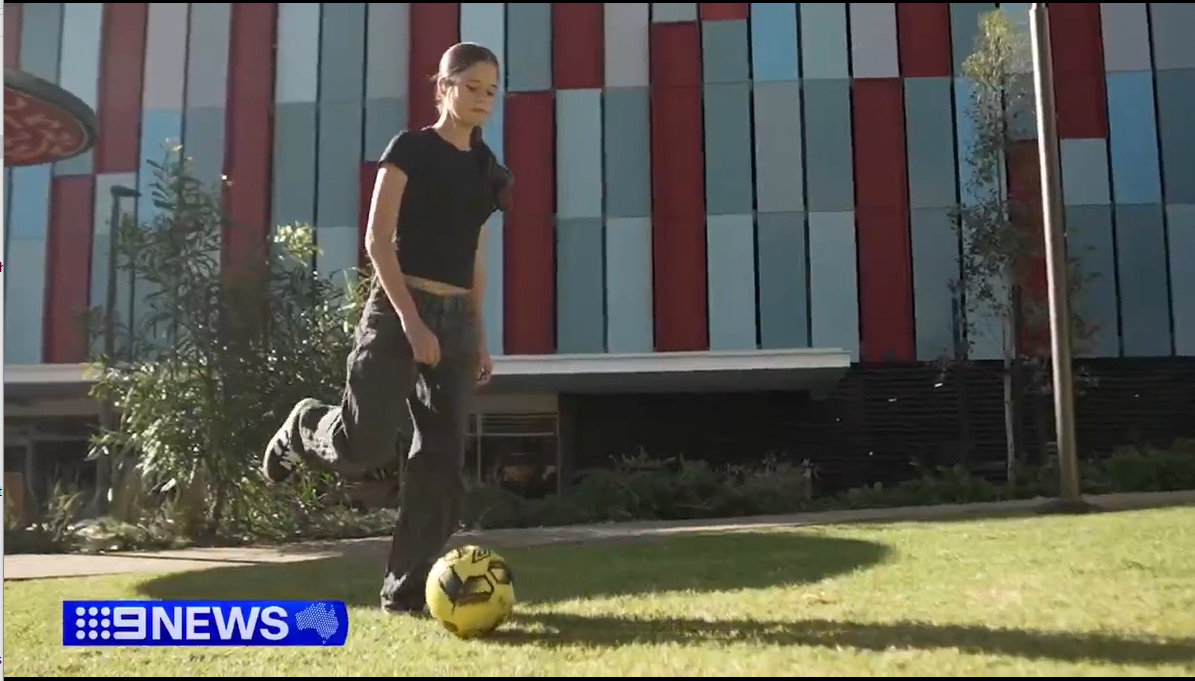
Children with cystic fibrosis will be included in the next phase of a clinical trial of a promising new treatment pioneered in Western Australia aimed at boosting their immune responses to infections. Originally developed by researchers at The Kids Research Institute Australia and Perth Children’s Hospital.

Resonance Health Ltd is pleased to announce that it has entered into a licence agreement with The Kids Research Institute Australia and the Erasmus University Medical Centre.

The Kids researchers have been awarded over $3.4 million for a new trial to pioneer improved ways for managing cystic fibrosis (‘CF’).

The Kids Research Institute Australia researchers have been awarded more than $10 million in research funding from the National Health and Medical Research Council (NHMRC).