
Search
SARS-CoV-2 infection is associated with a significant risk of hospitalisation, death, and prolonged impact on quality of life. Evaluation of new treatment options and optimising therapeutic management of people hospitalised with SARS-CoV-2 infection remains essential, but rapid changes in pandemic conditions and potential therapies have limited the utility of traditional approaches to randomised controlled trials.
Health care workers (HCWs) faced an increased risk of Coronavirus Disease 2019 (COVID-19). Australia’s COVID-19 vaccine rollout commenced in February 2021 to priority groups, including HCWs. Given their increased risk, as well as influence on patients’ vaccine uptake, it was important that HCWs had a positive COVID-19 vaccination experience, as well as trusting the vaccine safety and efficacy data.
Antimicrobials are the most commonly prescribed drug class in children. Overuse through inappropriate prescribing is a key driver of antimicrobial resistance and is recognized as one of the top 10 threats to global health by the World Health Organization.
Seasonal inactivated influenza vaccine (IIV) is routinely recommended during pregnancy to protect both mothers and infants from complications following influenza infection. While previous studies have evaluated the risk of major structural birth defects in infants associated with prenatal administration of monovalent pandemic IIV, fewer studies have evaluated the risk associated with prenatal seasonal IIV.
During the COVID-19 pandemic, and particularly 2020-2021, young adults were often significant transmitters of the virus. Prior to the availability of vaccines for young adults, we sought to understand what would contribute to their uptake of a COVID-19 vaccine and how government policy might intervene. We undertook qualitative interviews between February and April 2021 with 19 participants (aged 18-29) in Perth, Western Australia.
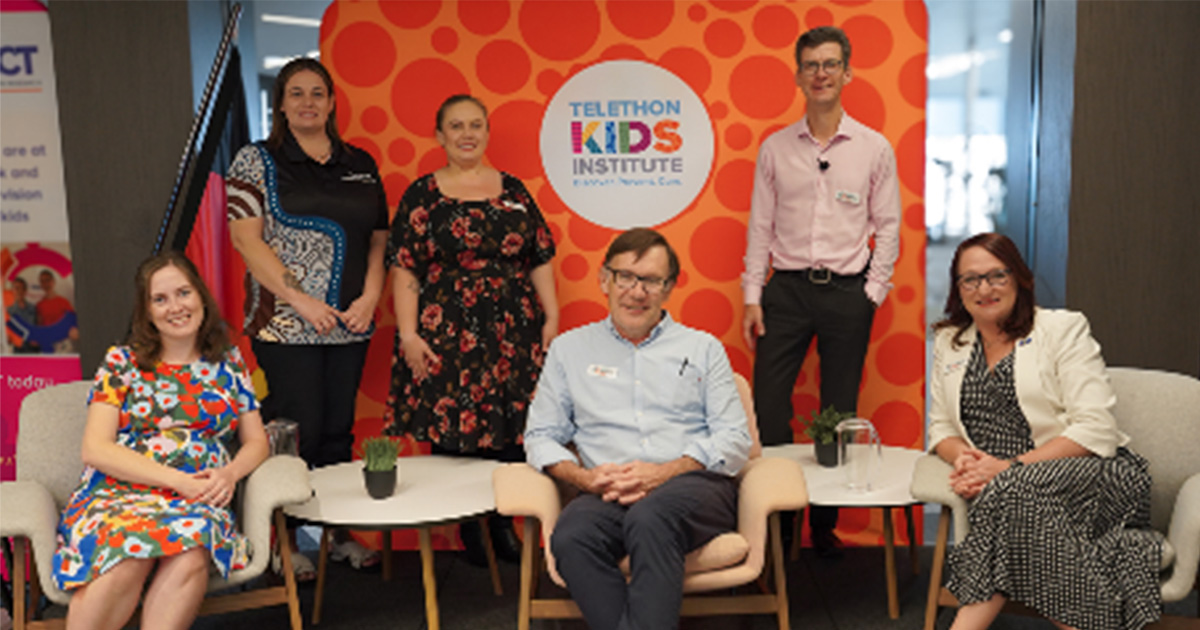
STAMP RSV is a multifaceted program of work with the single focus to prepare the community for the uptake of new and emerging RSV immunisation strategies by providing the evidence to inform public health policy.
This tool is designed to help current and future parents and caregivers as well as health care providers. It is currently based on the 2026 Western Australian RSV immunisation program.
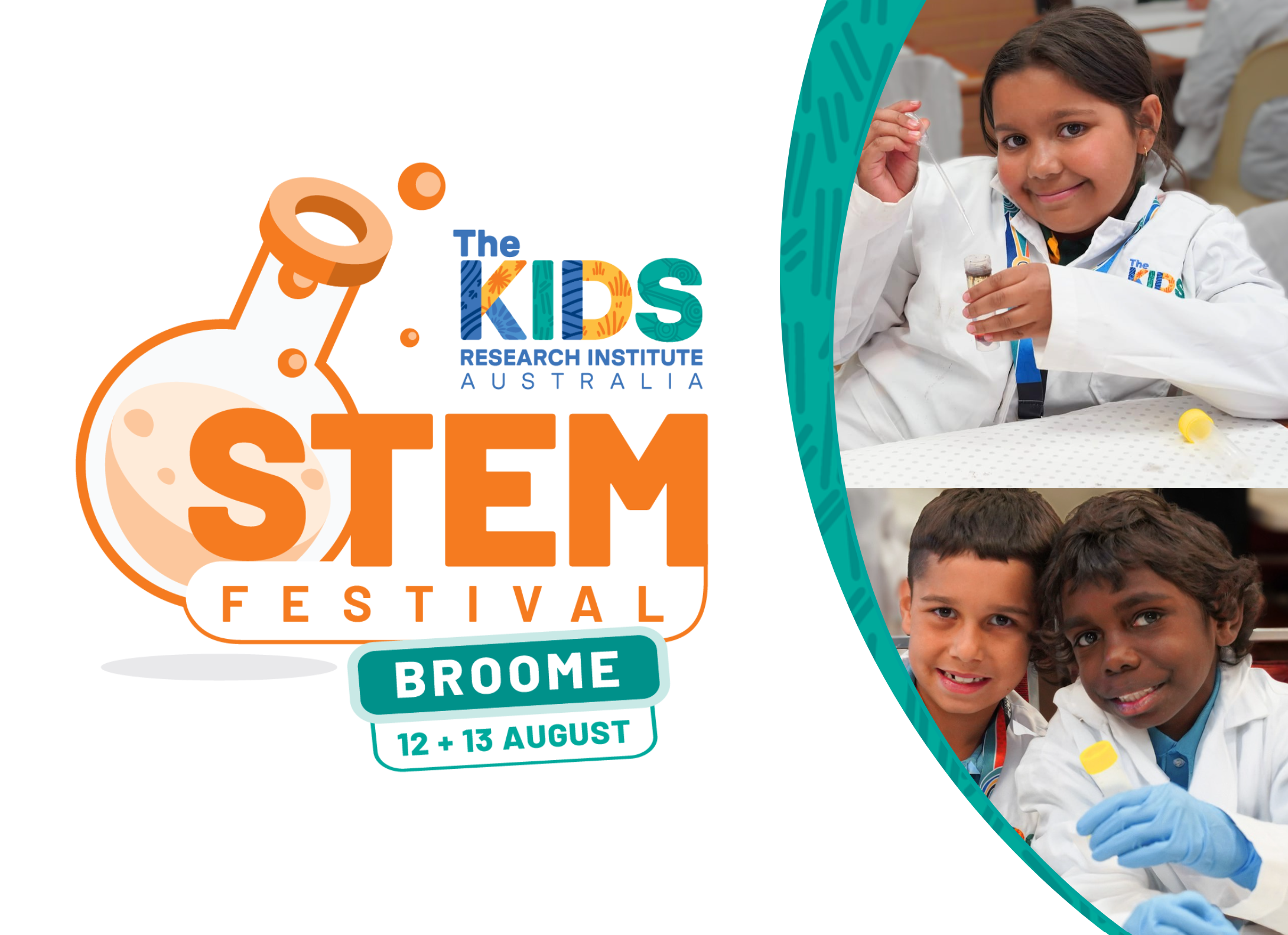
Register now and experience an awesome adventure into the world of Science, Technology, Engineering and Mathematics this August!
Embark on a linguistic journey with KalyaKoorl’s tailor-made Noongar Language Programs.