
Search
UVR or sunlight exposure may be an effective means of suppressing the development of obesity and MetS, through mechanisms that are independent of vitamin D
This genome-wide association study (GWAS) utilises data from the Western Australian Pregnancy Cohort (Raine) Study for 25-hydroxyvitamin D (25(OH)D) levels...
This paper examined dose-response relationships between ambient UVR levels and NMSC incidence at the population level.
The aim of this study was to investigate the link between vitamin D levels in the blood and short-sightedness in young adults.
This paper is a review of potential novel therapeutic targets or tools for the treatment of asthma and COPD.
This paper examined the link between UV exposure and vitamin D production in young children to determine how long it takes for sun exposure to affect serum...
This longitudinal, prospective study investigated the association between maternal vitamin D status and peak bone mass of offspring in 341 mother and...
Autism spectrum disorder (ASD) is a group of neurodevelopmental disorders which are more common in males. The 'prenatal sex steroid' hypothesis links excessive sex-steroid exposure during foetal life with the behavioural differences observed in ASD. However, the reason why sex steroid exposure may be excessive remains unclear. Epidemiological studies have identified several environmental risk factors associated with ASD, including developmental vitamin D (DVD) deficiency.

Head, Inflammation
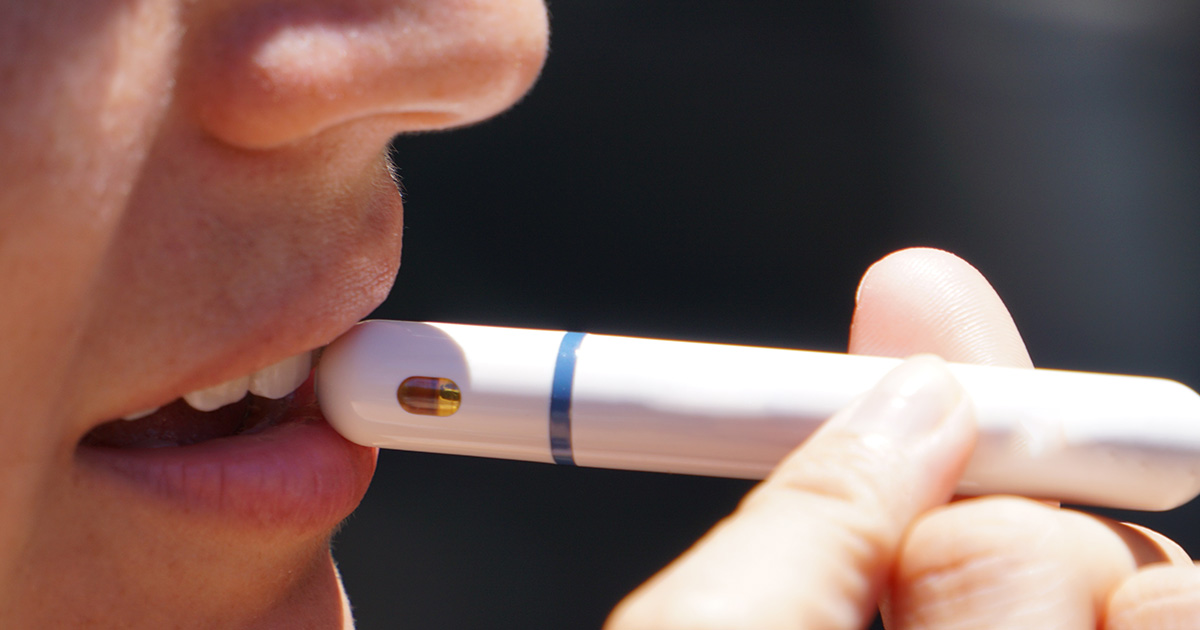
Researchers from The Kids Research Institute Australia and Cancer Council WA will team up on two projects aimed at identifying the most effective public health messaging for young people around SunSmart behaviours and how to stop vaping.