
Search
Recent research suggests that maternal folic acid supplementation is associated with a reduced risk of childhood brain tumors (CBT); polymorphisms in folate...

Honorary Research Associate

Feilman Fellow; Head, Precision Health Research and Head, Translational Intelligence
Honorary Emeritus Fellow
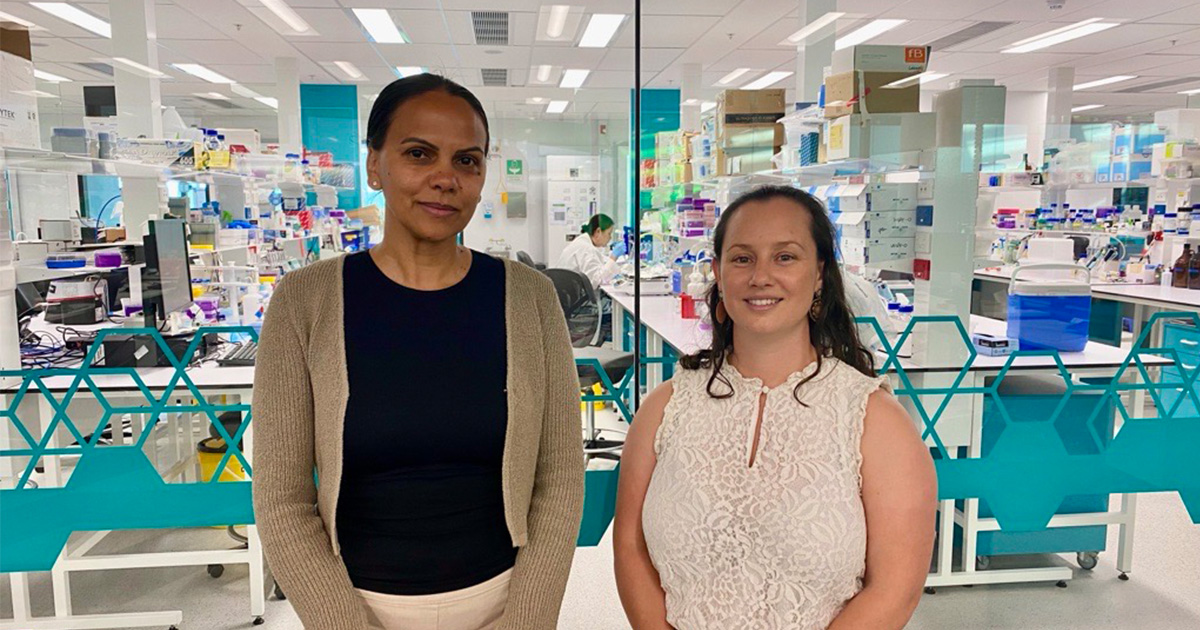
A review led by the First Nations Childhood Cancer team at The Kids Research Institute Australia has highlighted the urgent need for Indigenous-specific studies focused on cancer outcomes, survivorship and equity.
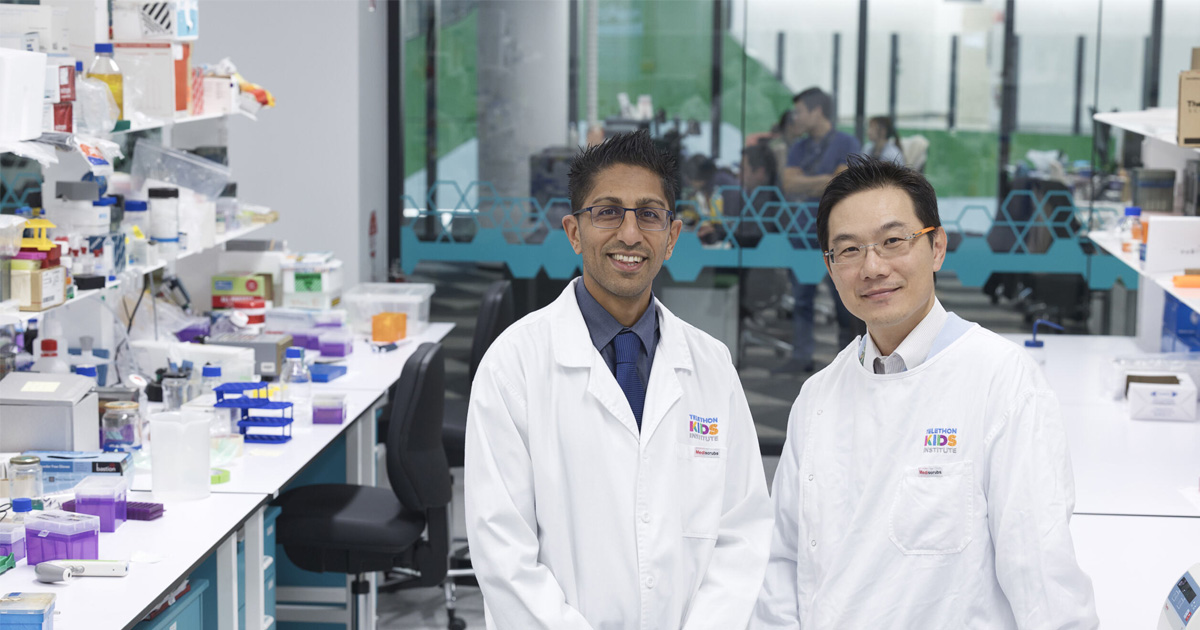
A groundbreaking study from cancer researchers at The Kids Research Institute Australia has identified a promising new therapeutic strategy for children battling the most common childhood cancer – B-cell acute lymphoblastic leukaemia.
Cold atmospheric plasma (CAP) is a safe and effective alternative to radiotherapy for cancer treatment. Its anticancer effects are attributed to increased intracellular reactive oxygen species (ROS). Glutathione, a key antioxidant derived from glutamine, is critical for cell proliferation. This study investigated whether CAP-induced ROS elevation results from reduced glutamine-glutathione conversion and elucidates the underlying mechanisms.
Parents of children with acute lymphoblastic leukaemia (ALL) experience emotional distress throughout their child's treatment course. This study describes the psychological experience of Australian and New Zealand parents of children diagnosed with ALL.
Childhood renal masses comprise a heterogeneous group of conditions that have a wide range of presentations. This review outlines an approach to the diagnostic work-up of childhood renal masses and discusses the most common presentations and treatments. Renal tumours make up 5% of childhood cancer in Australia, with Wilms tumour being the most common under age 10 years.
Acute lymphoblastic leukaemia (ALL) is the most common paediatric malignancy and remains one of the most common causes of cancer-related death in children and adolescents. Five-year overall survival rates now exceed 90% with current multidrug chemotherapeutic regimens.