
Search

As we count down to the end of the long summer holidays, it’s natural for children to feel anxious about what the new school year will bring.
The effect of breast-feeding on the development of allergic disease is uncertain
Elucidation of early life factors is critical to understand the development of allergic diseases, especially those manifesting in early life such as food allerg
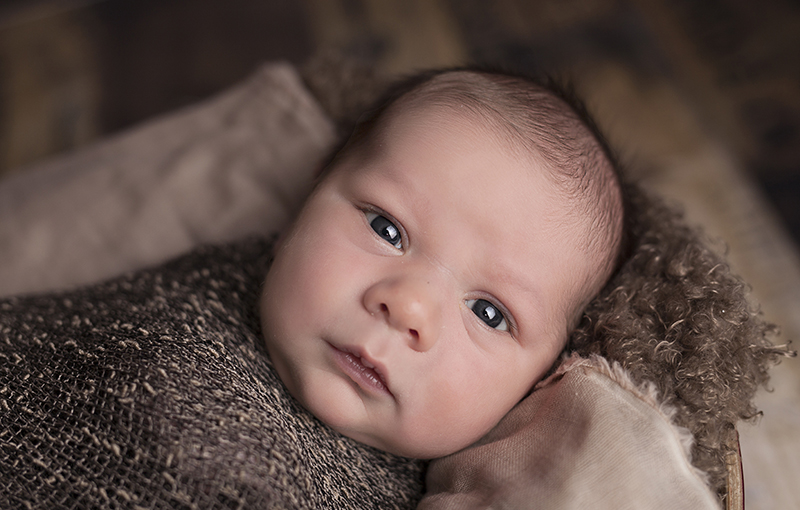
Up to three out of every 100 babies develop cow's milk protein allergy (CMPA) in their first year of life – and this number appears to be on the rise
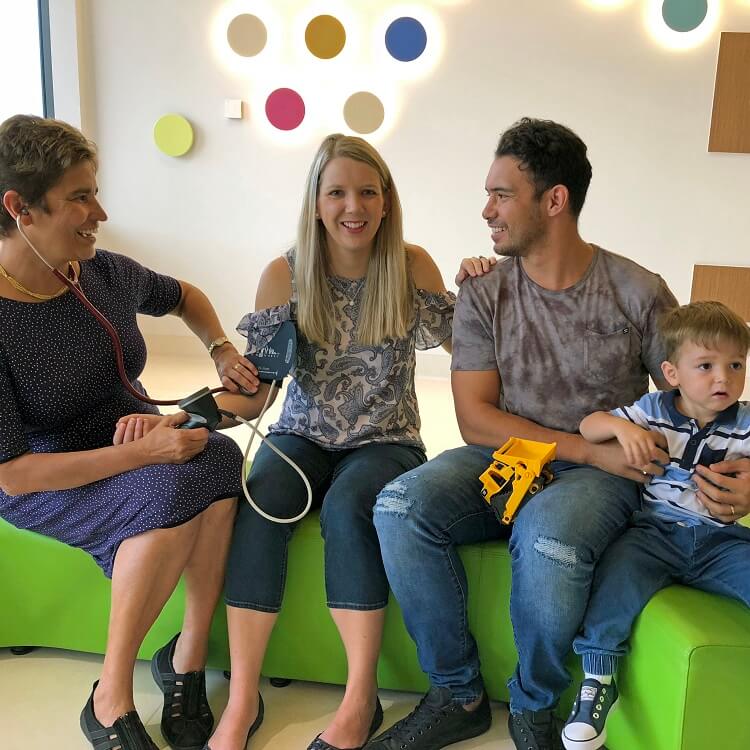
ORIGINS, a collaboration between The Kids and the Joondalup Health Campus, has achieved a major milestone – recruiting its 1000th family.
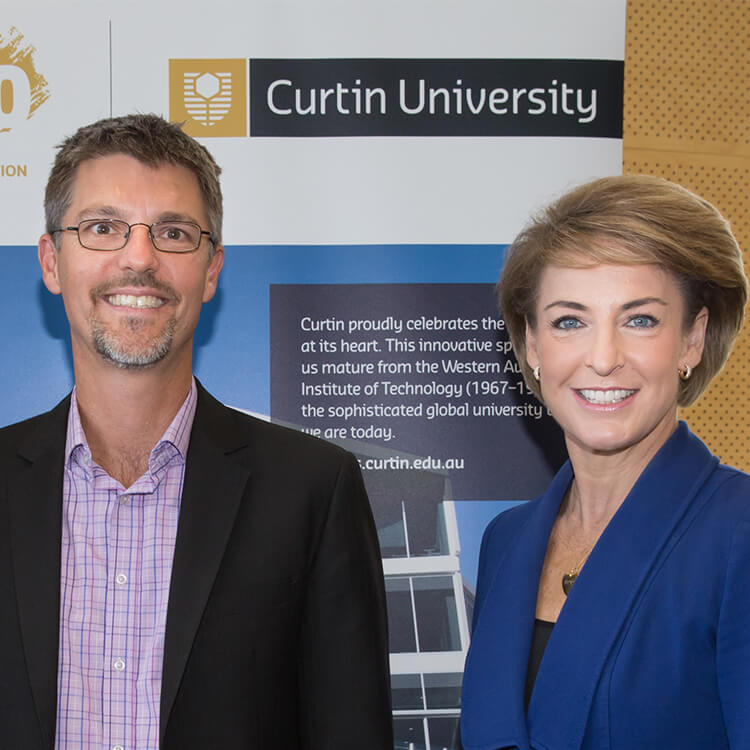
The Kids Research Institute Australia researchers have been awarded more than $8 million in prestigious project grants from the NHMRC.

Eight The Kids Research Institute Australia researchers are among those who have received grant funding from the Telethon-Perth Children’s Hospital Research Fund (TPCHRF).