
Search
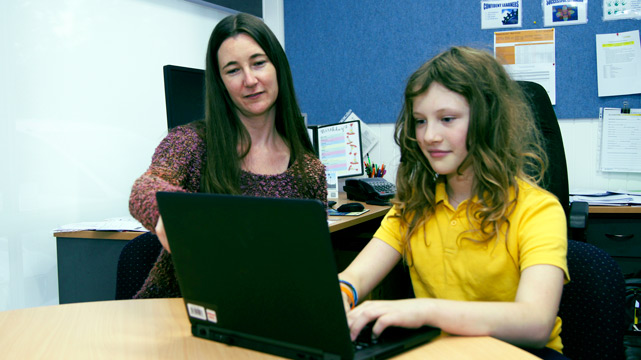
A team of researchers passionate about the social and emotional wellbeing of children have been refining a survey questionnaire.

Ethan recently took part in Belong, a study led by The Kids which aims to ensure deaf and hard of hearing kids have a happy & positive school experience
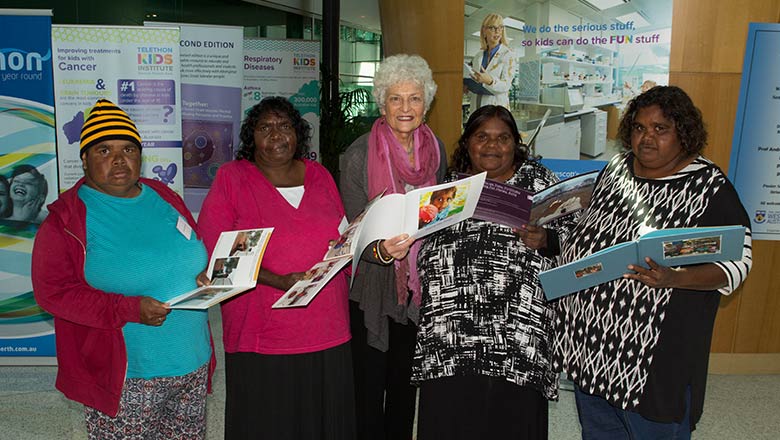
An NHMRC grant to develop a program to improve school outcomes in the Ngaanyatjarra lands has helped create books reflecting Aboriginal experiences.
A recent study from The Kids Research Institute Australia has revealed some interesting facts about just how important those school attendance days are.
This project aims to inform harm prevention and minimisation strategies by investigating outcomes and points for early intervention in young people with alcohol-related harm. Researchers will also compare outcomes between Aboriginal and non-Aboriginal youth.
The aim of the WEC is to help teachers, school leaders and policy makers better understand and support the wellbeing and engagement of their students.
The goals of the current study were to identify different trajectories of sadness from Grade 6 to 9 in Australian school students, and to explore the role that social support from school, teachers, friends and families play in supporting students’ mental health.
It has been well established that children's development at school entry is associated with their later academic achievement, but less is known about whether there is also an association with other measures of school success, such as students' social and emotional wellbeing.
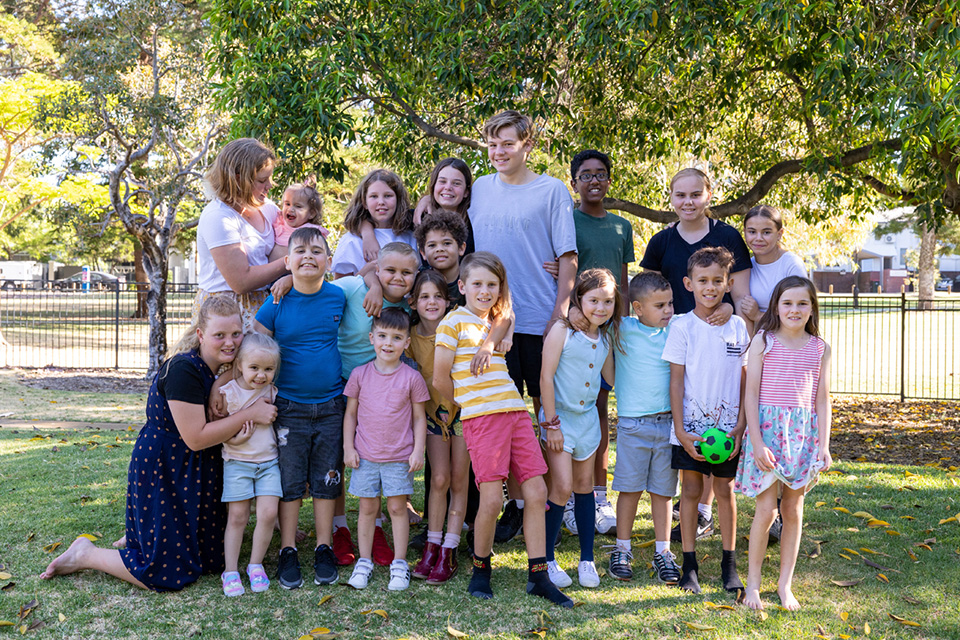
The Human Development and Community Wellbeing (HDCW) Team focuses on improving outcomes for children, family, and the community.
Psychological prevention programmes delivered in schools may reduce symptoms of depression. However, high-quality, large-scale trials are lacking.