
Search
Showing results for " buy cvv2, 【 Visit Amsiga.com 】 ojM3t2s., cc shop carding, gift card no vbv, www validcc UNt2"
The Kids Research Institute Australia is looking for healthy babies (born from 35 weeks of pregnancy onwards) to take part in an important study evaluating a new medication that may help prevent Respiratory Syncytial Virus (RSV) disease.
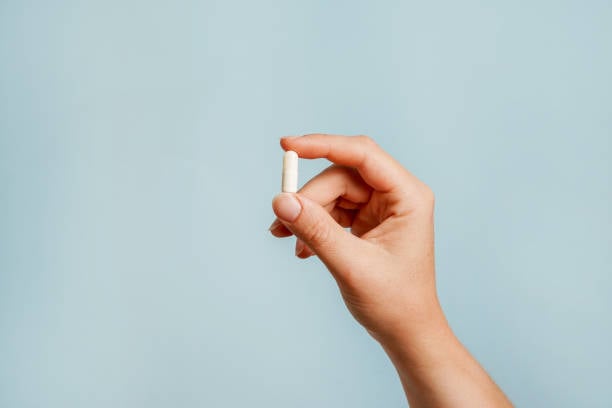
Evaluating the biological activity of a single dose of encapsulated oral semaglutide in healthy adults over a period of one week.
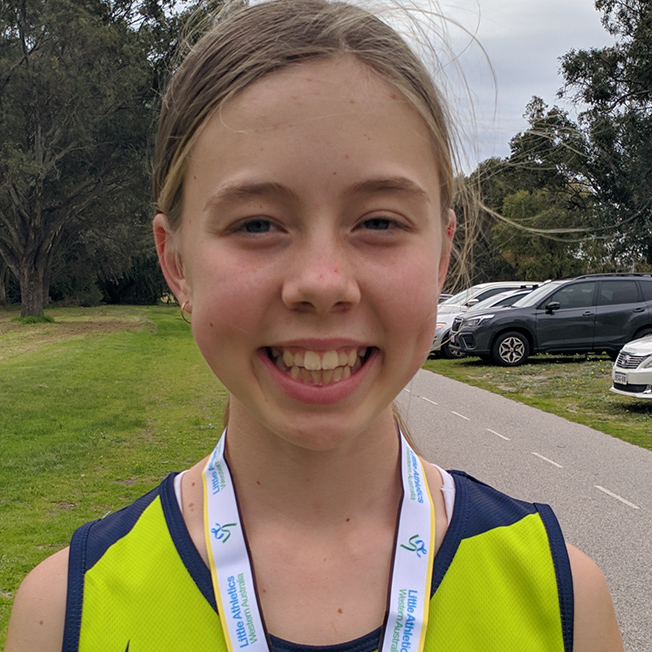
Big shout out to one of our regular research participants, Ashlyn, who goes to show that type 1 diabetes is no obstacle to achieving success in top-level sport.

Due to COVID-19, diabetes clinics across WA run by the Diabetes Service at Perth Children's Hospital are now using telehealth. We would like to take this opportunity to evaluate the use of telehealth for clinics.
We describe a case of an 8 year old girl with central precocious puberty
Learn how new technology is fast-tracking diagnoses for kids with rare diseases.
Compared developmental health or wellbeing outcomes for maltreated children placed in out-of-home care with those cared for in their home
This study aimed to determine if the rate of identification of young people at ultra-high risk for psychosis was associated with the level of social deprivation
Our aim was to examine the school performance of children with type 1 diabetes in comparison to their peers, exploring changes over time, and the impact of...
Evidence that fructose intake may modify blood pressure is generally limited to adult populations.