
Search
The skin is the largest and most visible organ of the human body. As such, skin infections can have a significant impact on overall health, social wellbeing and self-image.
Pneumococcal – a bacterial infection that can cause pneumonia and meningitis – is responsible for 1000s of hospital admissions in Australia each year, many of them children.
Healthy skin is important for maintaining overall physical and cultural health and wellbeing. However, remote-living Australian Aboriginal children contend with disproportionally high rates of Streptococcus pyogenes (Strep A) infected impetigo.
Monitoring how the incidence of influenza infections changes over time is important for quantifying the transmission dynamics and clinical severity of influenza. Infection incidence is difficult to measure directly, and hence, other quantities which are more amenable to surveillance are used to monitor trends in infection levels, with the implicit assumption that they correlate with infection incidence.
Scabies and related bacterial skin and soft tissue infections are highly prevalent in many tropical, low- and middle-income settings. These skin conditions contribute to higher healthcare costs and burdens on healthcare systems.
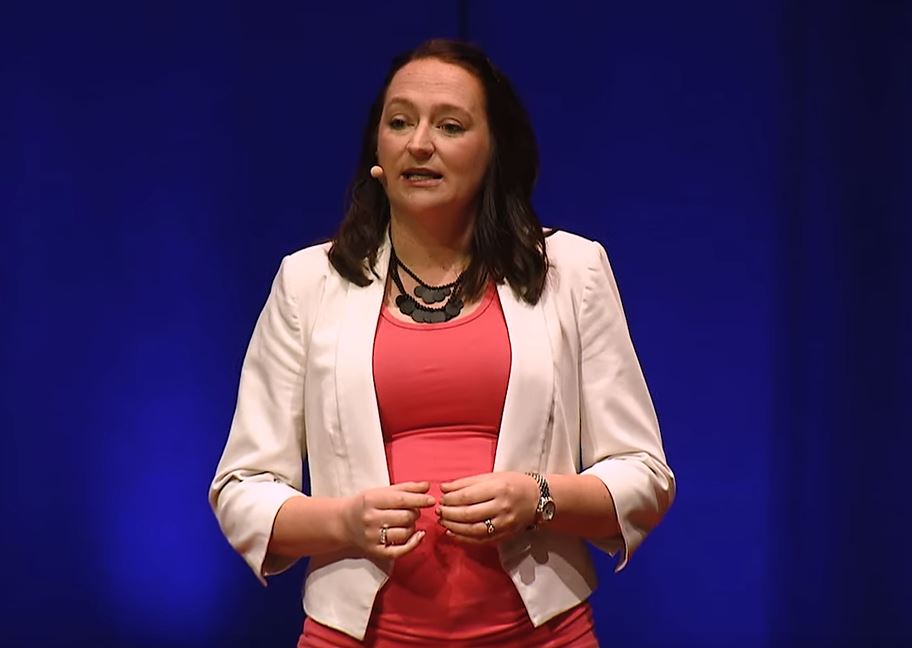
Dr Hannah Moore was one of WA’s brightest minds chosen to speak at TEDX Perth in November last year, presenting her insights into the power of data in fighting infectious diseases to a sold-out crowd at the Perth Concert Hall.
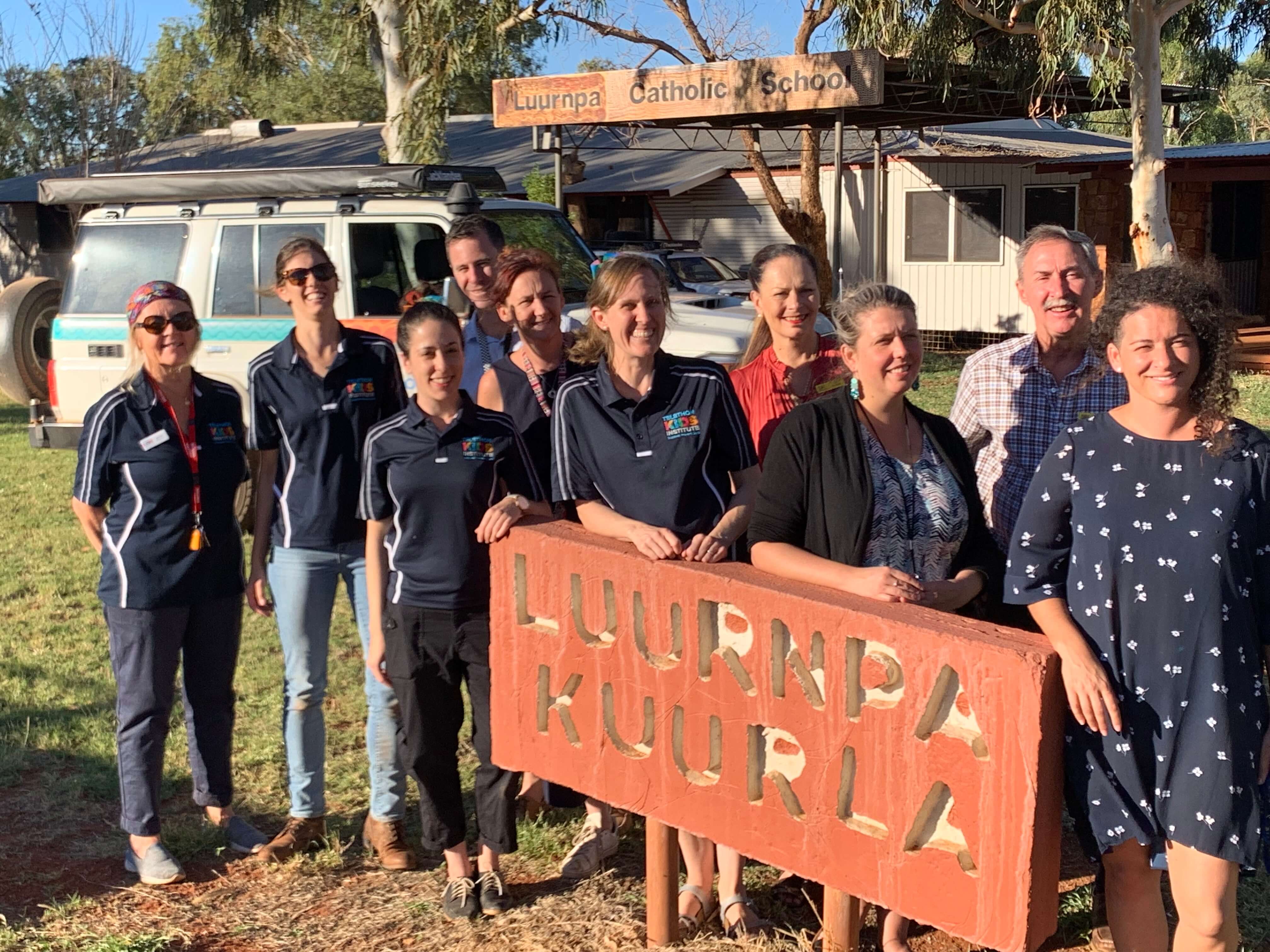
The The Kids Skin Health team has a busy six weeks ahead - visiting nine communities throughout the Kimberley region of WA as part of the first school surveillance activities for the SToP Trial.
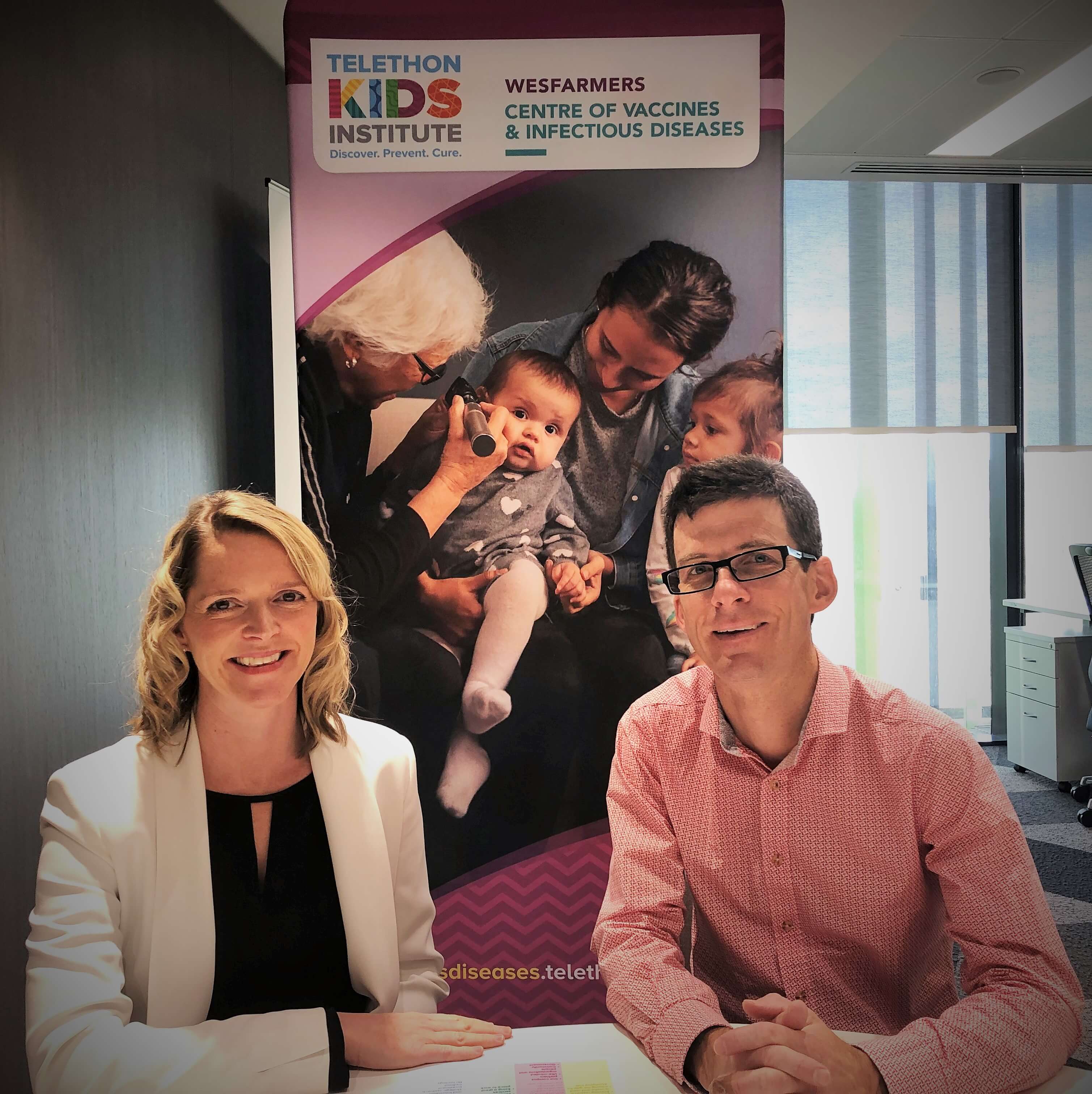
Dr Lea-Ann Kirkham and Dr Chris Blyth have been appointed as Co-Directors
Aboriginal mum and child
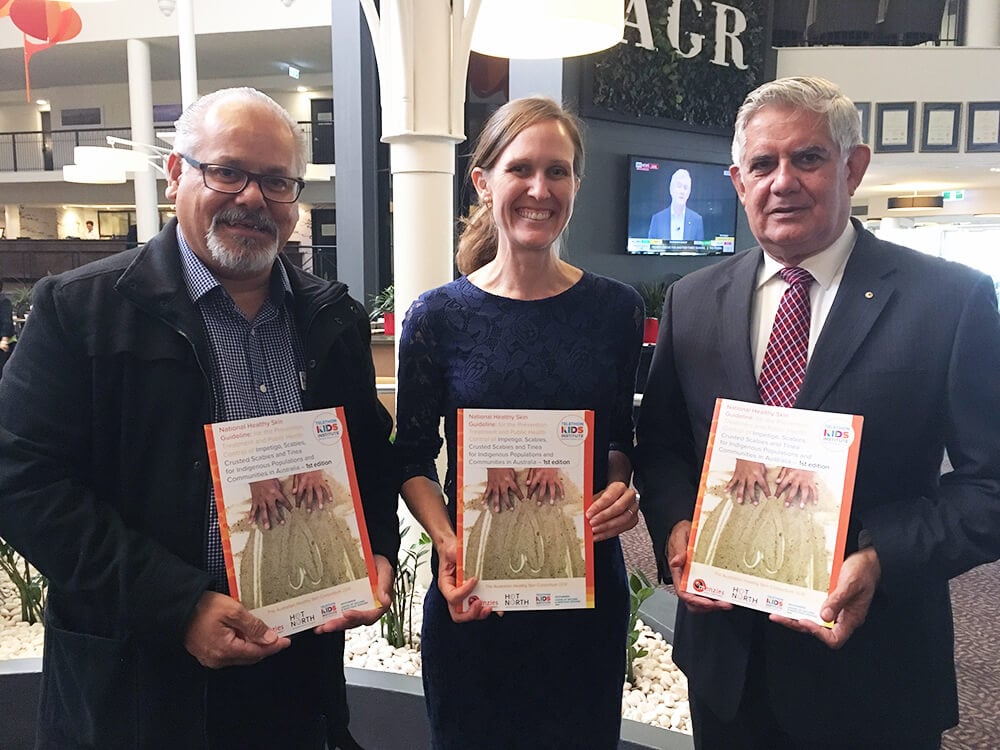
Researchers have developed the first National Healthy Skin Guideline to address record rates of skin infections in Australia’s Indigenous communities.