
Search
Showing results for " buy cvv2, 【 Visit Amsiga.com 】 ojM3t2s., cc shop carding, gift card no vbv, www validcc UNt2"
Physical activity is critical during the early years of life for a child’s health and development.
The Human Phenotype Ontology is a standardized vocabulary of phenotypic abnormalities used by researchers, clinicians, informaticians and electronic health record systems
In this study of healthy adults aged 50-85 and 18-24 years, SA3Ag elicited a rapid and robust immune response and was well tolerated, with no notable safety...
Disability in adults with low back pain (LBP) is associated with negative back pain beliefs (BPBs).
We found no statistically significant association between processed red meat density and risk of a first clinical diagnosis of central nervous system demyelination
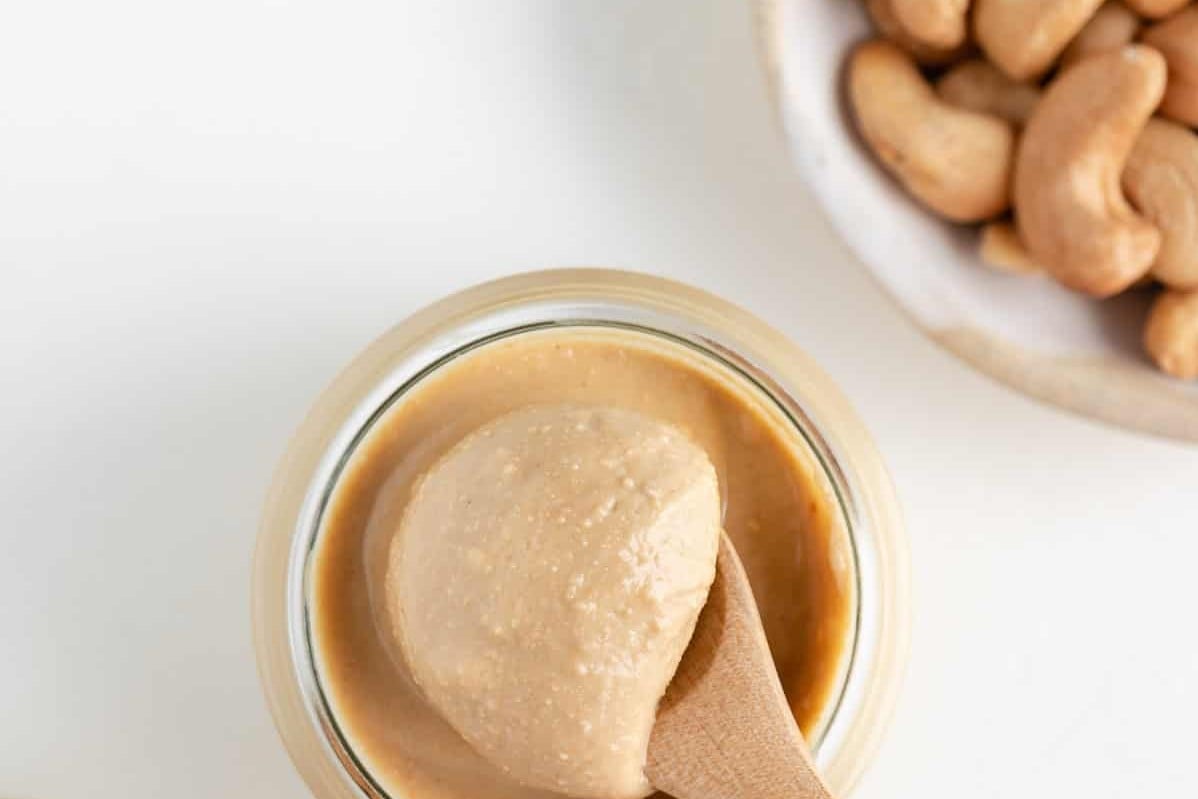
Does eating cashew nut spreads in the first year of life reduce the chances a baby will develop a cashew nut food allergy?
Recent interest in the diverse ecosystem of bacteria, fungi and viruses that make up the skin microbiome has led to numerous studies investigating the skin microbiome in healthy skin and in dermatological conditions. However, skin microbiome analysis is challenging due to relatively low numbers of skin microorganisms compared to mucosal sites, such as the respiratory or gastrointestinal tracts. Microbiome results are heavily influenced by sampling methods.
Described antimicrobial resistance mechanisms enable bacteria to avoid the direct effects of antibiotics and can be monitored by in vitro susceptibility testing and genetic methods. Here we describe a mechanism of sulfamethoxazole resistance that requires a host metabolite for activity.
Indigenous children in colonised nations experience high rates of health disparities linked to historical trauma resulting from displacement and dispossession, as well as ongoing systemic racism. Skin infections and their complications are one such health inequity, with the highest global burden described in remote-living Australian Aboriginal and/or Torres Strait Islander (hereafter respectfully referred to as Aboriginal) children. Yet despite increasing urbanisation, little is known about the skin infection burden for urban-living Aboriginal children.
Pharyngitis, more commonly known as sore throat, is caused by viral and/or bacterial infections. Group A Streptococcus (Strep A) is the most common bacterial cause of pharyngitis. Strep A pharyngitis is an acute, self-limiting disease but if undertreated can lead to suppurative complications, nonsuppurative poststreptococcal immune-mediated diseases, and toxigenic presentations.