
Search
The allergenic load of house dust mite allergy is largely constituted by a few proteins with a hierarchical pattern of allergenicity.
Lung inflammation resulting from ARIs during infancy is linked to asthma development.
Lymphocyte recruitment to peripheral tissues is fundamental for immune surveillance and homeostasis, but the chemokines and chemokine receptors responsible...
The monoclonal antibody, palivizumab is licensed for use in high-risk infants to prevent severe illness caused by respiratory syncytial virus (RSV). The level of its use and compliance with current jurisdictional guidelines which were amended in 2010, is unknown.
Throughout history, pandemics of viral infections such as HIV, Ebola and Influenza have disrupted health care systems, including the prevention and control of endemic diseases. Such disruption has resulted in an increased burden of endemic diseases in post-pandemic periods.
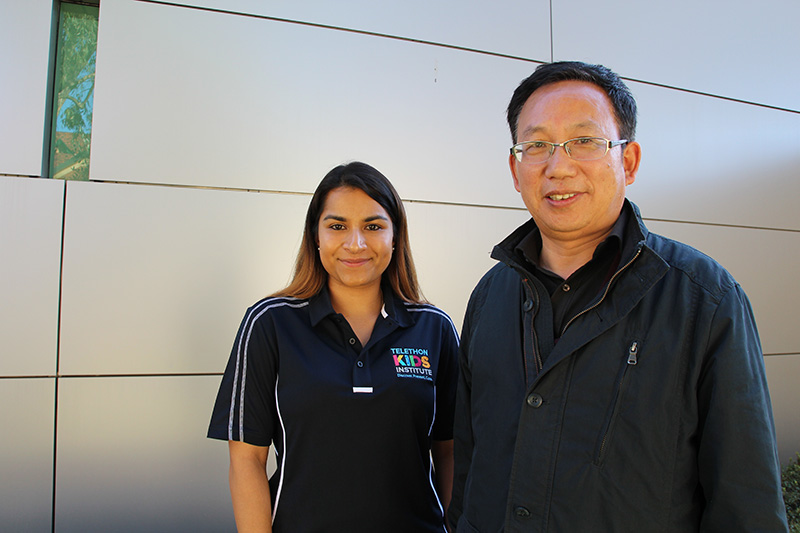
Chinese immigrants who live in a Western environment like Australia have an increased risk of allergies, hay fever and asthma, new research led by Curtin University and The Kids Research Institute Australia has found.
Staphylococcus aureus is a common cause of community and health care-associated bacteremia, with authors of recent studies estimating the incidence of S aureus bacteremia (SAB) in high-income countries between 8 and 26 per 100 000 children per year. Despite this, <300 children worldwide have ever been randomly assigned into clinical trials to assess the efficacy of treatment of SAB.

new research at The Kids Research Institute Australia will look at the diets of mums to see if regularly eating more eggs or peanuts during pregnancy and while breastfeeding