
Search
Atelectasis has been reported in 68 to 100% of children undergoing general anaesthesia, a phenomenon that persists into the recovery period. Children receiving recruitment manoeuvres have less atelectasis and fewer episodes of oxygen desaturation during emergence. The optimal type of recruitment manoeuvre is unclear and may be influenced by the airway device chosen.
Patient positioning interacts with a number of body systems and can impact clinically important perioperative outcomes. In this educational review, we present the available evidence on the impact that patient positioning can have in the pediatric perioperative setting. A literature search was conducted using search terms that focused on pediatric perioperative outcomes prioritized by contemporary research in this area.
Airway management is required during general anaesthesia and is essential for life-threatening conditions such as cardiopulmonary resuscitation. Evidence from recent trials indicates a high incidence of critical events during airway management, especially in neonates or infants. It is important to define the optimal techniques and strategies for airway management in these groups.
Difficult facemask ventilation is perilous in children whose tracheas are difficult to intubate. We hypothesised that certain physical characteristics and anaesthetic factors are associated with difficult mask ventilation in paediatric patients who also had difficult tracheal intubation.
Inguinal hernia surgery is one of the most common electively performed surgeries in infants. The common nature of inguinal hernia combined with the high-risk population involving a predominance of preterm infants makes this a particular area of interest for those concerned with their perioperative care. Despite a large volume of literature in the area of infant inguinal hernia surgery, there remains much debate amongst anesthetists, surgeons and neonatologists regarding the optimal perioperative management of these patients.
COVID-19 forced healthcare systems to make unprecedented changes in clinical care processes. The authors hypothesized that the COVID-19 pandemic adversely impacted timely access to care, perioperative processes, and clinical outcomes for pediatric patients undergoing primary appendectomy.
Perth researchers who were involved in an international study which examined two different techniques used to intubate newborns and young babies during surgery expect the findings to lead to a change in global practice.

A The Kids Research Institute Australia ear health researcher has received a prestigious national fellowship to support her search for new therapies to improve the lives of kids who suffer repeat middle ear infections.
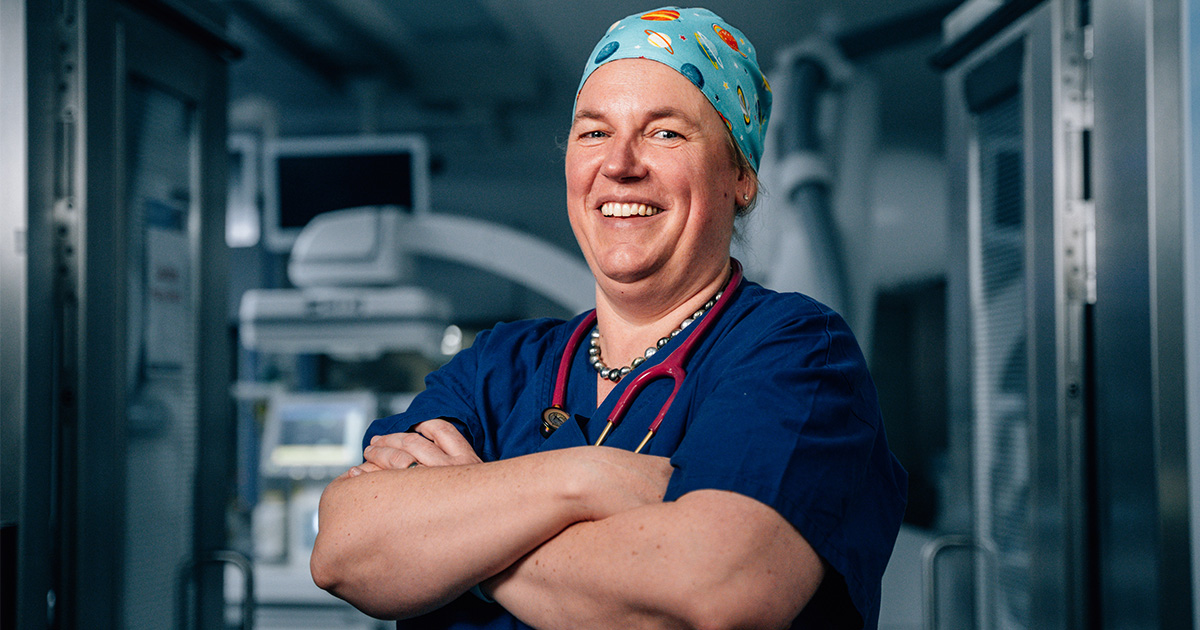
Congratulations to trailblazing Western Australian paediatric anaesthetist and researcher Professor Britta Regli-von Ungern-Sternberg, who has been awarded a prestigious Prime Minister’s Prize for Science for globally influential research that has made surgery and recovery safer for babies and children.
Concerns persist regarding the potential long-term effects of general anaesthesia on brain development in children. This narrative review summarises recent preclinical and clinical evidence (2019-25) and updates consensus messages.