
Search

Communities with poor access to mental health services are eight times more likely to be youth suicide hotspots, according to new The Kids Research Institute Australia research.

Prominent consultant psychiatrist and Western Australia’s 2021 Australian of the Year, Professor Helen Milroy AM, has been recognised as a Member of the Order of Australia (General Division).

Two researchers focused on improving outcomes for children with chronic lung disease and averting suicide contagion and suicide clusters in young people have won prestigious Investigator Grants from the National Health and Medical Research Council.

Congratulations Dr Nicole Hill, who has been honoured at this year’s prestigious 40under40 Awards for her outstanding contributions to suicide prevention research in Australia.

The Kids Research Institute Australia congratulates Professor Helen Milroy on being named Western Australia’s 2021 Australian of the Year.
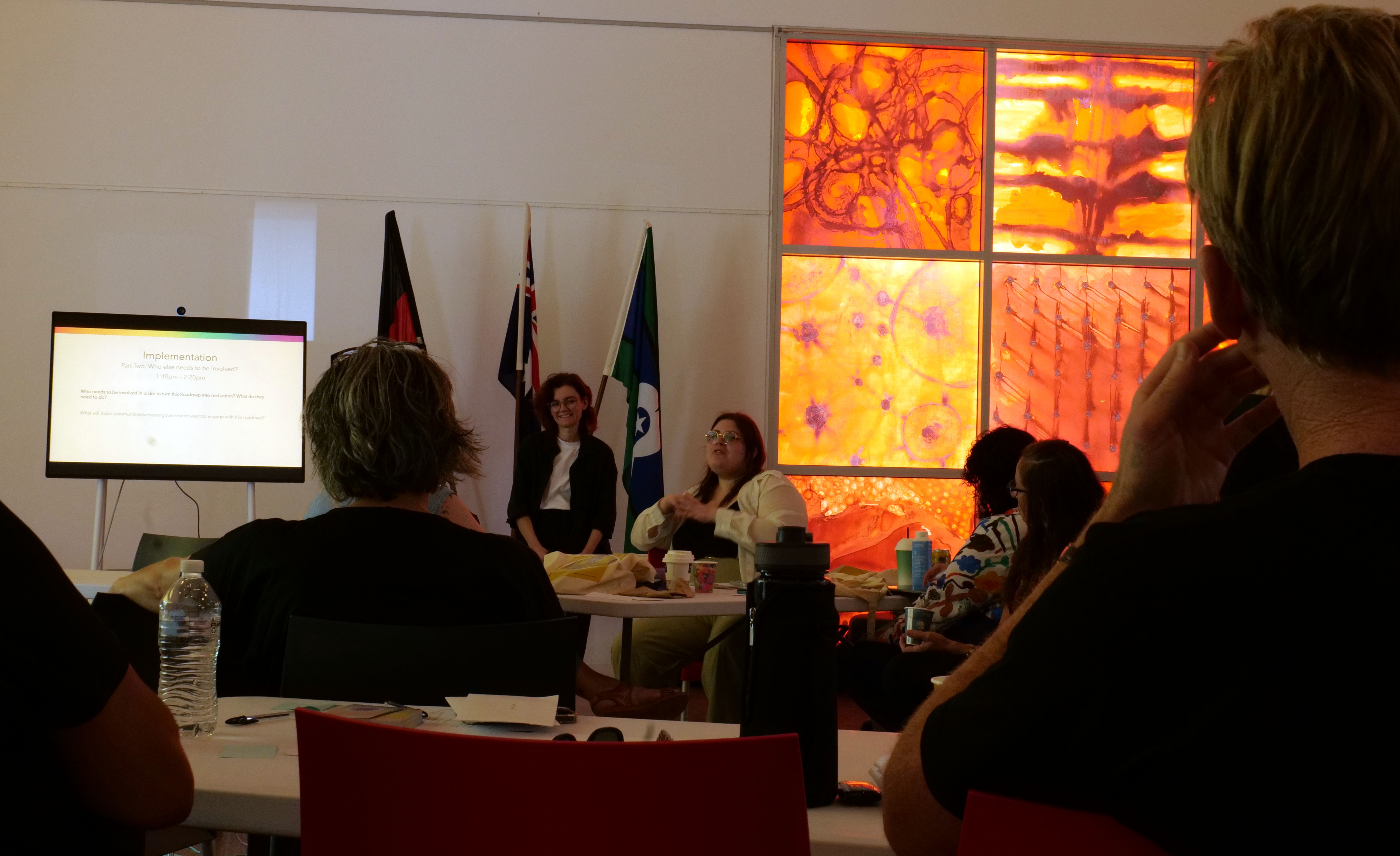
Walkern Katatdjin researcher and lead author Mx Shakara Liddelow-Hunt leads a conversation with the community on the key actions to include in the Roadmap.
Globally, rates of children with physical and mental health problems are increasing. Health issues in early childhood often persist into adulthood, highlighting the need to ensure children are supported to flourish from the start of life.
Childhood emotional abuse (CEA) has been linked to response-focused emotion regulation in adulthood. However, the underlying mechanisms remain unexplored. This pre-registered study examined whether shame mediates the association between CEA history and aversive cognitive perseveration (ACP), including brooding rumination, experiential avoidance and emotional non-acceptance, in adulthood.
Qualitative research on sensitive topics (e.g. abuse, mental health difficulties, discrimination) is needed to understand lived experiences of complex issues. However, this type of research raises concerns about potential adverse effects on participants, especially with younger participants and those from marginalized populations. In this study, we conducted a reflexive thematic analysis of 20 trans adolescents’ (14–18 years of age) experiences of participating in research about their stigma experiences.
This study compared and explored the neurocognitive profiles of siblings of persons with and without neurodevelopmental conditions (NDCs) and associations between objective test performance and self-reported psychosocial functioning.