
Search
Detection of pneumonia-causing respiratory viruses in the nasopharynx of asymptomatic children has made their actual contribution to pneumonia unclear. We compared nasopharyngeal viral density between children with and without pneumonia to understand if viral density could be used to diagnose pneumonia.
BK polyomavirus infection in transplanted kidneys that leads to BK virus–associated nephropathy (BKVAN) is an important cause of allograft loss and has limited treatment options. Recent data suggest that BK viremia affects approximately 10% of people within the first 12 months following kidney transplantation. Among recipients with BKVAN, the overall risk of allograft loss is substantially increased, estimated to be 50% within 5 years of diagnosis.
A summary of the literature regarding the use of adjunctive protein synthesis inhibitors for toxin suppression in the setting of S. aureus infections is presented
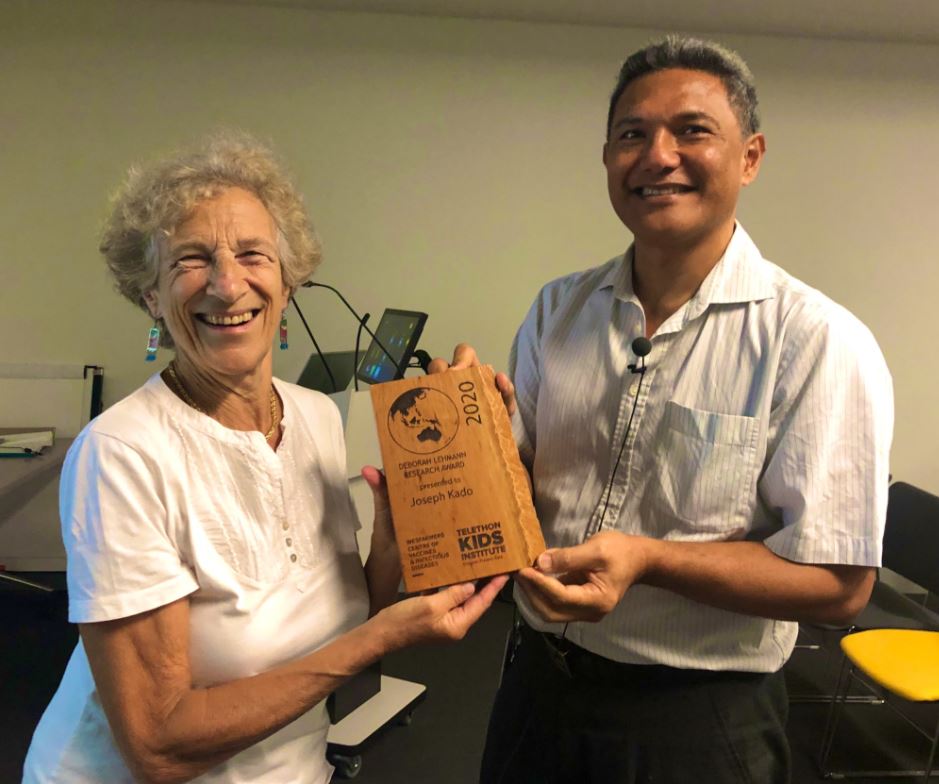
The Wesfarmers Centre has established the Deborah Lehmann Research Award to acknowledge the significant contribution that Clinical Associate Professor Deborah Lehmann AO has made to paediatric infectious disease research.

Senior Research Fellow

Program Manager

Families living in remote Kimberley communities are paying up to twice as much for everyday items needed to support healthy living, according to new research led by The Kids Research Institute Australia.
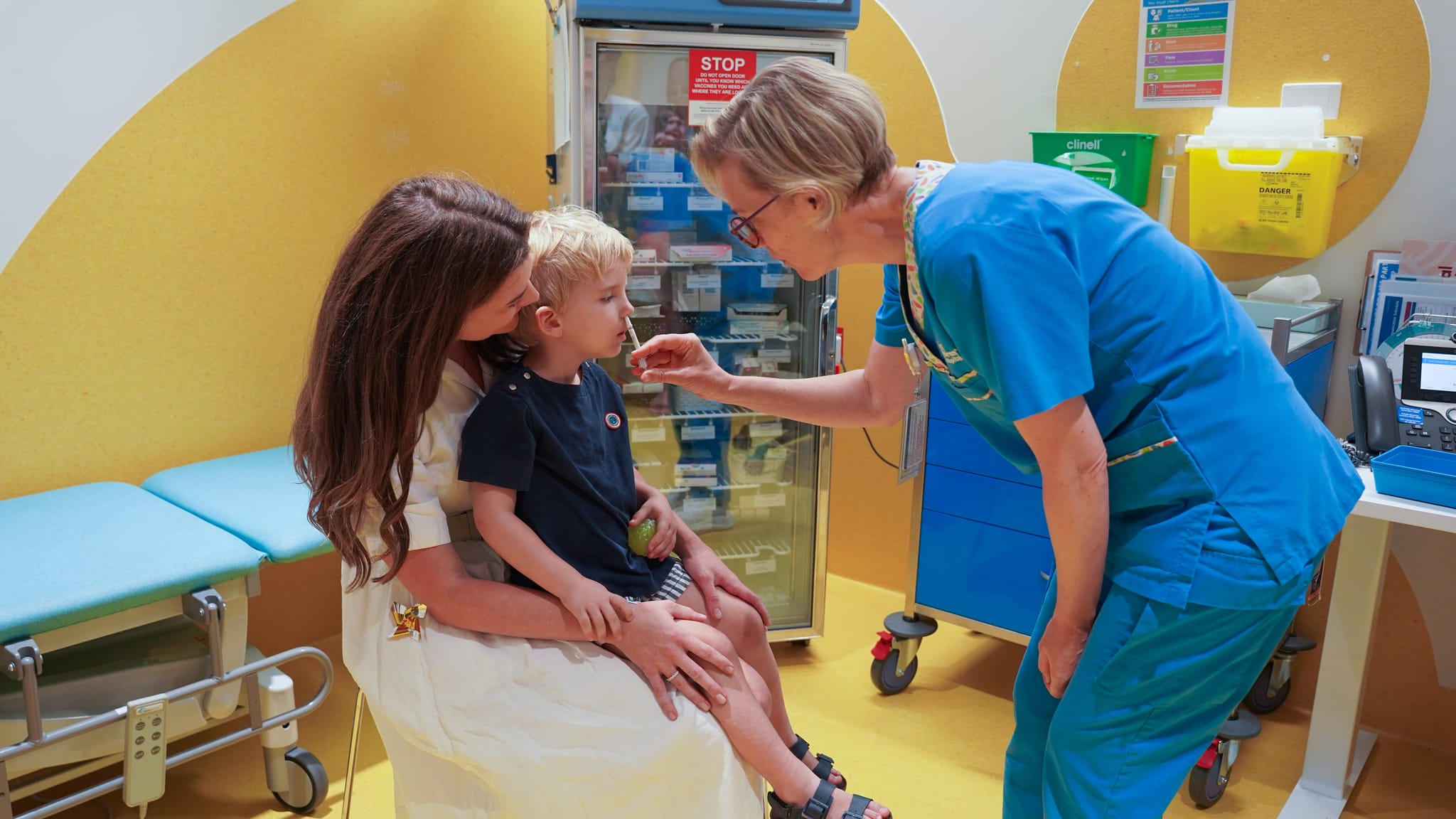
More young Western Australians will have access to needle-free protection against influenza this winter, with the WA Government expanding its nation-leading FluMist® program to include teenagers aged 12 to 17 years.

Respiratory Syncytial Virus (RSV) is a year-round threat to the health of babies and young children, and one of the leading causes of infant hospitalisation in Australia. It is highly contagious and can cause anything from mild cold-like symptoms to severe lung infections such as bronchiolitis and pneumonia. For n
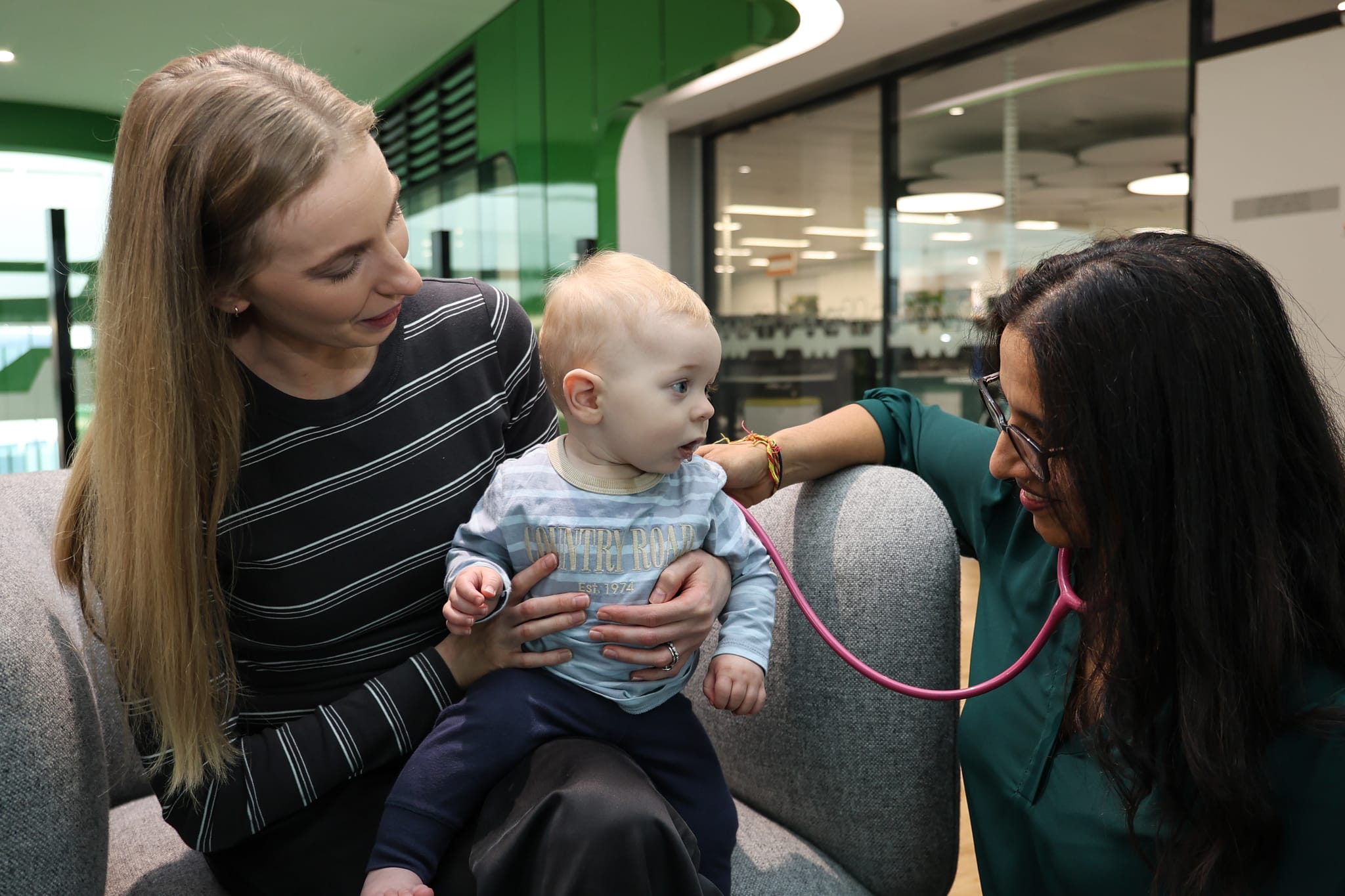
Australia’s new respiratory syncytial virus (RSV) immunisation program cut hospital admissions for Australia’s youngest babies by almost half in its first year, a new major national study has shown.