
Search
Communication impairments are a leading concern for parent caregivers of individuals with rare neurodevelopmental disorders. Clinical trials of disease modifying therapies require valid and responsive outcome measures that are relevant to individuals with RNDDs. Identifying and evaluating current psychometric properties for communication measures is a critical step towards the selection and use of appropriate instruments.
Growing up in a language-rich home environment is important for children's language development in the early years. The concept of "technoference" (technology-based interference) suggests that screen time may be interfering with opportunities for talk and interactions between parent and child; however, limited longitudinal evidence exists exploring this association.
People with intellectual disability are at risk of poor physical and mental health. Risks to health are compounded by poor health literacy, that is, reduced capacity to access health services, respond quickly to changes in health status and navigate care pathways. Building health literacy skills is a strength-based way to increase health and optimise the use of healthcare services. The internet is a primary source of health information for many people, including people with intellectual disability and their families.
The Education Department of Western Australia advocates for culturally responsive schools. Aboriginal Indigenous Education Officers are employed by schools to facilitate and enable the potential for Aboriginal school children to thrive in school settings.
To assess the implementation of the digital version of the Physical Literacy in Children Questionnaire (PL-C Quest) in a primary school environment.

A joint initiative between The Kids Research Institute Australia, The University of Western Australia, the University of Kansas and Nebraska University, it is the world’s only study to conduct such a detailed assessment of language and literacy development from infancy through the formative adolescent years.
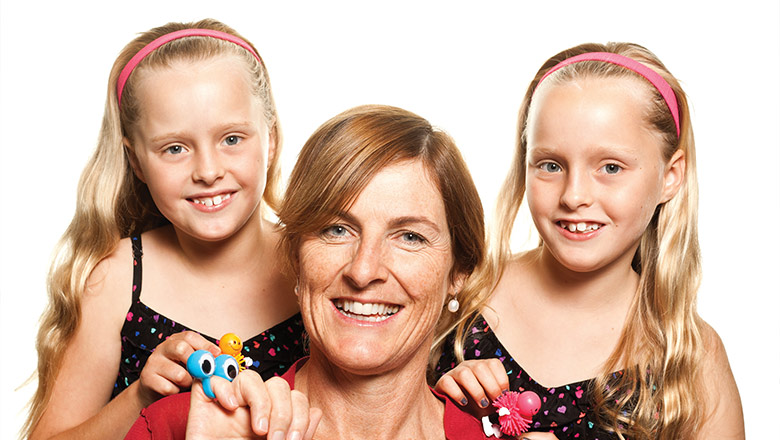
Hearing your child’s first word is a precious moment for any parent but while most children begin to talk within 12 to 24 months of age, some take much longer.

A study by The Kids Research Institute Australia has found children with Attention Deficit Hyperactivity Disorder (ADHD) have significantly worse school outcomes.
A new study by The Kids Research Institute Australia has found current early intervention programs are failing to identify a large proportion of children with language an
New research has found that children of mums who had low levels of Vitamin D during pregnancy are twice as likely to have language difficulties.