
Search

The FluBub Study will investigate whether giving the flu vaccine much earlier than the six months currently recommended by the National Immunisation Program will protect babies at the greatest risk of a severe influenza infection when they are most vulnerable.
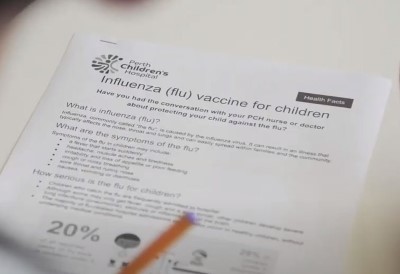
Western Australia has experienced historically low levels of respiratory syncytial virus (RSV) and influenza this winter due to the public health measures implemented to prevent the spread of COVID-19.

At just two years old, Lucy lost her fight against flu. With your generous help, we can finally beat influenza.

New research investigating the devastating impact of the 2017 flu season by PAEDS-FluCAN, a national collaboration observing influenza in children, confirmed it was time to take action after thousands of children were hospitalised with the virus last year.
People are being urged to ensure they've had their vaccination with the 'flu season expected to hit in Western Australia within weeks.
To assess potential benefits and direct healthcare cost savings with expansion of an existing childhood influenza immunisation program, we developed a dynamic transmission model for the state of Western Australia, evaluating increasing coverage in children < 5 years and routinely immunising school-aged children.
Current immunization guidelines recommend one dose of influenza vaccine for children aged ≥9 years and two doses for younger or vaccine-naïve children. However, children receiving chemotherapy have an attenuated immune response. We performed a prospective open-label study in children undergoing treatment for cancer at Perth Children's Hospital, Western Australia, to examine the safety and efficacy of a boosted influenza schedule.
Estimating the temporal trends in infectious disease activity is crucial for monitoring disease spread and the impact of interventions. Surveillance indicators routinely collected to monitor these trends are often a composite of multiple pathogens. For example, "influenza-like illness"-routinely monitored as a proxy for influenza infections-is a symptom definition that could be caused by a wide range of pathogens, including multiple subtypes of influenza, SARS-CoV-2, and RSV.
To assess parental awareness of respiratory syncytial virus (RSV) and the level of acceptance of future RSV prevention strategies. A cross-sectional online survey was implemented targeting "future" and "current" parents of children aged ≤5 years in Australia.
The changing phenotype of coronarvirus disease 2019 (COVID-19) may quickly render guideline-recommended interventions obsolete. We developed a 40-question clinician survey in consultation with the Australasian COVID-19 Trial site investigators. The survey was designed to assess clinician perceptions of the current treatment strategies and future research priorities in the management of non-critically ill patients admitted to hospital with SARS-CoV-2 infection.