
Search
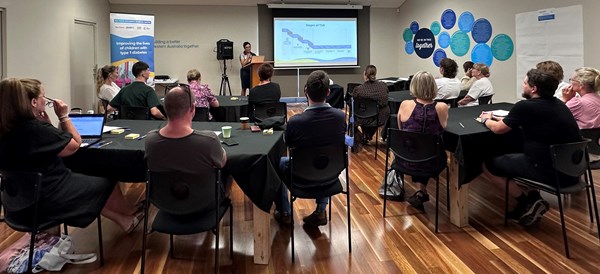
Involving those who live with T1D or care for a child who lives with T1D is a primary focus for the Centre. This lived experience integral to making sure the research our Centre does is relevant and outcomes create meaningful impact for how they manage the condition on a day-to-day basis.
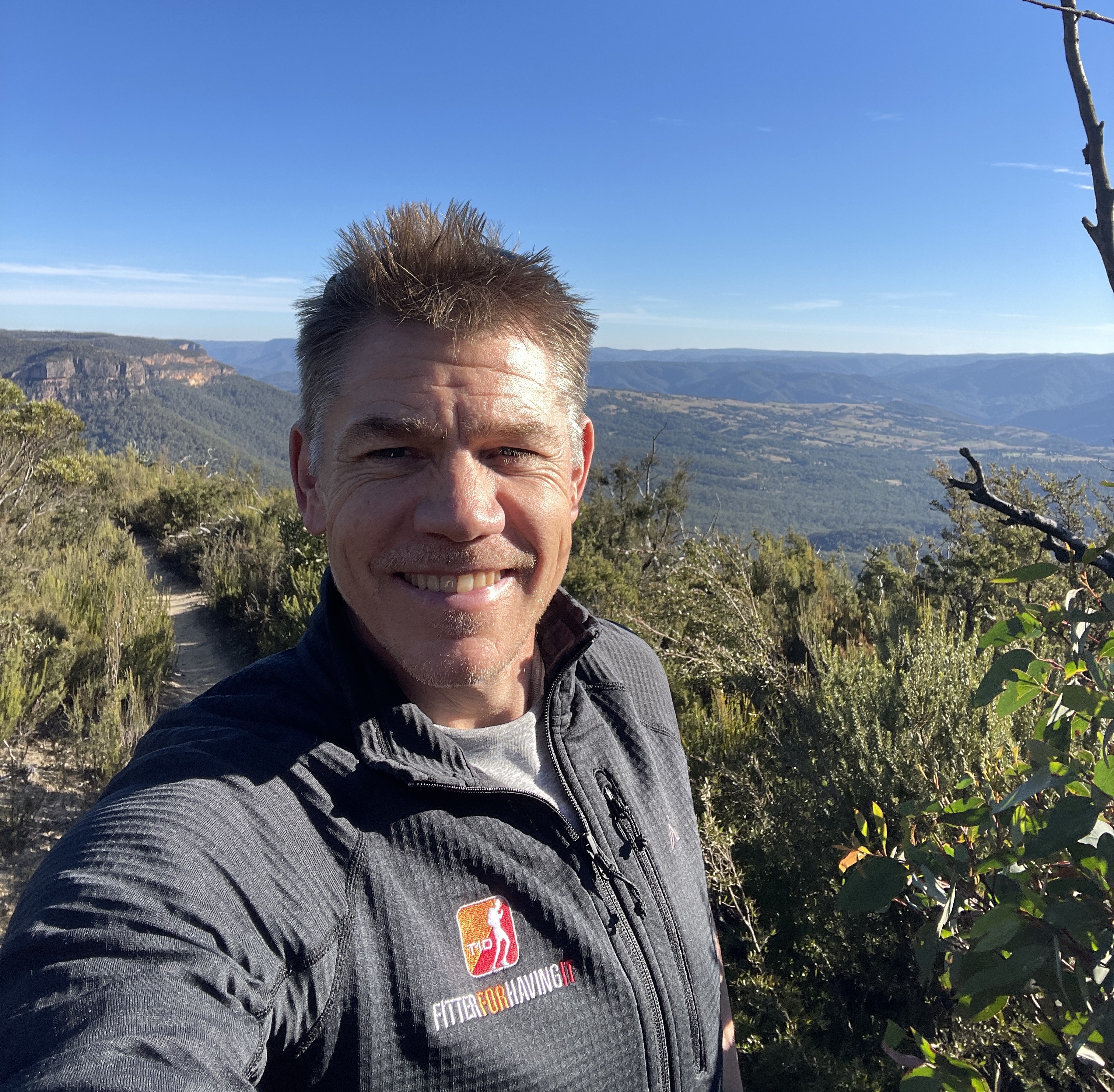
Consumer Representative Spotlight - Duncan Read
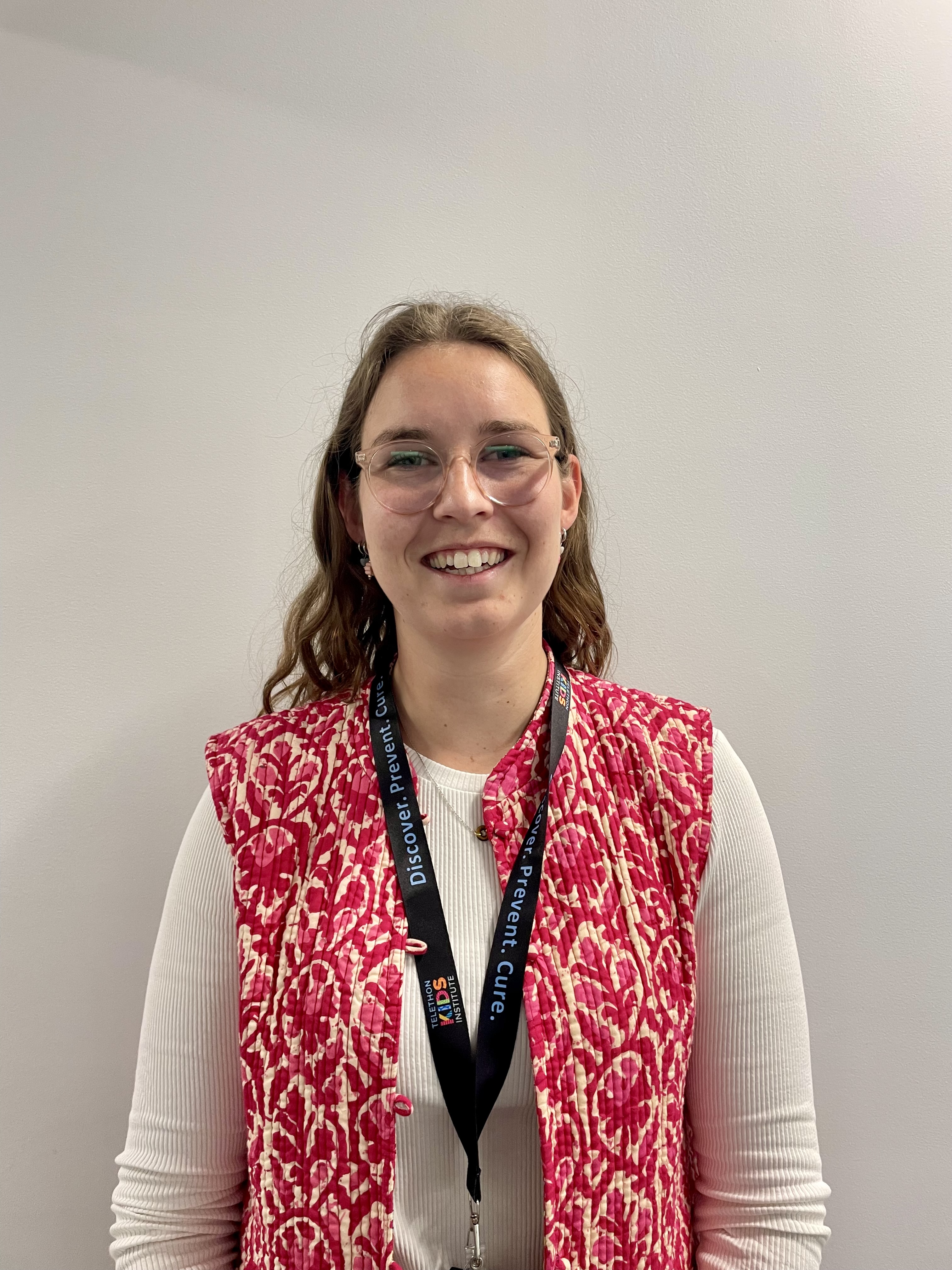
Meet Emme-Lotte our Research Intern

The Rio Tinto Children’s Diabetes Centre; a JDRF Global Centre of Excellence announces $60,000 in new round of seed grants for researchers dedicated to type 1 diabetes. Three researchers from across Australia have received up to $20,000 to advance their research projects in type 1 diabetes (T1D).

The PCH Diabetes Clinical team will again be collecting T1DAL surveys between June and July 2024, followed by PAID between November 2024 and January 2025.

If you, or your child is aged between 2 – 18 years and has type 1 diabetes, we invite you to complete a few questions to help us see how you manage your hypos at home.
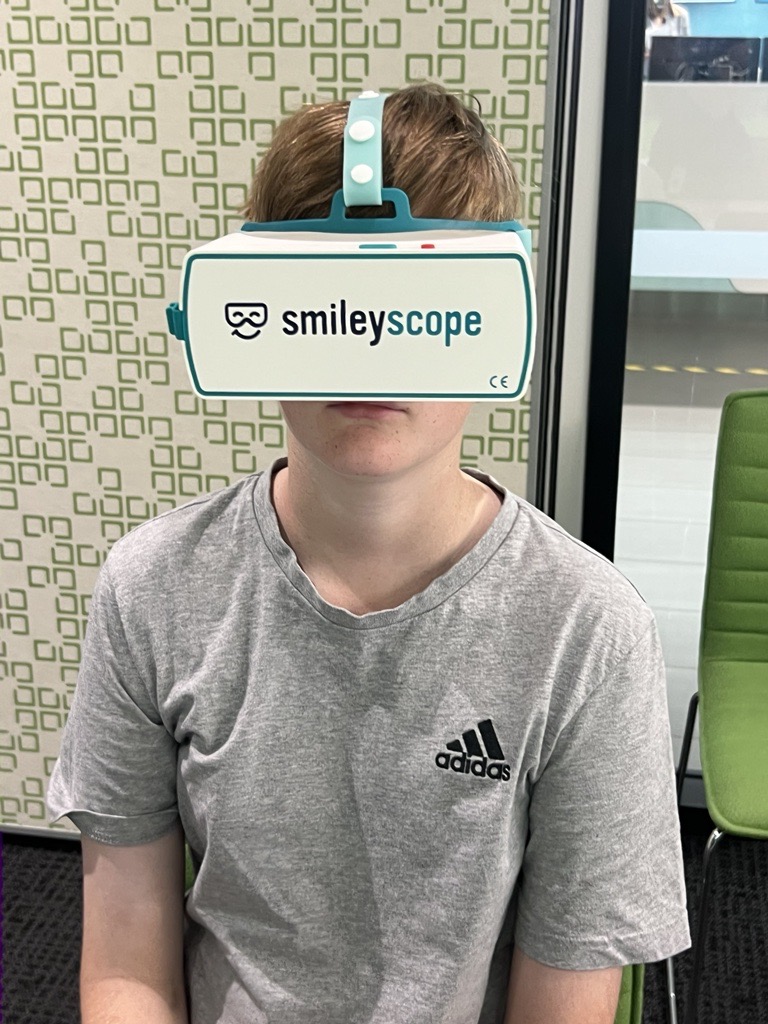
Anyone attending a Continuous Glucose Monitoring (CGM) start at PCH recently will have been offered the chance to use our new Virtual Reality googles also known as ‘SmileyScope’.
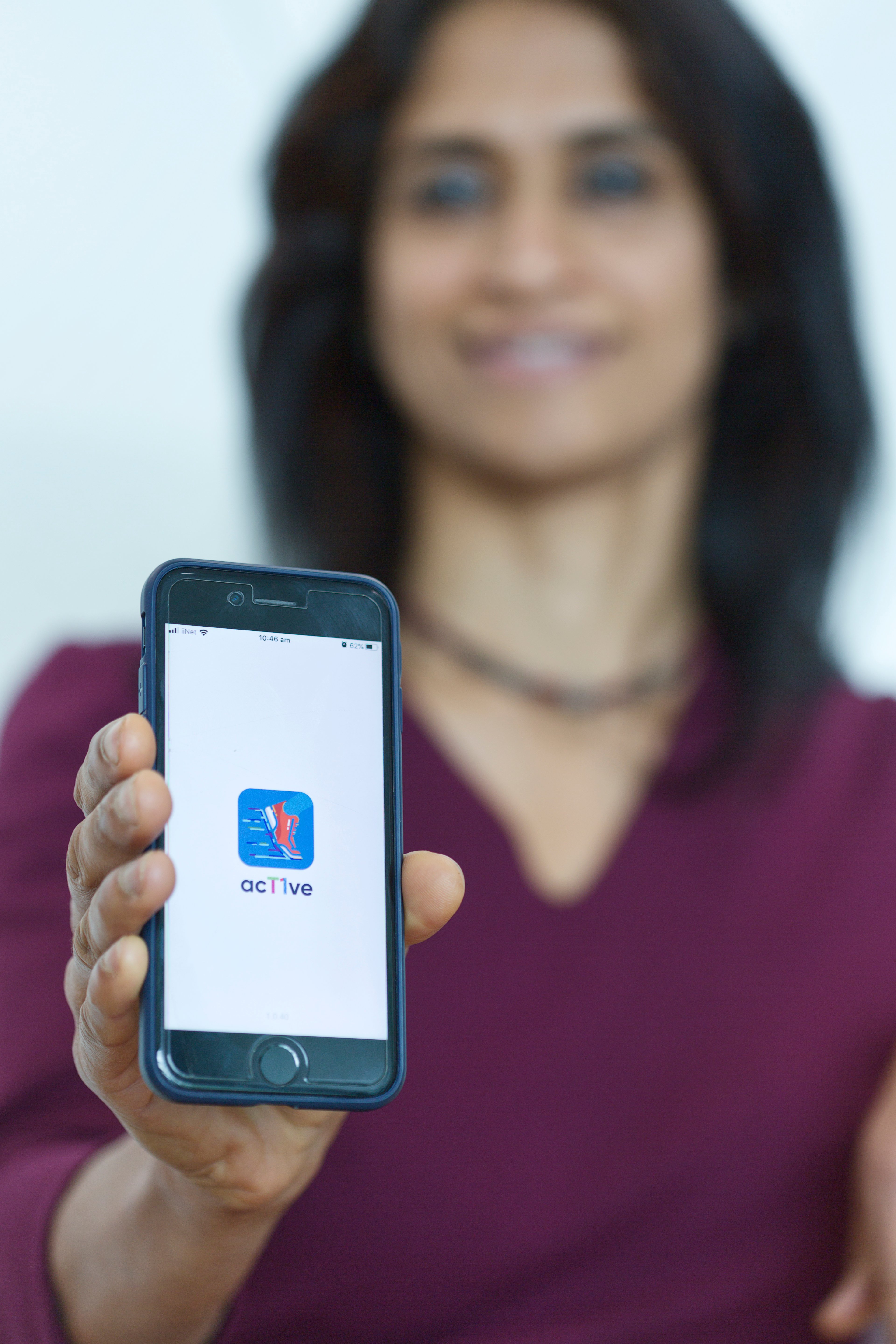
T1D Mobile Health App It is important for people living with type 1 diabetes (T1D) to engage in a physically active lifestyle, but it can be
What support do families with early-stage T1D need? Screening for the risk of developing T1D is now an option. But as exciting as screening is, we
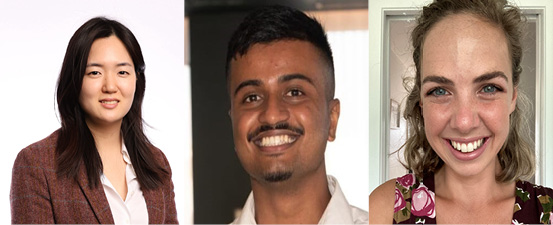
The Rio Tinto Children’s Diabetes Centre; a JDRF Global Centre of Excellence (the Centre), announces 2023 Round 2, Honours and PhD scholarships for students dedicated to type 1 diabetes (T1D) research.