
Search
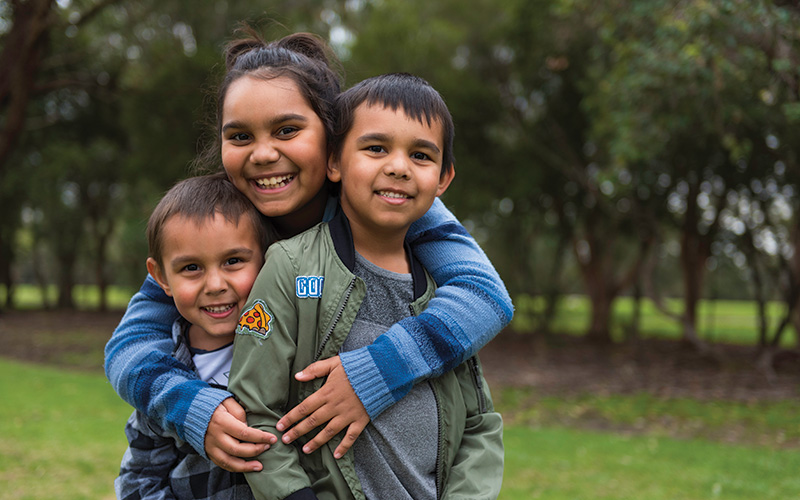
The Institute's Standards for the Conduct of Aboriginal Health Research outline our ways of working with Aboriginal communities and peoples.
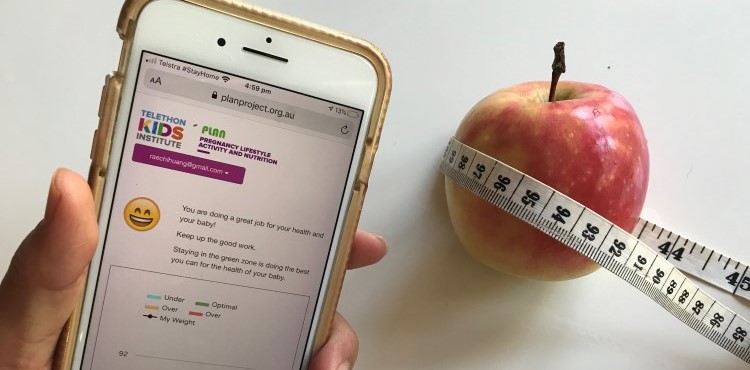
A diet and lifestyle mobile app targeting a critical window in early pregnancy is being introduced to women in the northern suburbs of Perth, hoping to assist with breaking the ‘transmission’ of obesity from one generation to the next.
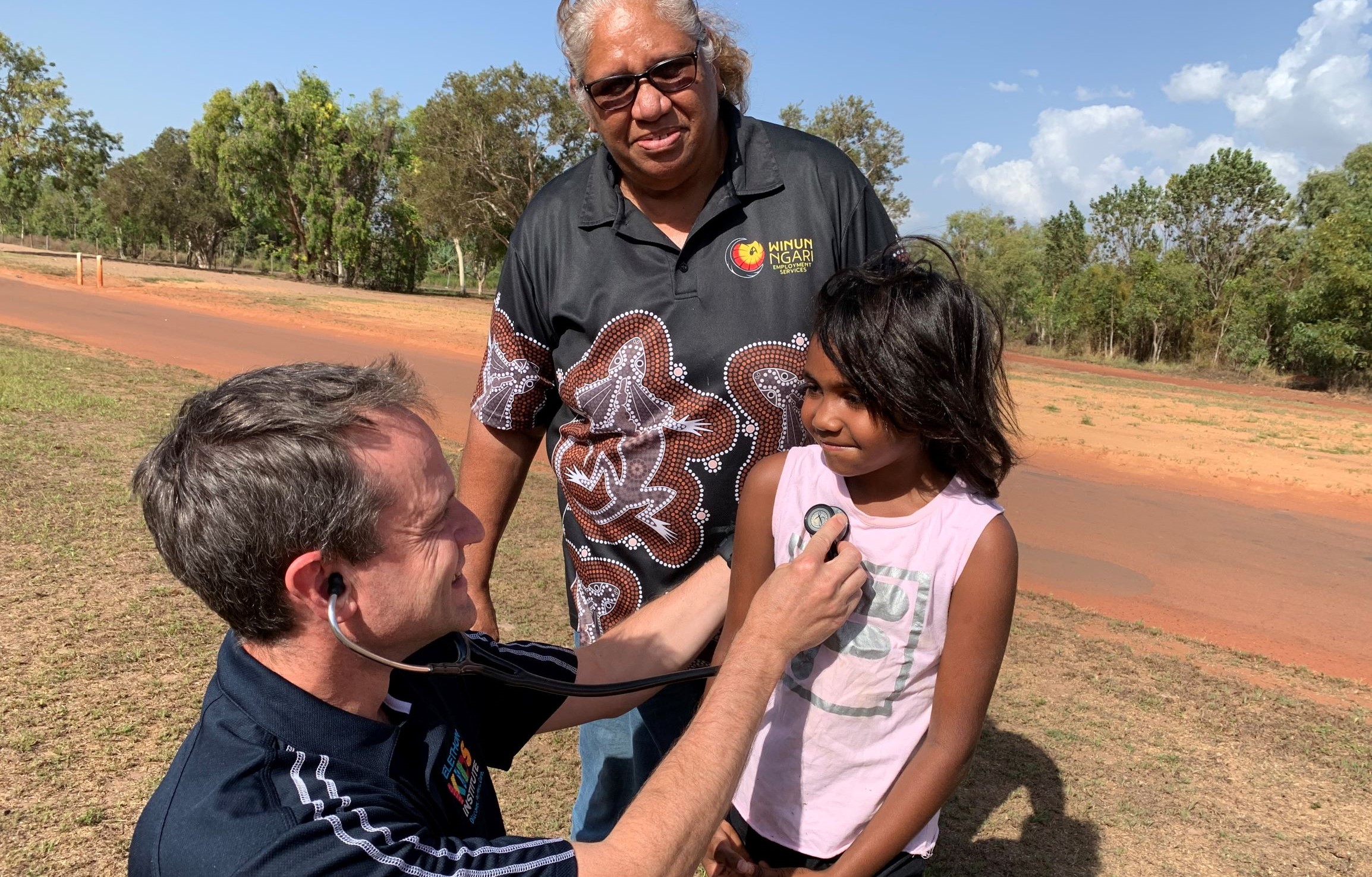
Results from a world first-study measuring prevalence of chronic wet cough and protracted bacterial bronchitis in four Kimberley Aboriginal communities have highlighted the enormity of the health problem.

For the first time this year, all Australian babies and children aged six months to four years will be entitled to have a free influenza vaccination.
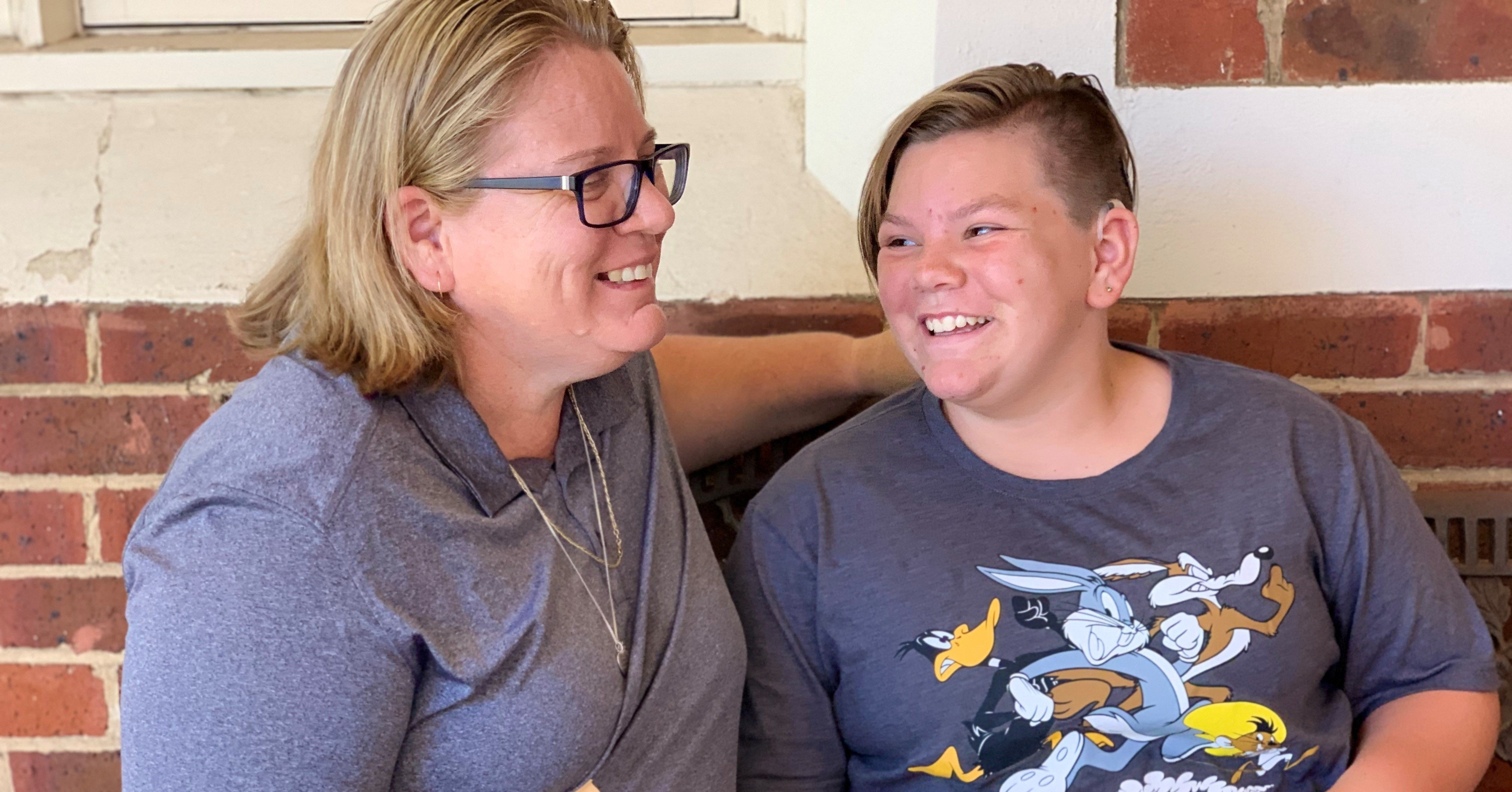
Adolescence can be challenging for all kids, but especially for those who are Deaf or hard-of-hearing. New resources developed by The Kids Research Institute Australia aim to make life a little easier.
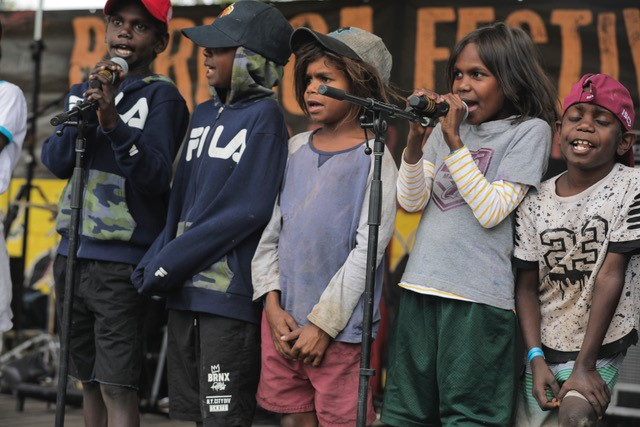
A song written by kids in Barunga as part of the END RHD Communities Project is helping prevent the spread of infections that cause rheumatic heart disease in remote Aboriginal Communities.
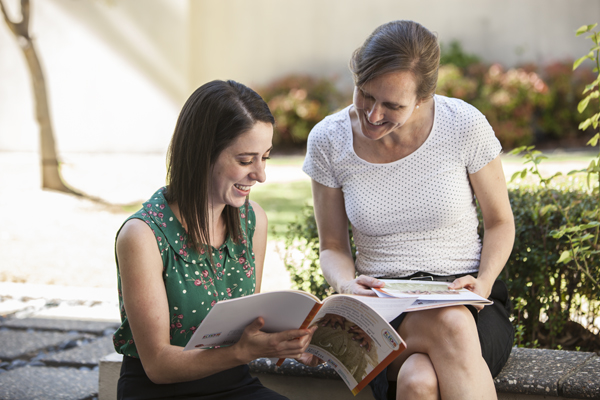
The first ever National Healthy Skin Guideline has become the gold standard for the treatment, prevention and public health control of skin infections in Indigenous populations in Australia and provides a positive framework for healthy skin.
Dissociative disorders in children and young adolescents are under-recognised and under-treated. Current diagnostic criteria rely on downward extensions of adult models and do not adequately consider developmental differences in younger populations. This reliance risks overlooking symptom patterns that may be unique in childhood, thereby perpetuating diagnostic gaps and delayed treatment.
This study examined how mental health clinicians conceptualise, assess, and treat dissociation in children and adolescents, and examined their confidence in working with these presentations to inform clinical practice.
Young Australians experiencing homelessness are at elevated risk of suicidal thoughts and behaviors. LivingWorks’ safeTALK training teaches people the necessary skills for responding to someone thinking of suicide, including how to connect them with further support.