
Search
The Kids Research Institute Australia's annual report highlights the accomplishments of our researchers, furthering our mission to secure a happier, healthier future for kids everywhere.
At The Kids Research Institute Australia, our vision is simple - happy healthy kids.
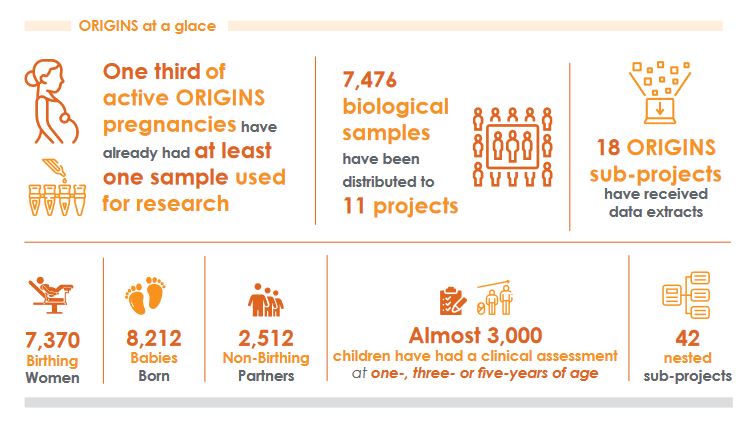
The impact of ground-breaking research is helping ORIGINS families
View The Kids Research Institute Australia's 2025 Impact Report
Coinciding with the Institute’s 35th year of research to improve the health and wellbeing of children and families, the 2025 Impact Report celebrates research which has been translated into policy or practice, and which has led to a paradigm shift in the way we respond to childhood health and wellbeing.
The Kids Research Institute Australia's annual report highlights the accomplishments of our researchers, furthering our mission to secure a happier, healthier future for kids everywhere.
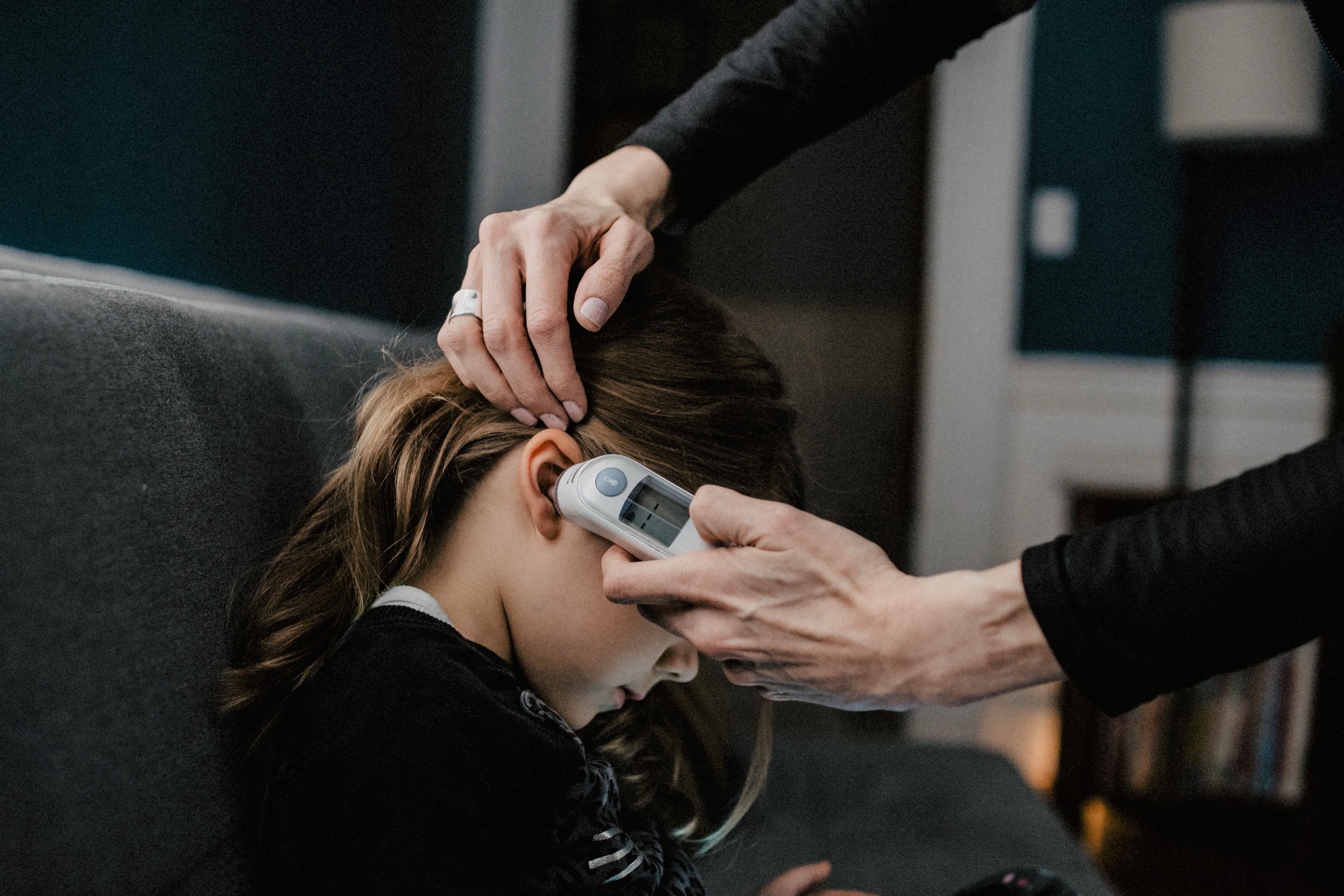
One out of every 10 children with a bloodstream infection are infected with a multi-drug resistant organism in the nation’s first-ever surveillance study investigating the prevalence of paediatric antimicrobial resistance (AMR).
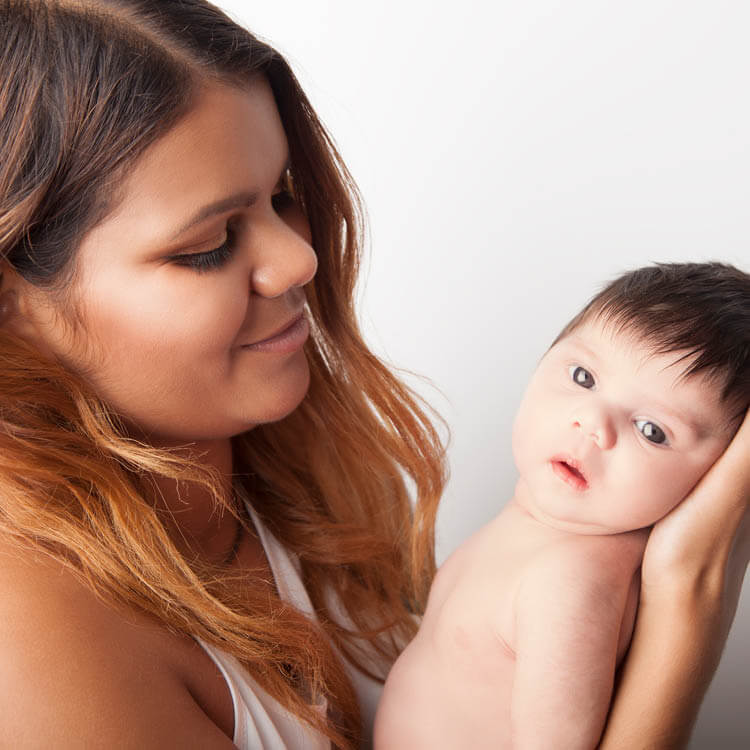
In a WA first, researchers from The Kids Research Institute Australia have shown that Aboriginal babies are 22.5 times more likely to be treated for skin infections than non-Aboriginal babies.
New research investigating the devastating impact of the 2017 flu season by PAEDS-FluCAN, a national collaboration observing influenza in children, confirmed it was time to take action after thousands of children were hospitalised with the virus last year.
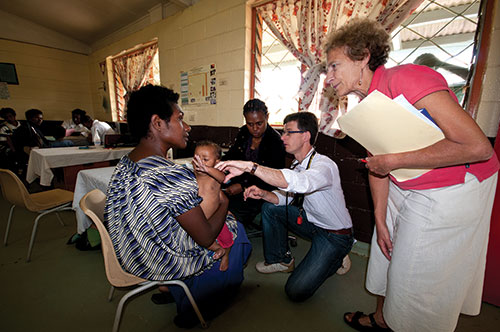
Clinical Associate Professor Deborah Lehmann has been recognised for her dedication to reducing the burden of infectious diseases in Papua New Guinea (PNG) with an award supporting research in the Western Pacific named in her honour.