
Search
Children with ADHD are disadvantaged from an early age in key areas of learning, and this risk increased with reduction in gestational age at birth
This study examined whether the 12-month prevalence of major depressive disorder, attention-deficit/hyperactivity disorder, and conduct disorder among 6- to 17-year-olds in Australia changed between 1998 and 2013 to 2014. It also investigated whether changes in the prevalence of disorders over this time varied for children living in families containing 2 parents versus single parents, and families with high versus low income.
Neurodevelopmental disorders (NDDs), such as autism spectrum disorder (ASD), attention-deficit/hyperactivity disorder, and intellectual disability (ID), commonly emerge during early development and impact functioning across cognitive, social-emotional, communication, and sensorimotor domains.
Adequate Zn and Mg intakes may be beneficial for the prevention and treatment of mental health problems, such as depression, anxiety and attention-deficit...
Our study examined the risk of maternal smoking and alcohol consumption in pregnancy associated with child comorbidity in a community sample of children...
We conducted a population-based, record linkage study to examine the hospital admission risk in young children who are subsequently diagnosed with attention...
Our study investigates the maternal, pregnancy, and newborn risk factors by gender for children prescribed stimulant medication for treatment of ADHD in WA.
Research suggests that offspring of mothers who experience high levels of stress during pregnancy are more likely to have problems in neurobehavioral...
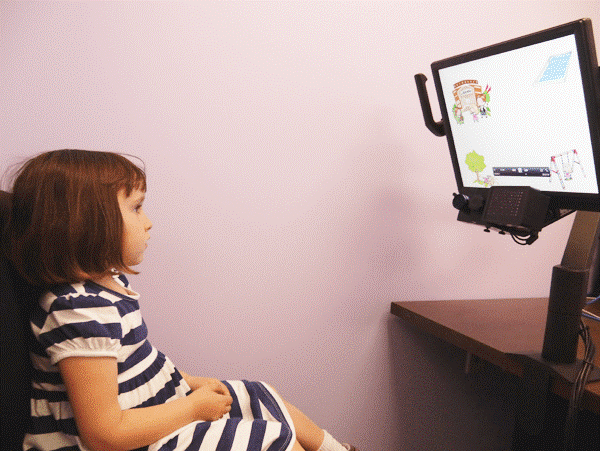
The Kids is trialling a new tool for earlier and easier screening of FASD and ADHD in children, using cutting-edge eye-tracking technology developed by the Kids Brain Health Network in Canada.

A study by The Kids Research Institute Australia has found children with Attention Deficit Hyperactivity Disorder (ADHD) have significantly worse school outcomes.