
Search
Showing results for " https://www.galaxus.ch/en/sector/showdiscussion/snapchat-hack-v3-visit-kunghaccom-fot6scw9-222286"
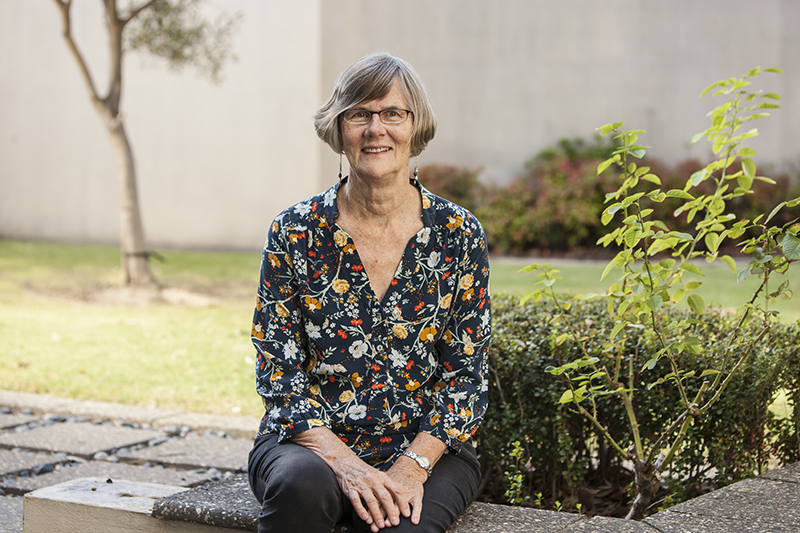
Hundreds of delegates from around Australia, Canada and New Zealand arrive in Perth this week to discuss the latest knowledge about fetal alcohol spectrum disorder (FASD) at the 2nd Australasian FASD Conference 2018.
The Kids Research Institute Australia, has welcomed the State Government's budget commitment to innovation and medical research.
Delivering tangible and measurable improvements to the health and wellbeing of children is at the centre of a bold new blueprint for child health research in WA
The Kids Research Institute Australia has welcomed the Federal Government's commitment to a Medical Research Future Fund to improve the long term health of Australians.
The Kids Research Institute Australia and Minderoo Foundation established CoLab in 2017 to provide a ‘nest’ to bring together evidence with policy and practice to grow six major projects.
Although preterm birth is associated with later deficits in lung function, there is a paucity of information on geographical differences and whether improvements occur over time, especially after surfactant was introduced.
Emerging evidence indicates that the built environment influences early child development. Access to, and the quality of, built environment features vary with the socioeconomic status (SES) of neighbourhoods. It has not yet been established whether the association between built environment features and early child development varies by neighbourhood SES.
This study adds to the current literature by using a novel device-based method to explore where preschool children are physically active outside of home and childcare settings. This study combined accelerometry with geospatial data to explore the influence of the environment on preschool children's physical activity by objectively identifying the locations where preschool children engage in moderate to vigorous physical activity (MVPA) within and outside of their neighborhood.
The Opportunity This position provides an opportunity to be part of an exciting research agenda and a growing team of dedicated professionals. This
Assist Research Focus Area Heads in developing "Big Ideas" proposals to meet the Institute's strategic goals.