
Search
Parents and caregivers often turn to the internet for information about their child's health and development. Research investigating content related to parenting on the world's most popular social media platform, TikTok, has not been conducted.
Perceived stigma and self-stigma negatively affect identity-related, psychological and functional outcomes among stigmatised populations. There is limited research exploring the impact of stigma among young people at ultra-high risk (UHR) for psychosis. We investigated the association of perceived stigma and self-stigma with these outcomes in young people at UHR.
The prevalence of child and adolescent breakfast skipping is concerning, and limited existing evidence suggests an association between skipping breakfast and negative emotional wellbeing outcomes. However, positive emotional wellbeing outcomes have been neglected from research in this space.
The construct of empowerment is associated with beneficial outcomes in numerous populations with well-being across multiple domains. Within families, empowerment has been found to be related to both parent and child well-being. As such, empowerment appears to be a promising concept to support parents of young (< 18 years) trans and gender diverse children and adolescents; however, what empowerment means for parents of trans children and adolescents is not known.
This study explored the lived experience of university students with attention-deficit hyperactivity disorder (ADHD) and identified factors that help or hinder their capacity for self-compassion in higher education. Fourteen university students with ADHD aged 18–25 participated in individual semi-structured interviews exploring experiences of self-compassion in academic contexts.
LGBTIQA + people experience intimate partner violence (IPV) at higher rates than non-LGBTIQA + people but under-utilize professional support services, and the reasons for this are poorly understood. This study examined IPV experiences, recognition of IPV, service utilization, and support needs among a self-selected sample of 523 LGBTIQA + adults in Western Australia.
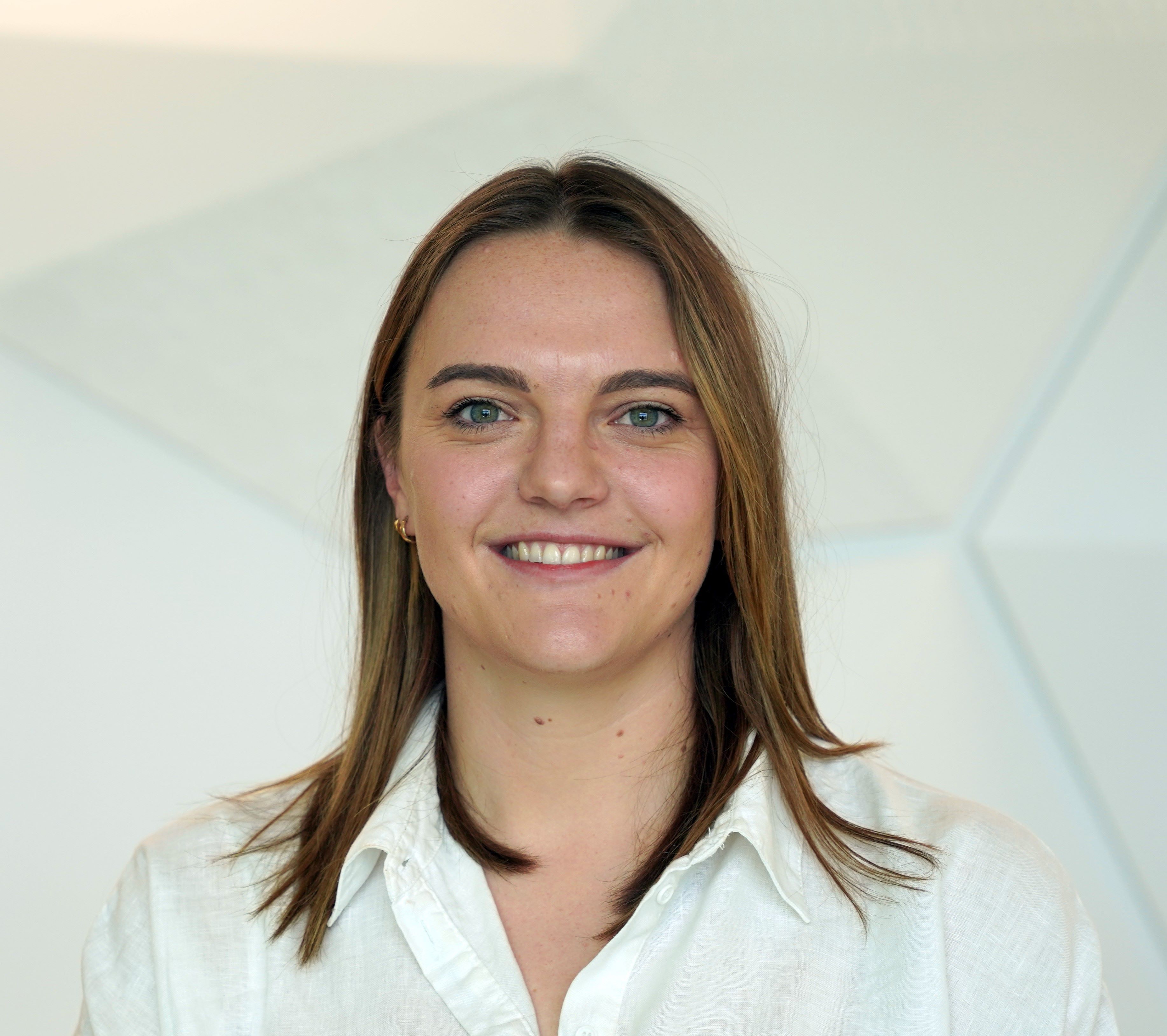
Megan is a training specialist on the Healing Kids, Healing Families Team.
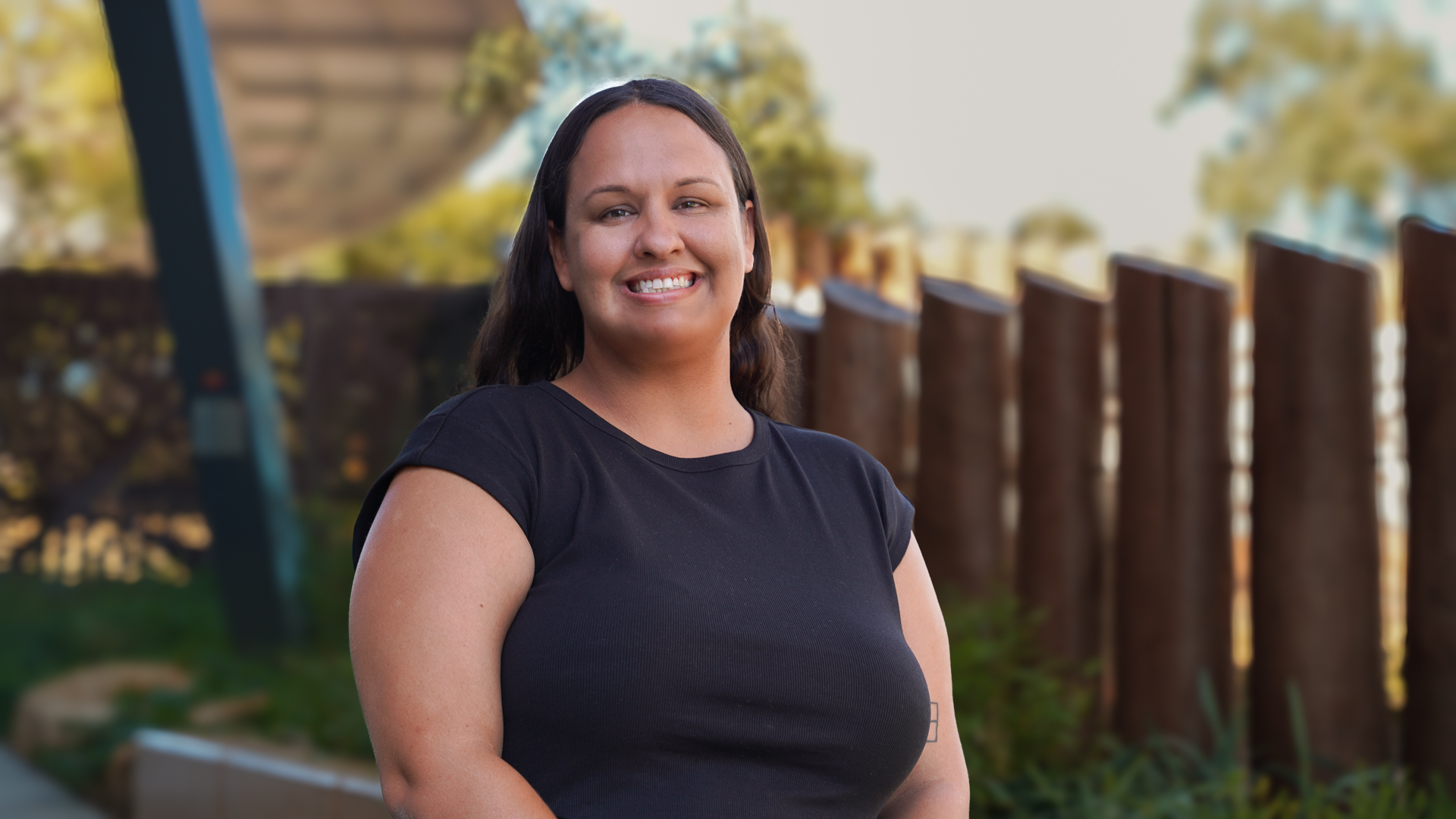
The staff bio of Sarah Cattermole
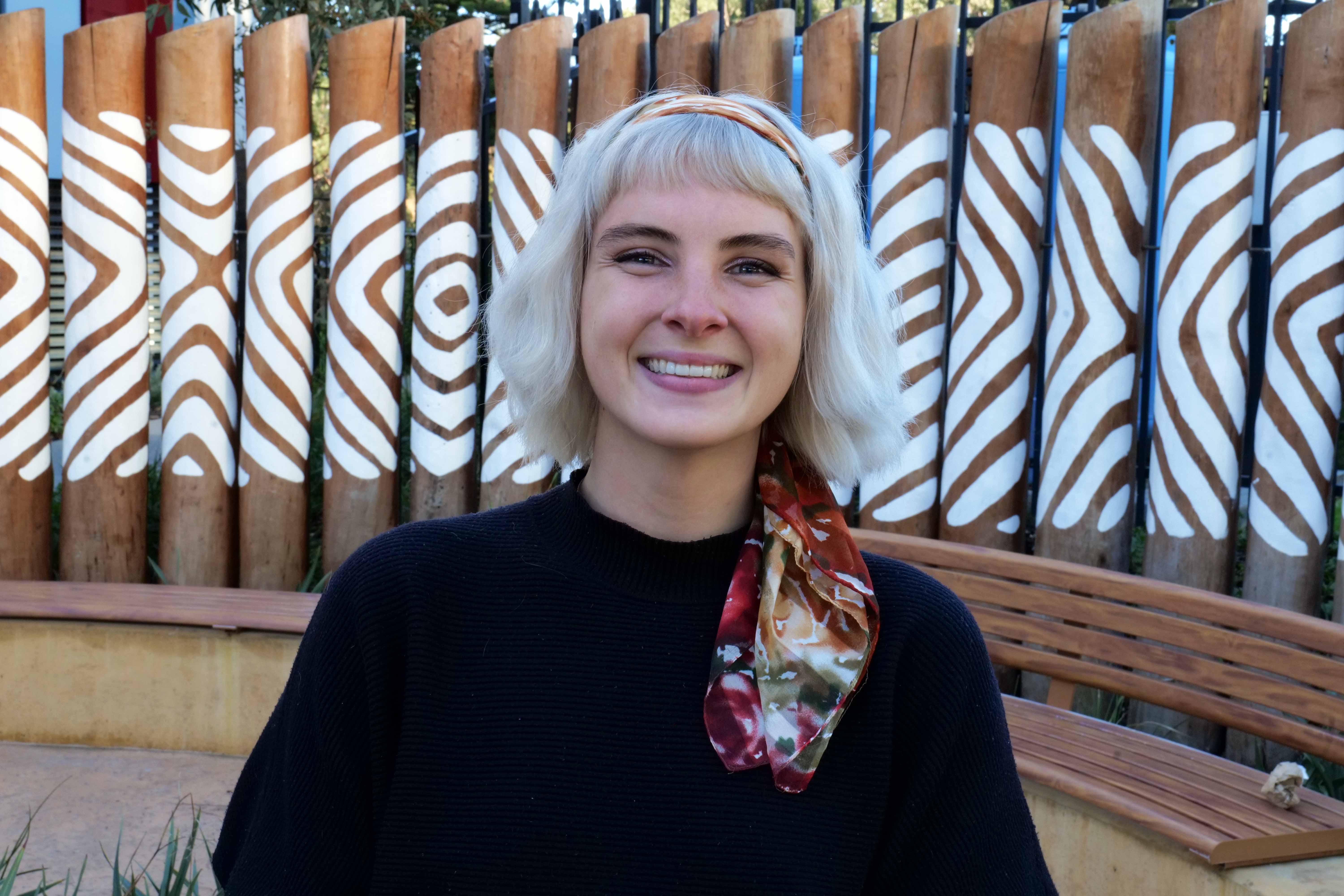
Amelia Freeman's staff profile at The Kids Research Institute Australia

Research Assistant