
Search
Isobaric tags for relative and absolute quantitation (iTRAQ)-based proteomic analysis revealed significant differences in protein expression in B. pertussis biofilms
This article discusses the rising prevalence of pertussis disease in countries which have switched to acellular vaccines.
This study aimed to determine factors associated with severe pertussis in hospitalized children during an epidemic using a novel pertussis severity scoring...
In the longest reported follow-up of infants who received aP vaccine at birth, we found a trend to lower PT IgG antibodies post booster compared with receipt...
Without a booster dose, the effectiveness of 3 doses waned more rapidly from 2 to 4 years of age than previously documented for children >6 years of age who...

The Infectious Disease Implementation Research Team is a multi-disciplinary group researching the best way to implement infectious disease prevention and treatment strategies to improve the wellbeing of children and teenagers.
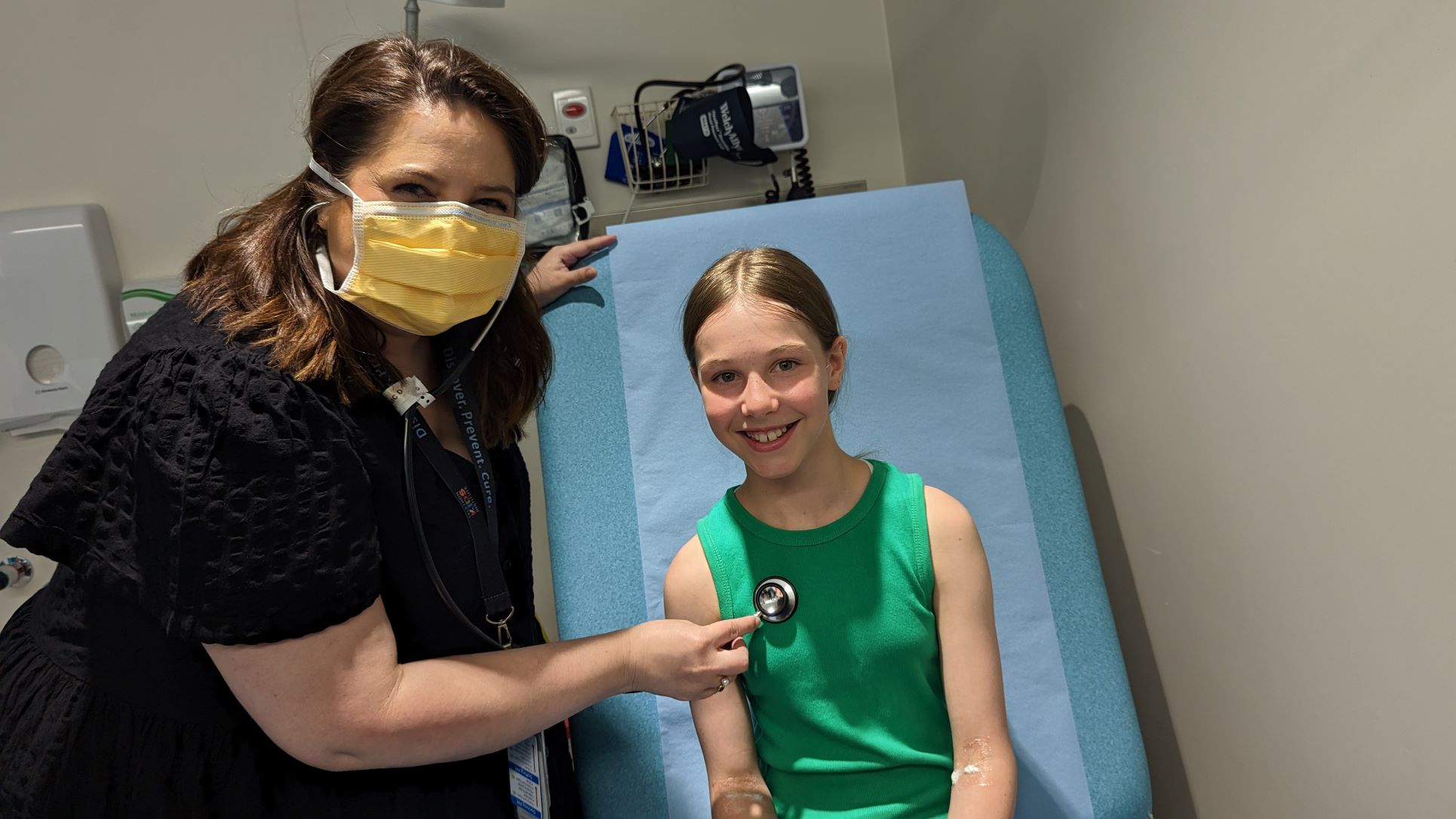
Tiny babies could soon have much-needed protection from community transmission of potentially deadly whooping cough thanks to a world-first nasal spray vaccine being trialed at The Kids Research Institute Australia.

New collaborative research involving almost 600,000 pregnant mothers has demonstrated a dramatic increase in uptake of the whooping cough (pertussis) vaccine after identifying just 22 per cent of WA women had the maternal vaccination between 2012 – 2017.

Toddlers will now get an additional whooping cough vaccine to protect them against the potentially deadly disease.

An extra whooping cough vaccination for babies comes as a result of work by researchers at the Wesfarmers Centre of Vaccines and Infectious Diseases.