
Search

A ground-breaking global clinical trial to improve the lifelong lung health of children born extremely prematurely has been awarded a Medical Research Future Fund (MRFF) International Clinical Trials Collaborations Grant totalling almost $3 million.
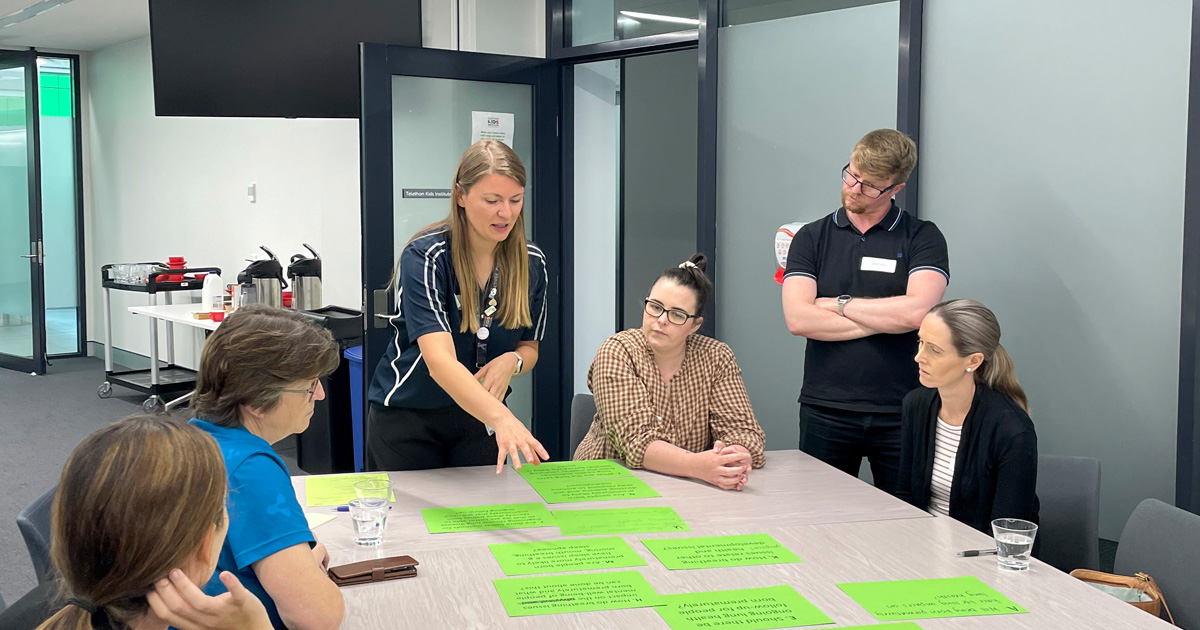
Respiratory disease remains one of the most significant complications of preterm birth, with lasting consequences.
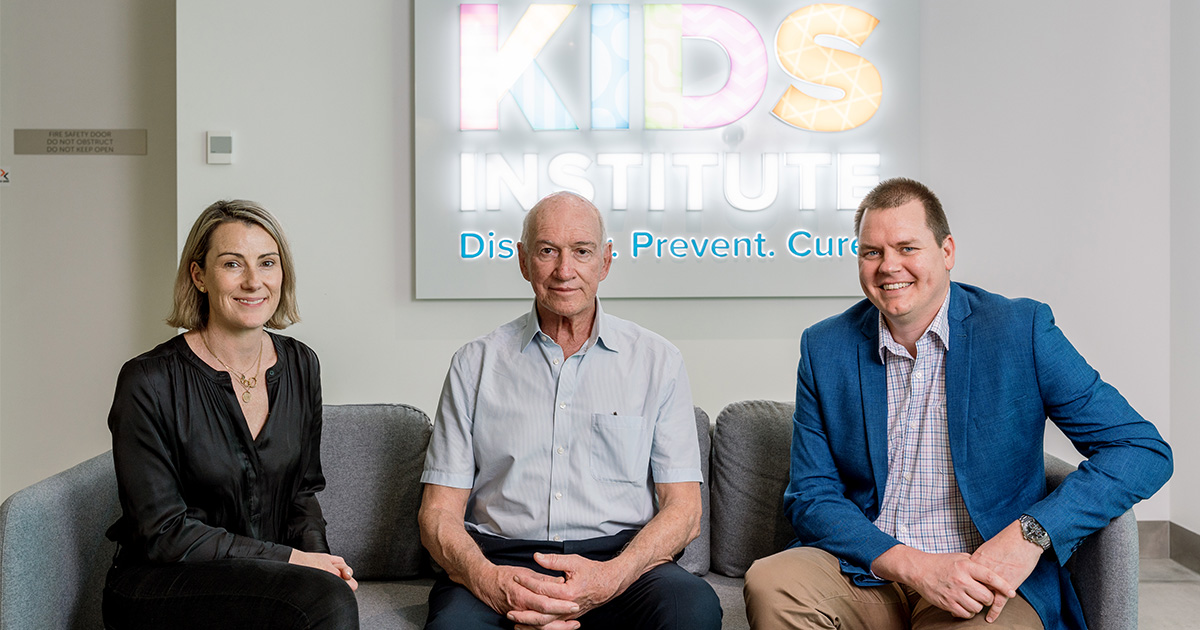
A The Kids Research Institute Australia spin-off company, Inspiring Holdings Pty Ltd (Inspiring), has been announced as winner of the Wesfarmers Wellbeing Platinum Award in the prestigious WA Innovator of the Year awards for their novel Universal Spacer System – a device which improves the delivery of inhaled dru

Four The Kids Research Institute Australia researchers have received prestigious fellowships and four significant cohort studies led or co-led by The Kids have received key grants under two new funding programs supported by the State Government’s Future Health Research and Innovation (FHRI) Fund.

Valuable support from the Stan Perron Charitable Foundation will enable The Kids Research Institute Australia researchers to commence projects on topics ranging from disability, mental health and lung disease to diabetes, Aboriginal leadership, and the development of child-focused pandemic policies.
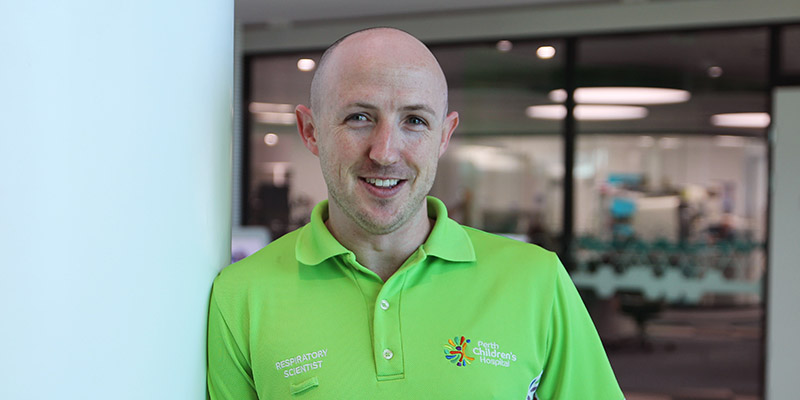
Parents of children born prematurely have expressed concerns about their child’s lung health when they exercise, with symptoms such as breathlessness.
Preterm birth is associated with lifelong respiratory sequelae, yet our understanding of lung function trajectories across the lifespan remains limited. We aimed to identify patterns of spirometry development from childhood to early adulthood in survivors of very preterm birth using novel data-driven methods.
Limited evidence suggests that airway epithelial structure and function is disrupted in very preterm infants; however, the epithelial morphology and physiology has not been well characterised following discharge from neonatal intensive care. This study aimed to characterise the nasal airway epithelium from 1-year-old survivors of very preterm birth.
Mycobacteroides abscessus (MABS) is within the non-tuberculous mycobacteria family. It inhabits soil and water, exhibits multi-antibiotic resistance and causes opportunistic lung infections, which may progress to symptomatic MABS-pulmonary disease (MABS-PD) associated with substantial morbidity, increased healthcare utilisation, impaired quality of life and increased mortality.
Despite a high burden of respiratory disease among infants globally, limited options exist for lung function testing in this age group. Tidal breathing techniques such as oscillometry allow for understanding the pathophysiology of diseases that originate early in life, thus providing the opportunity to develop timely prevention and treatment strategies.