Skip to content

Search

Motor problems in autism: Co-occurrence or feature?

Motor features of autism have long been acknowledged by clinicians, researchers, and community stakeholders. Current DSM-5 and ICD-11 guidelines allow clinicians to assign a co-occurring diagnosis of developmental [motor] coordination disorder for autistic individuals with significant motor problems.

Genomic analyses in Cornelia de Lange Syndrome and related diagnoses: Novel candidate genes, genotype–phenotype correlations and common mechanisms

Cornelia de Lange Syndrome (CdLS) is a rare, dominantly inherited multisystem developmental disorder characterized by highly variable manifestations of growth and developmental delays, upper limb involvement, hypertrichosis, cardiac, gastrointestinal, craniofacial, and other systemic features.

Clinical Phenotype in Individuals With Birk-Landau-Perez Syndrome Associated With Biallelic SLC30A9 Pathogenic Variants

Birk-Landau-Perez syndrome is a genetic disorder caused by biallelic pathogenic variants in SLC30A9 presenting with a complex movement disorder, developmental regression, oculomotor abnormalities, and renal impairment. It has previously been reported in 2 families. We describe the clinical phenotype of 8 further individuals from 4 unrelated families with SLC30A9-related disease.

Factors influencing public perceptions of child neglect: A mixed methods study

More than 1 in 5 children experience neglect, exposing them to several adverse consequences. Children with intellectual disability experience additional neglect related challenges. Public perceptions significantly influence the identification, intervention, and prevention of child neglect. 

Profiling the Longitudinal Development of Babbling in Infants with Cerebral Palsy: Validation of the Infant Monitor of Vocal Production (IMP) Using the Stark Assessment of Early Vocal Development-Revised (SAEVD-R)

We compared early vocal development in children "at risk" for cerebral palsy (CP) with typically developing (TD) infants aged 6 to 15 months using the SAEVD-R, investigating potential pre-linguistic markers of communication impairment. Additionally, we sought to examine the agreement between the SAEVD-R and IMP, which uses parent report, in identifying departure from typical vocal development in at-risk infants.

Digenic Congenital Hypogonadotropic Hypogonadism Due to Heterozygous GNRH1 p.R31C and AMHR2 p.G445_L453del Variants

A 28-year-old man with congenital hypogonadotropic hypogonadism (CHH) was found to be heterozygous for the GNRH1 p.R31C mutation, reported in the literature as pathogenic and dominant. The same mutation was found in his son at birth, but the testing of the infant at 64 days confirmed the hormonal changes associated with minipuberty.

Dexcom G6 Early Access Program Update

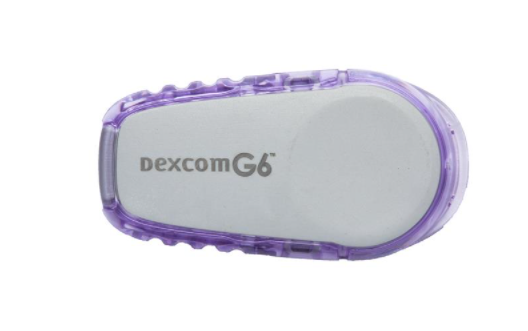
The Dexcom G6 Early Access Program has so far been a huge success. The program commenced in May, and offered early access to the Dexcom G6 system to eligible patients.

Neurocognitive and self-reported psychosocial and behavioral functioning in siblings of individuals with neurodevelopmental conditions: a study using remote self-administered testing

This study compared and explored the neurocognitive profiles of siblings of persons with and without neurodevelopmental conditions (NDCs) and associations between objective test performance and self-reported psychosocial functioning. 

A brief history of MECP2 duplication syndrome: 20-years of clinical understanding

MECP2 duplication syndrome (MDS) is a rare, X-linked, neurodevelopmental disorder caused by a duplication of the methyl-CpG-binding protein 2 (MECP2) gene-a gene in which loss-of-function mutations lead to Rett syndrome (RTT). MDS has an estimated live birth prevalence in males of 1/150,000.

New Study: Water Survey UWA

There is evidence that physical activity is well known to increase the risk of hypoglycaemia in people with type 1 diabetes. However, little is known about the effect of water-based activities on blood glucose levels.
Child protection involvement of children of mothers with intellectual disability

Children born to parents with intellectual disability (ID) have been shown as disproportionally represented in child protection services however with limited population-based research.

Childhood Systemic Lupus Erythematosus: Presentation, management and long-term outcomes in an Australian cohort

Systemic Lupus Erythematosus (SLE) is a serious autoimmune disease often resulting in major end-organ damage and increased mortality. Currently, no data exists focussing on the presentation, long-term management and progression of SLE in the Australian paediatric population.

Mark Shah wins award

Congratulations to PCH Nurse Practitioner Mark Shah, winner of the WA and Australian Credential Diabetes Educator of the Year awards 2021.

Change of details?

Recently moved or updated your phone number? If so, please let us know here at PCH’s Diabetes Clinic so we can keep you up to date with clinic information.

Control IQ

Control IQ (CIQ) is an advanced hybrid closed loop system designed to ease the burden and stress involved in the daily decision making around diabetes management.

Dexcom G6 Early Access Program

The Children’s Diabetes Centre at Perth Children’s Hospital is excited to announce that we have successfully acquired limited supplies of the Dexcom G6 continuous glucose monitoring system.

New The Kids Discovery Schools Program

We have just launched the Telethon Kids Discovery Centre Schools Program for 2021. The program is FREE for Terms 1 and 2 and is a great opportunity for schools to pilot an educational science excursion at no cost.

New CGM study kicks off

Meet Winter and Fox. The siblings are the first two participants in Australia to become involved in a new study using continuous glucose monitoring for measuring blood glucose levels in children at high risk of developing type 1 diabetes but who are not yet showing clinical signs of the condition.

JDRF podcast with Liz

Have you had the chance to listen in on JDRF Australia’s T1D Tune In interview with Professor Liz Davis?