
Search
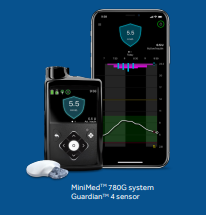
The Guardian 4 sensor have recently been approved by the Therapeutic Goods Administration for use in Australia.
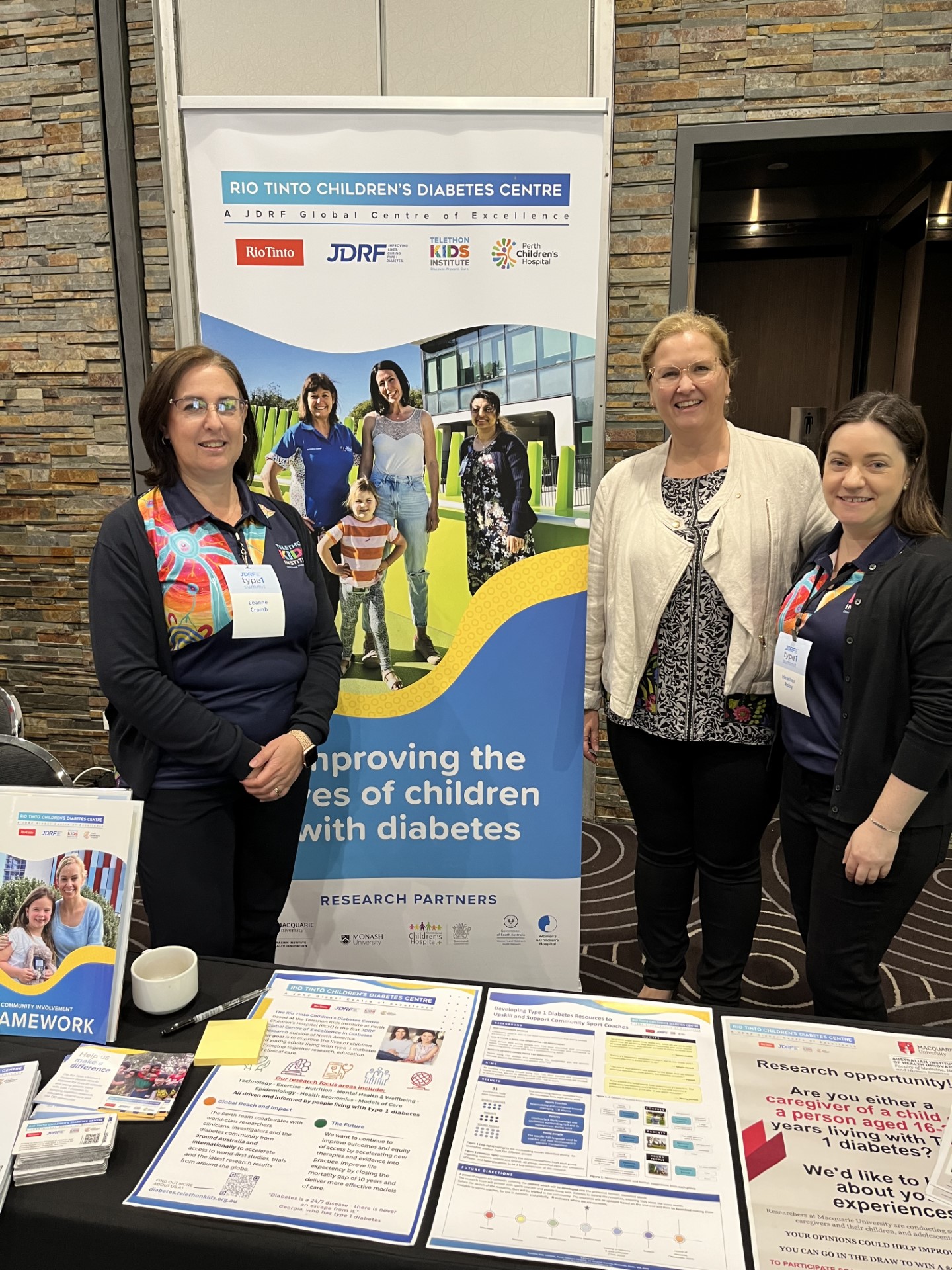
The Rio Tinto Children's Diabetes Centre were invited to attend this year's JDRF Type One Summit in Sydney where the T1D community came together to "share knowledge and gain strength and inspiration from others in the T1D community - JDRF Australia"
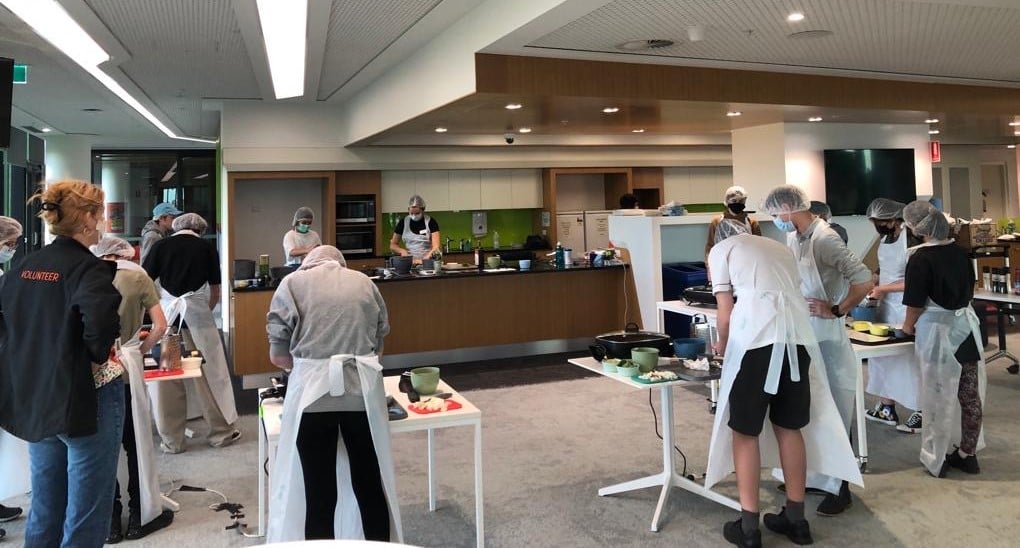
An innovative cooking program, the first of its kind in Australia, is being offered at Perth Children’s Hospital, combining nutrition education and practical cooking skills for teenagers living with type 1 diabetes (T1D).

The Rio Tinto Children’s Diabetes Centre has recently commenced an exciting new project to integrate diabetes data from many different sources so that it can be used more effectively to help people living with diabetes. The DiabHQ project will bring together data that is currently housed in many sep
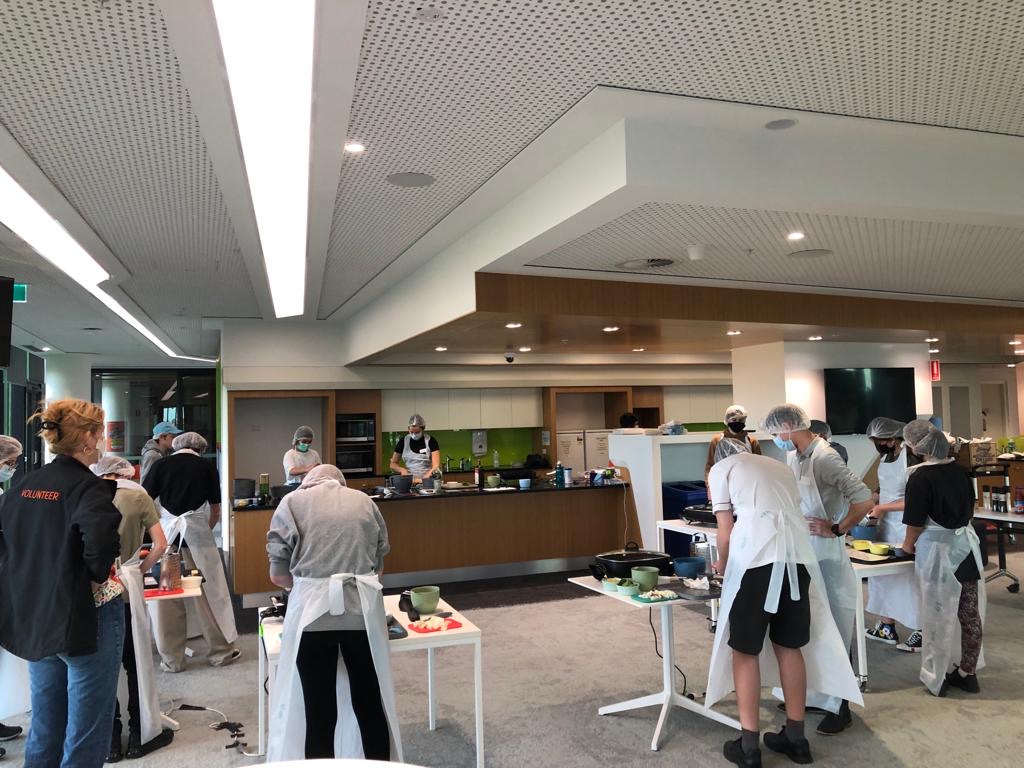
the Teaching Kitchens program will start again on Thursday March 9 from 5-7pm, running for four weeks (every thursday evening).

The Rio Tinto Children’s Diabetes Centre; a JDRF Global Centre of Excellence announces inaugural funding for researchers dedicated to type 1 diabetes.

The Perth Children’s Hospital (PCH) Adolescent Diabetes Service (ADS) clinics have had several updates thanks to your feedback, including the introduction of “Welcome to Ads group sessions” for teenagers.

Kids living with type 1 diabetes got to hang out with peers and have a lot of fun at the Diabetes WA and Perth Children’s Hospital kids’ camp in Bicton recently.
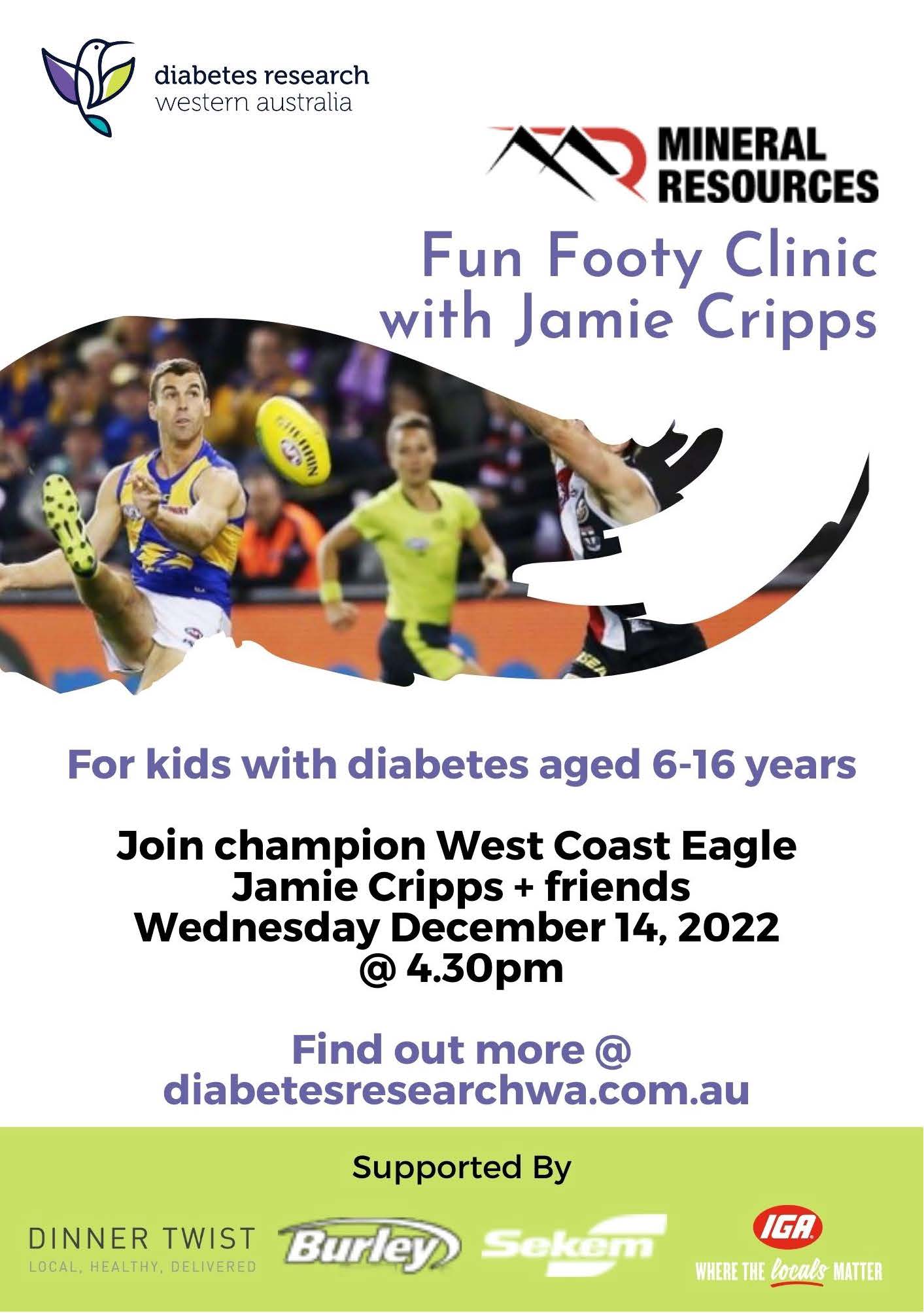
Diabetes Research Western Australia (DRWA) are inviting children aged 6-16 living with type 1 and type 2 diabetes to join West Coast Eagles forward Jamie Cripps for a fun-filled footy clinic.
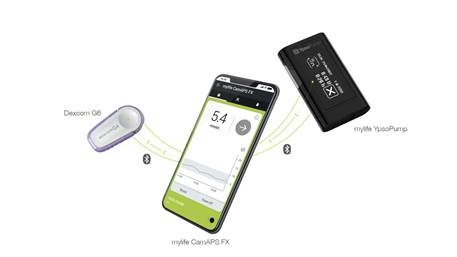
The new automated insulin delivery system by MyLife Diabetes Care is now available on android devices from October 24, 2022.