
Search
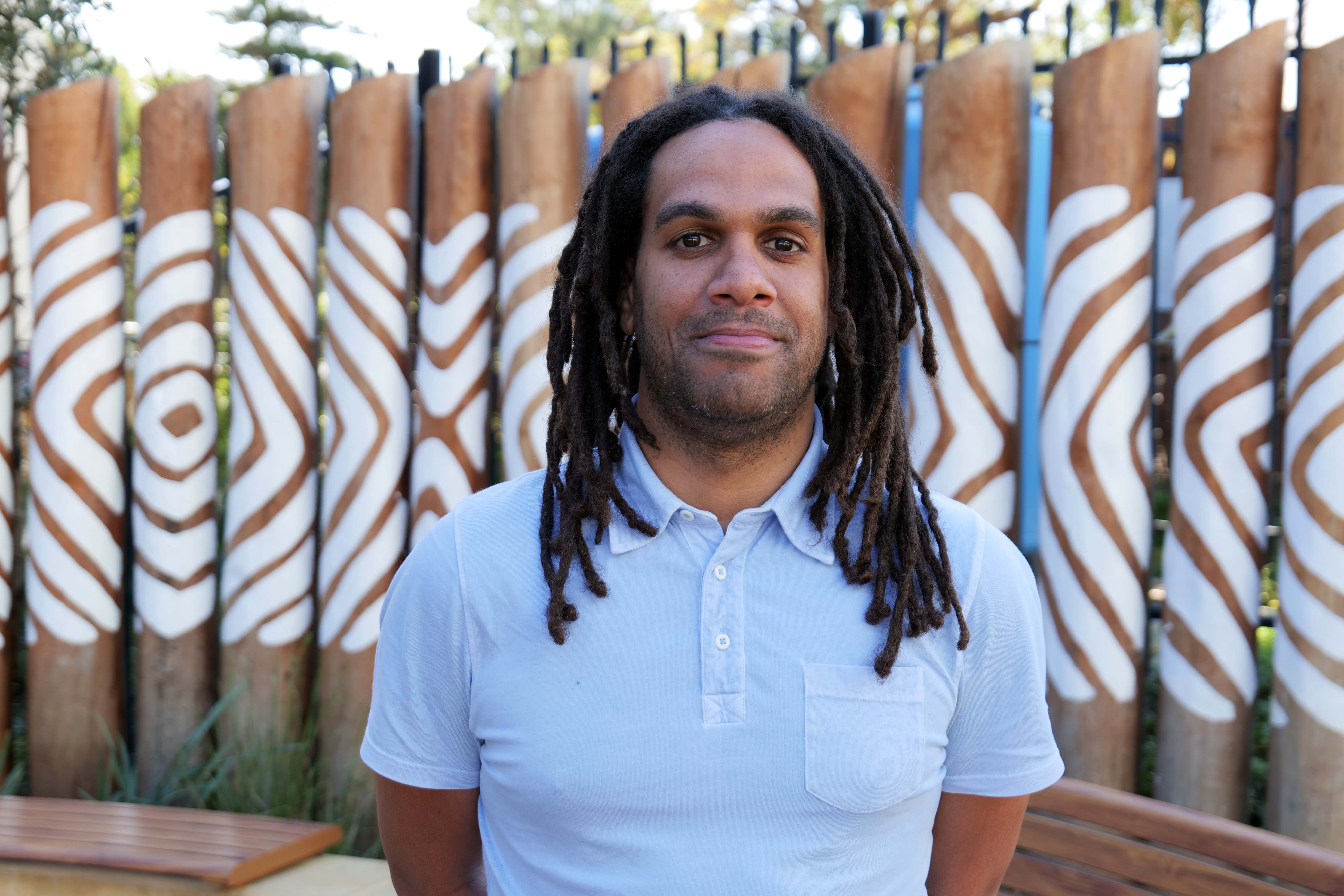
Raheen Williams' staff profile

Amanda is a Certified Child Life Specialist and has a Bachelor of Science in Psychology and Master of Arts in Education with an emphasis on Child Life in Hospitals and Early Childhood Education.
Dissociation is the act of separating oneself from reality and is often used by children and young people to disconnect from traumatic experiences.

The impact of colonisation, genocide, and continuing discriminatory policies have created a context for ongoing disadvantage, trauma, and high rates of mental health issues for Aboriginal and Torres Strait Islander young people.
Aboriginal and Torres Strait Islander Peoples are custodians of one of the oldest living societies; however, the continued impact of colonisation has led to profound trauma and loss which has spanned generations.
The construct of empowerment is associated with beneficial outcomes in numerous populations with well-being across multiple domains. Within families, empowerment has been found to be related to both parent and child well-being. As such, empowerment appears to be a promising concept to support parents of young (< 18 years) trans and gender diverse children and adolescents; however, what empowerment means for parents of trans children and adolescents is not known.
Dissociation can exist along a continuum from normal developmental experiences to severe and contributing to persistent mental illness and impeding normal development. It can also occur as a discreet symptom in a range of disorders or as a disorder itself, and can change depending on a number of factors such as the age and stage of development.
Culturally unsafe mental health services contribute to persistent inequities for Aboriginal and Torres Strait Islander peoples, yet existing cultural safety frameworks lack clear, prioritised, community-endorsed implementation guidance. This study aimed to establish Aboriginal consensus on cultural safety principles, implementation priorities and practical actions for culturally safe mental health services.
Dissociative disorders in children and young adolescents are under-recognised and under-treated. Current diagnostic criteria rely on downward extensions of adult models and do not adequately consider developmental differences in younger populations. This reliance risks overlooking symptom patterns that may be unique in childhood, thereby perpetuating diagnostic gaps and delayed treatment.
Stigma towards individuals with mental health concerns is a global issue, including among young people at ultra-high risk (UHR) for psychosis. This study compared two written anti-stigma resources: (a) Education and (b) Lived Experience + Education, among young adults and parents/caregivers.