
Search
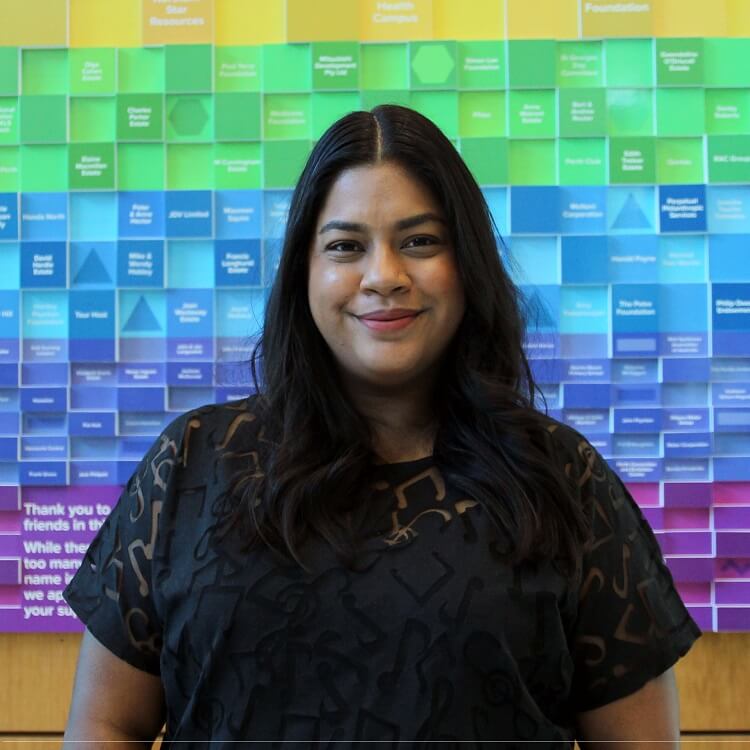
Congratulations to Dr Gail Alvares and Dr Rachel Foong, who have been awarded funding from the Raine Medical Research Foundation.
Eight The Kids Research Institute Australia researchers are among those who have received grant funding from the Telethon-Perth Children’s Hospital Research Fund (TPCHRF).
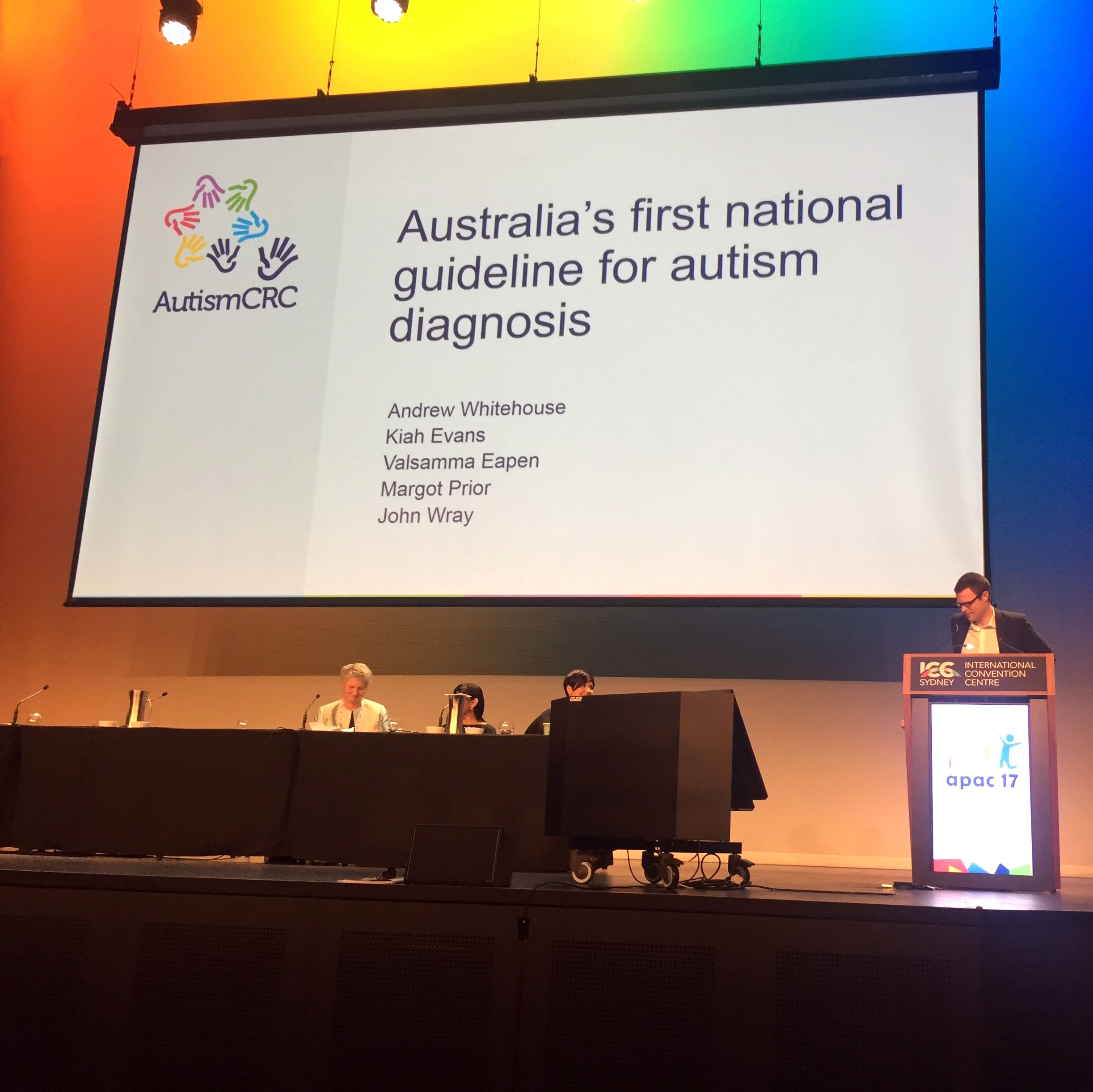
Australia’s first draft national guideline for autism diagnosis has today been released for public consultation.
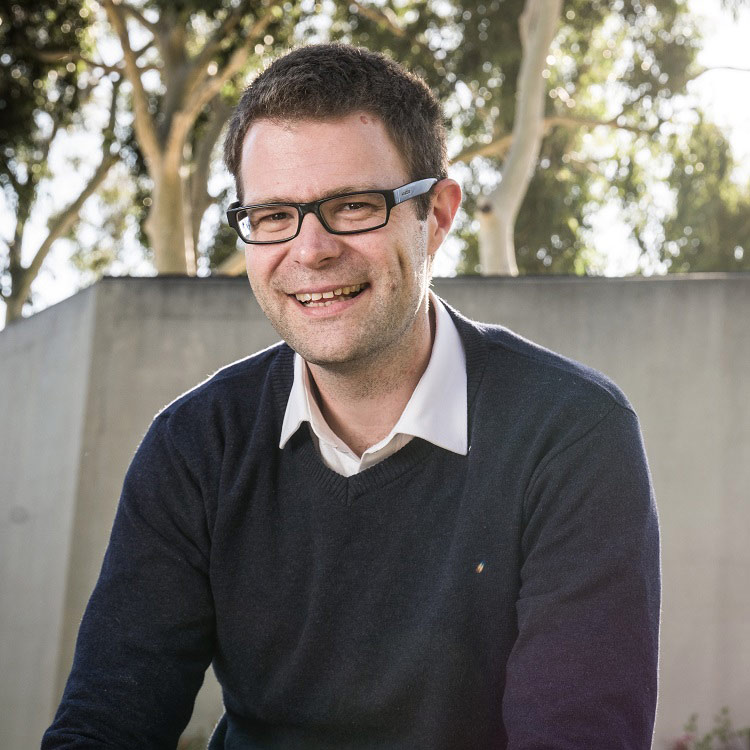
Professor Andrew Whitehouse awarded the most prestigious award in the country for young researchers – the 3M Eureka Prize for Emerging Leader in Science.
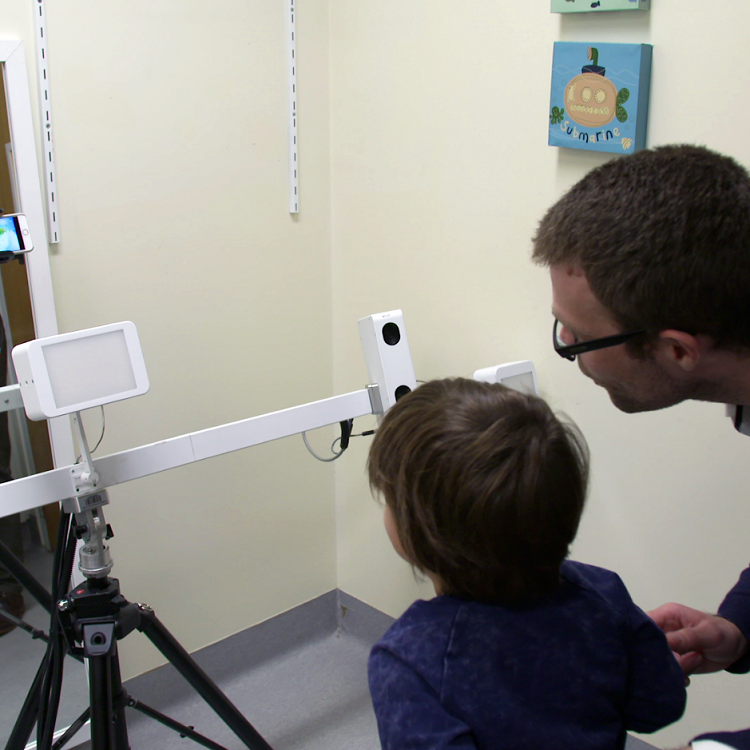
A new study led by The Kids Research Institute Australia has found a link between masculine facial features and autism.
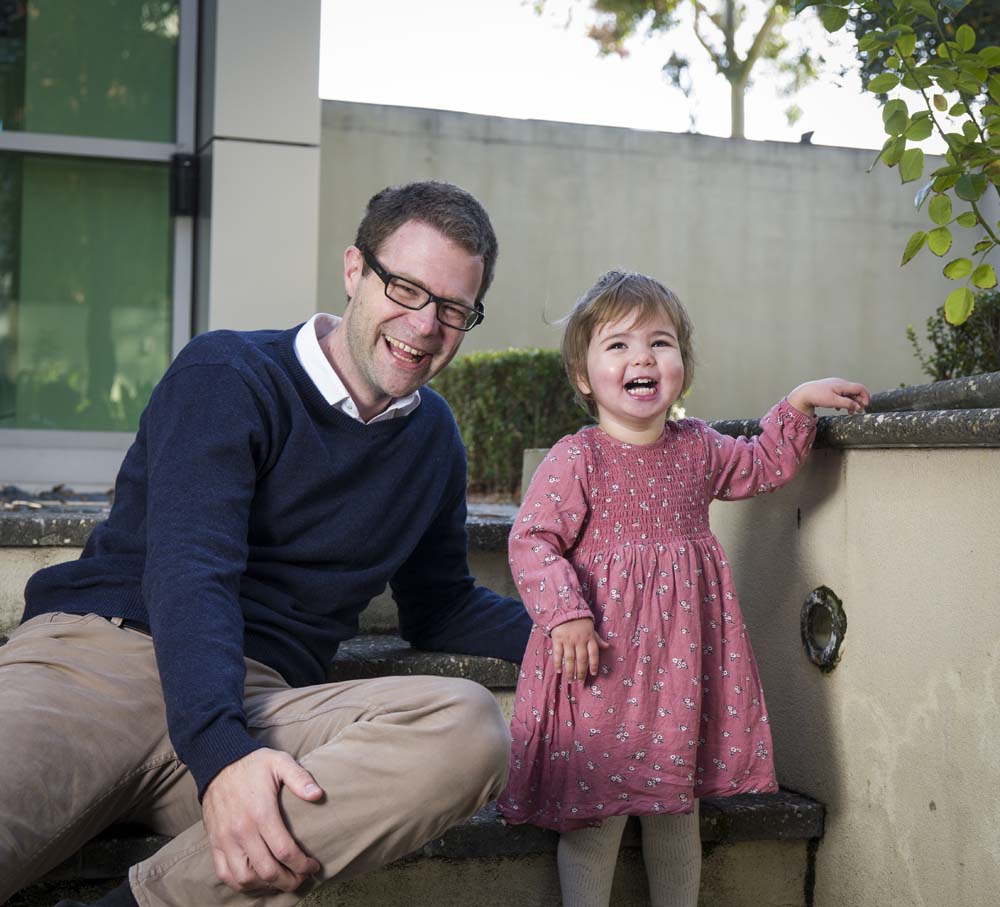
Autism researcher, Professor Andrew Whitehouse from The Kids has been named a finalist in the Eureka Prize for Emerging Leader in Science
Clinicians across Australia are looking forward to the release of the country’s first national guidelines for the diagnosis of autism.
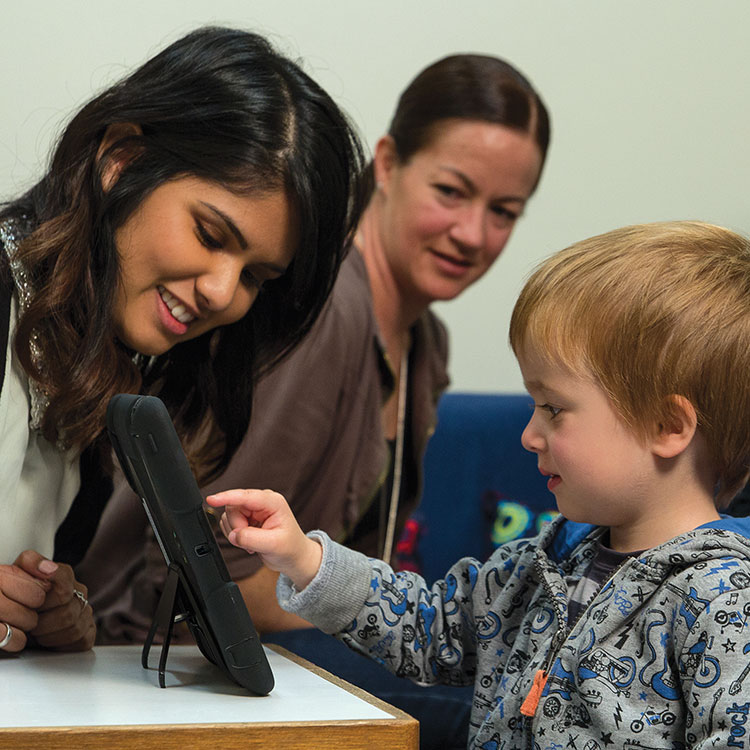
A The Kids Research Institute Australia study has shown that in addition to intervention with trained therapists, children with autism may benefit from app-based therapies.
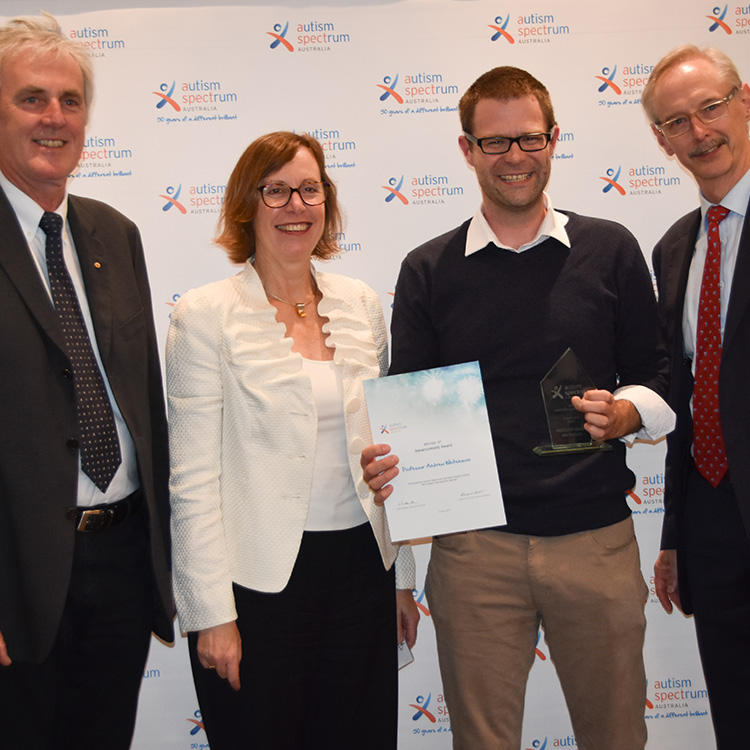
Professor Andrew Whitehouse has been awarded an Autism Spectrum Australia Recognition Award for his work communicating scientific findings to families.
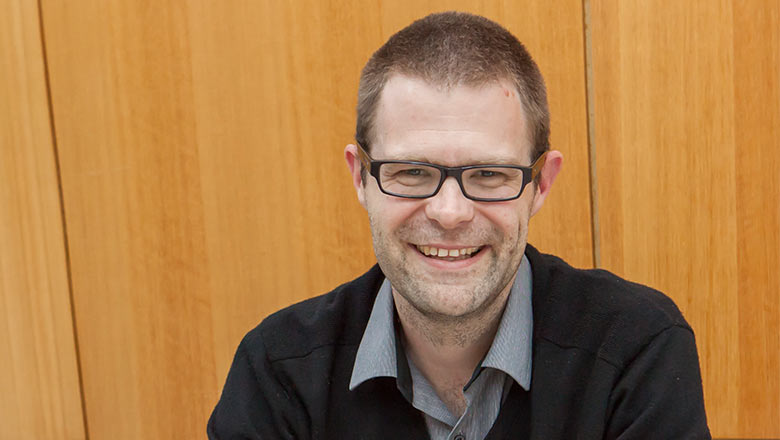
Andrew Whitehouse has been listed in the WA Business News 40 under 40 awards recognising accomplished and dynamic young leaders in Western Australia.