
Search
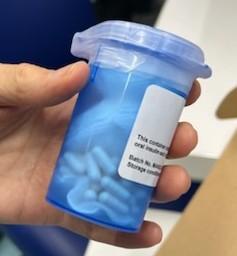
Diabetes researchers from Perth Children’s Hospital would like to find out whether oral insulin is useful in T1D management and is safe for use in individuals with T1D. They are looking for participants aged 16 – 25 years to be involved in their Oral Insulin 12-week study.

Summer holidays here we come! The holidays are finally here and while a lack of routine is welcomed by most, being out of routine can be challenging
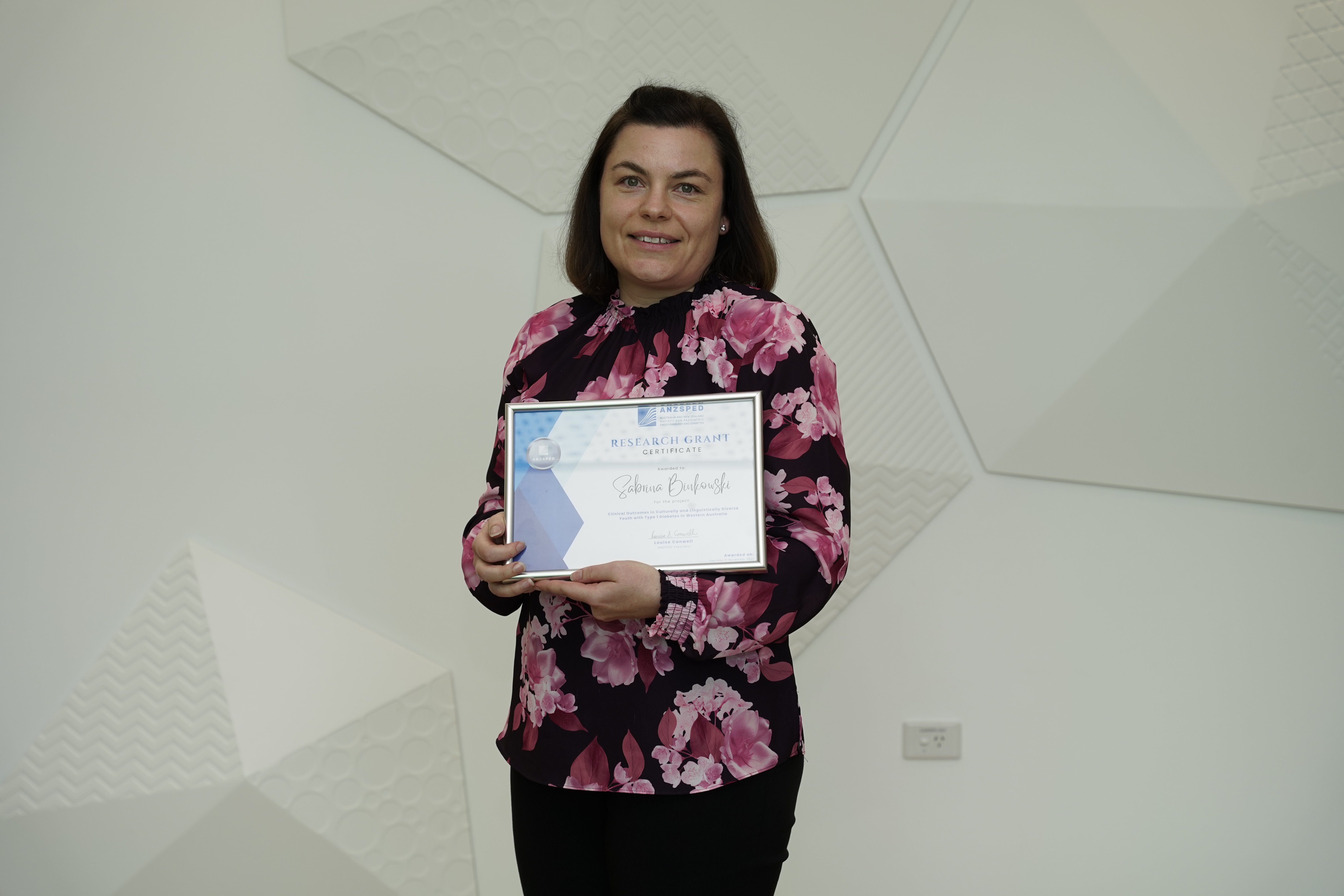
Congratulations to Dr Sabrina Binkowski from Rio Tinto Children's Diabetes Centre, who was awarded the ANZSPED research grant award of $20,000, at

Researchers from the Rio Tinto Children’s Diabetes Centre, a JDRF Global Centre of Excellence, have been awarded funding through the WA Child Research Fund (WACRF) to undertake research that aims to remove barriers and provide access to the most effective diabetes technologies for all children newly
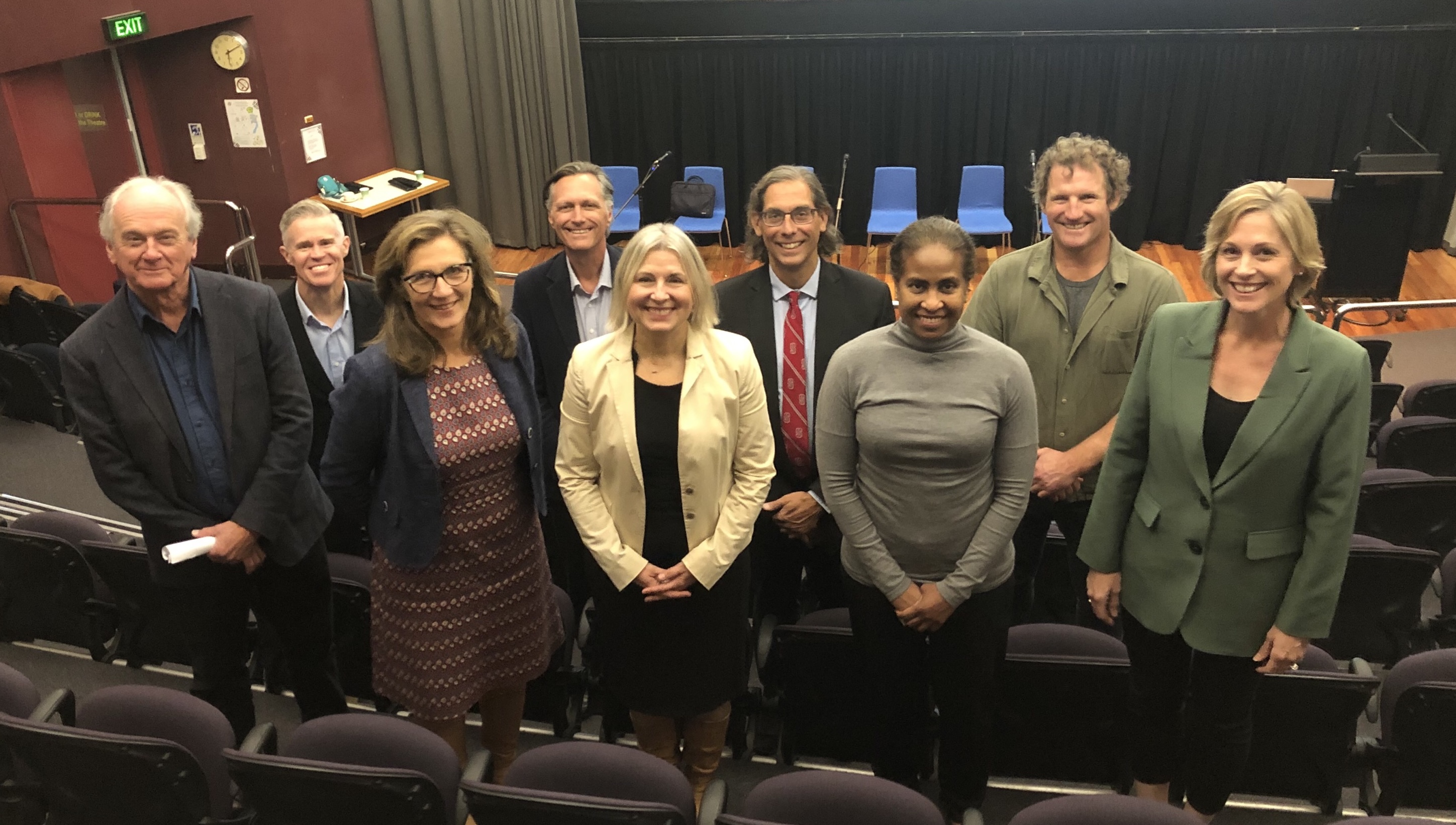
During the Community Forum, we had lots of fantastic questions for our guest speakers, researchers and diabetes health experts, but ran out of time to answer them all. We collected the list of questions and our expert team have kindly provided the answers below.
We are excited to announce that applications are now open for our PhD scholarships and our Honours/Masters scholarships to support students pursuing
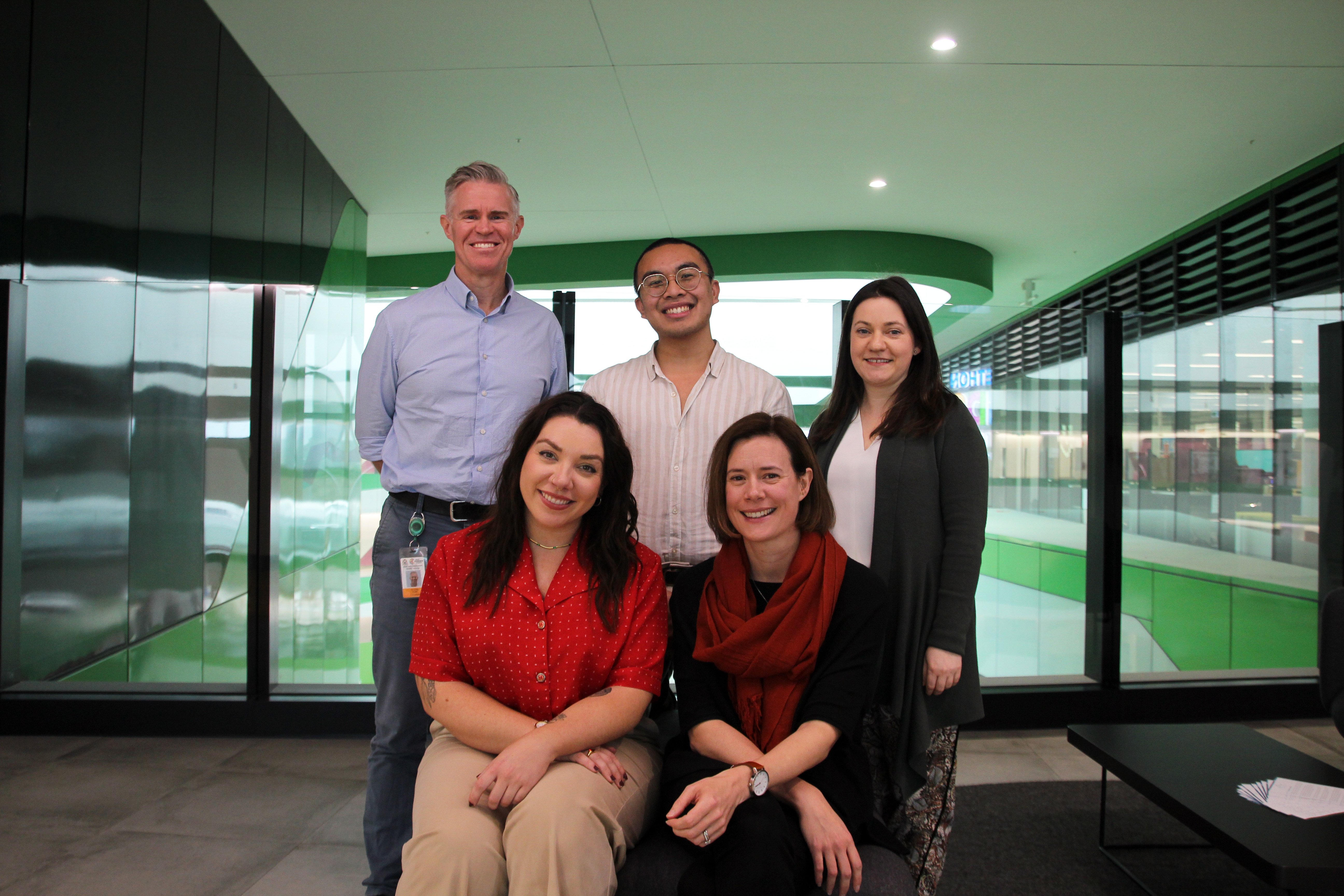
Congratulations to our Rio Tinto Children's Diabetes Centre mental health and wellbeing team who, in partnership with the Embrace childhood trauma
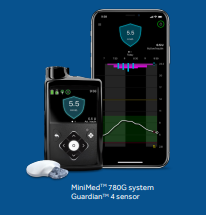
The Guardian 4 sensor have recently been approved by the Therapeutic Goods Administration for use in Australia.
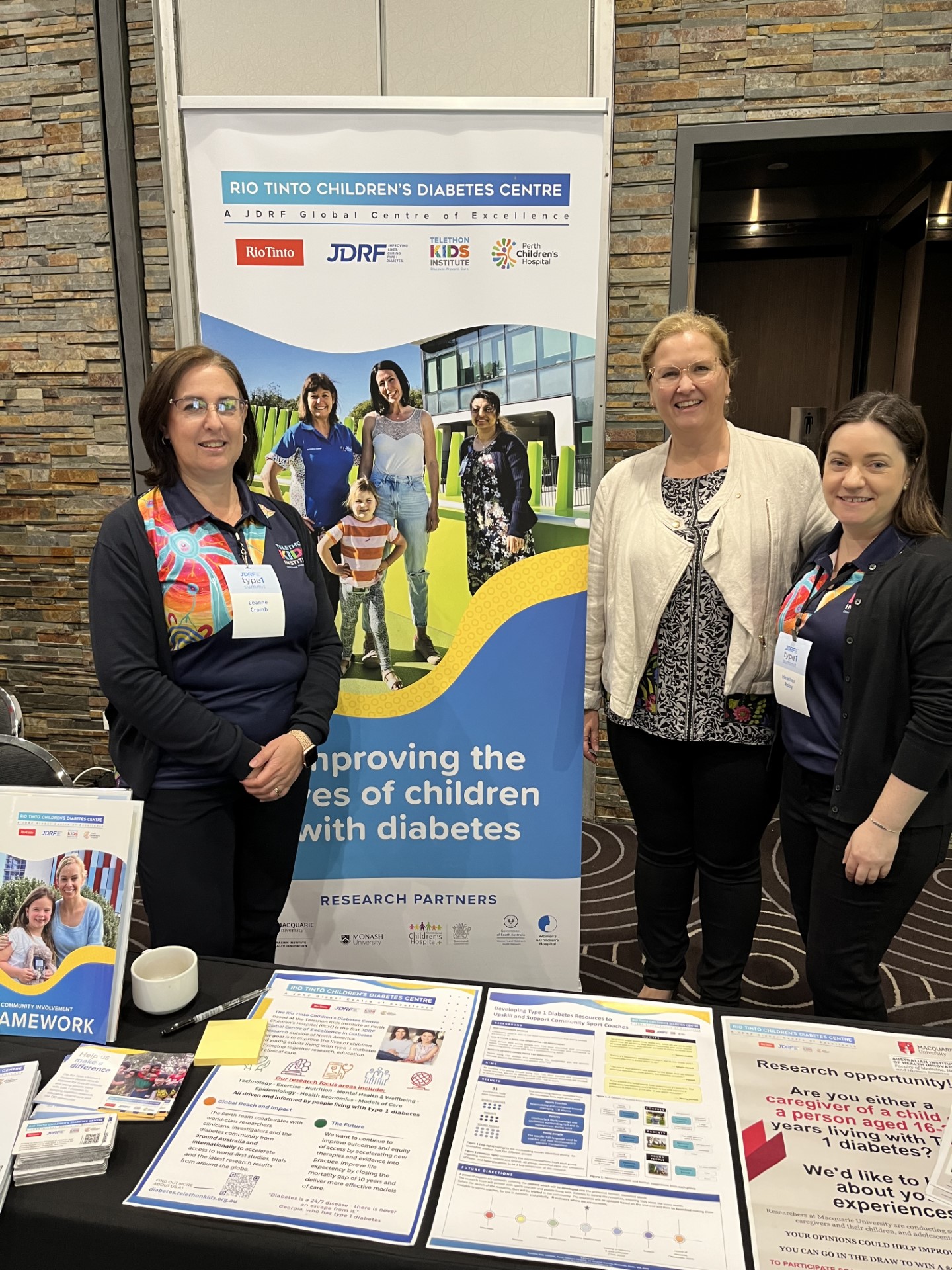
The Rio Tinto Children's Diabetes Centre were invited to attend this year's JDRF Type One Summit in Sydney where the T1D community came together to "share knowledge and gain strength and inspiration from others in the T1D community - JDRF Australia"
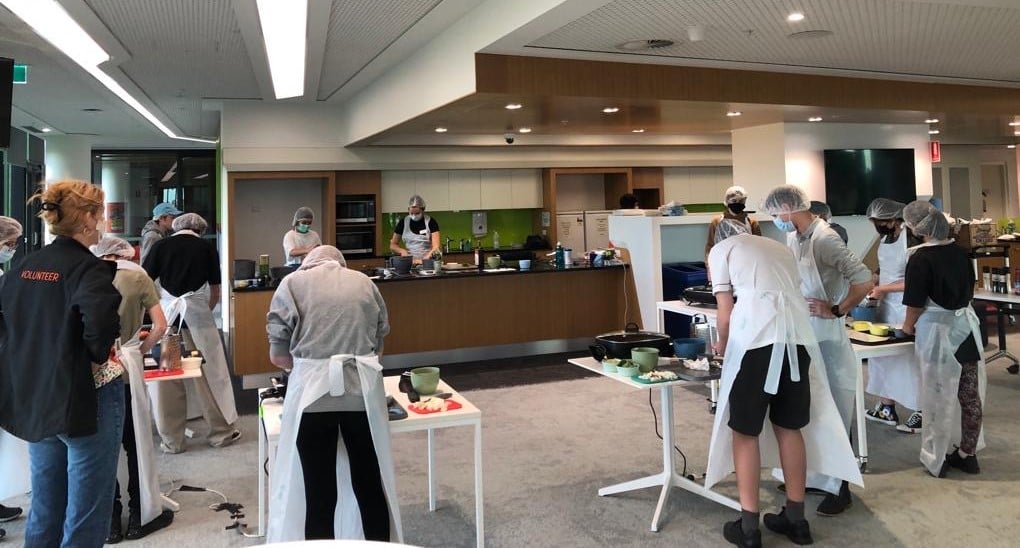
An innovative cooking program, the first of its kind in Australia, is being offered at Perth Children’s Hospital, combining nutrition education and practical cooking skills for teenagers living with type 1 diabetes (T1D).