
Search
Acute lymphoblastic leukaemia (ALL) is the most common paediatric malignancy and remains one of the most common causes of cancer-related death in children and adolescents. Five-year overall survival rates now exceed 90% with current multidrug chemotherapeutic regimens.
Body position and movement during sleep is assessed for both clinical and research purposes. A diverse array of both assessment tools and classification systems are used to capture and code sleep biomechanics data.
Pseudomonas aeruginosa infections in the lungs affect millions of children and adults worldwide. To our knowledge, no clinically validated prognostic biomarkers for chronic pulmonary P. aeruginosa infections exist. Therefore, this study aims to identify potential prognostic markers for chronic P. aeruginosa biofilm lung infections.
Cerebral palsy (CP) should not be considered as a diagnosis but as a label; it is an umbrella term, primarily affecting posture and mobility. The definition is not sufficiently precise to guarantee agreement as to which patients to include under this label, but the additional inclusion criteria required are not yet internationally standardised.
Epidemiology of cerebral palsy (CP) aims to describe the frequency of the condition in a population and to monitor its changes over time, and a guide to the management of patients. Classification of CP is an important step toward describing more homogenous subgroups of persons with CP.
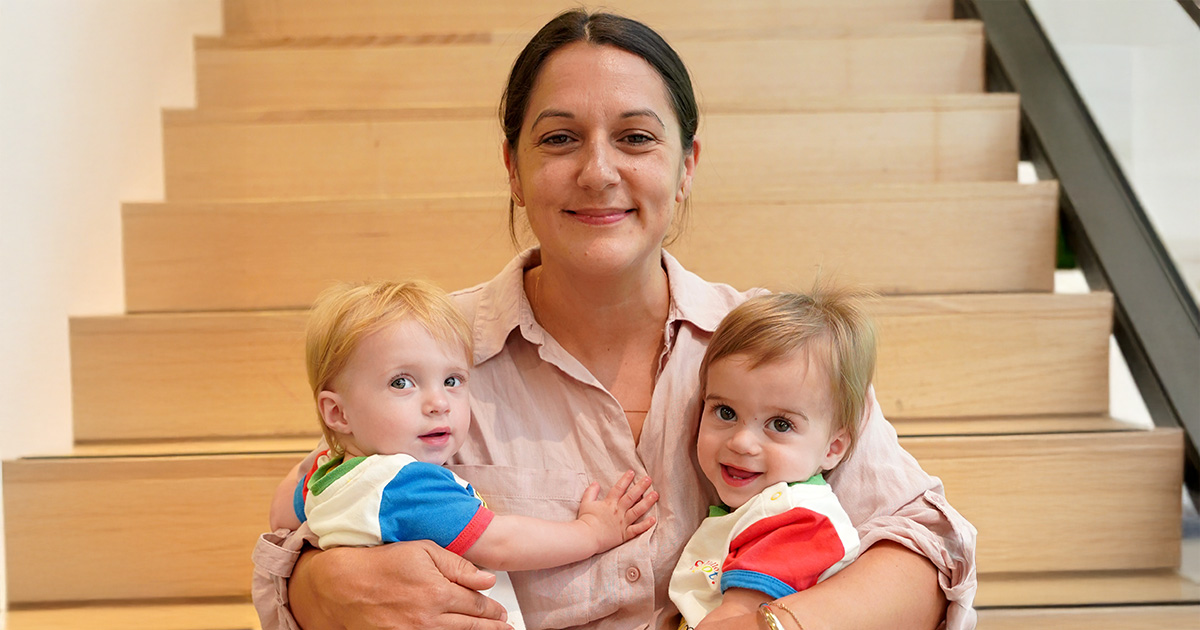
An Australian-first study, funded by Perth Children's Hospital Foundation, demonstrating the effectiveness of a new immunisation against respiratory syncytial virus (RSV) for babies found it to be almost 90 per cent effective in reducing hospitalisation rates.
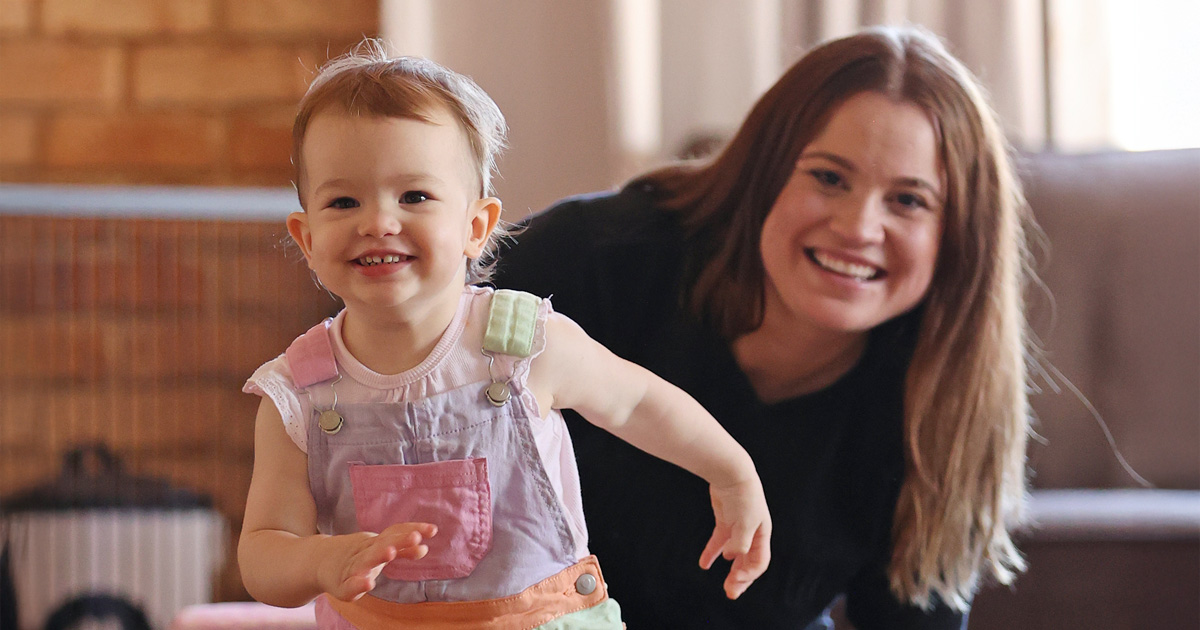
Imagine you had a healthy daughter one day and the next being told she has an incurable condition that requires day-to-day care and insulin treatment to stay alive.

We will leverage the unique Western Australian data linkage resources to undertake the definitive twin and sibling study of infection-related hospitalisation
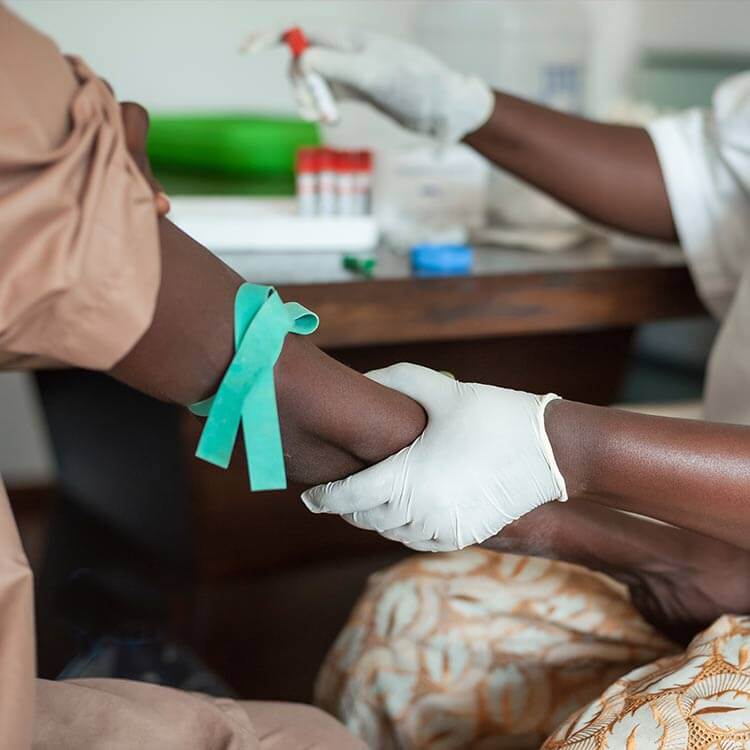
This study investigated host gene expression in response to new HIV infection.

A series of suicides among young people south of Perth in 2016 sparked a major overhaul of how support is offered to the people left behind after someone takes their own life.