
Search
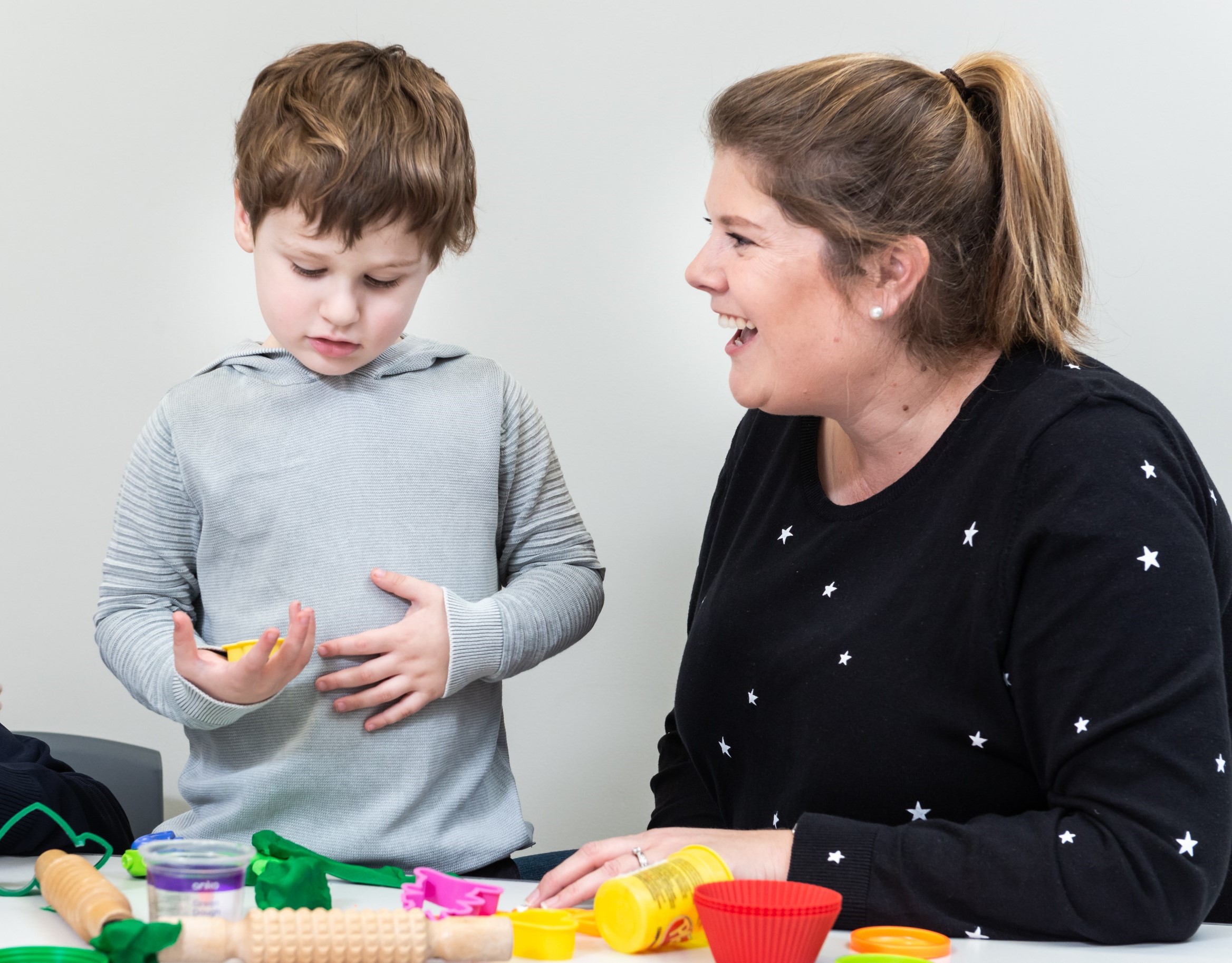
In this new blog, Senior Speech Pathologist and PACT therapist/trainer Sally Grauaug discusses the benefits of PACT, how it works and how clinicians become certified PACT therapists.
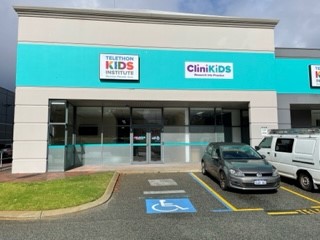
We are excited to announce that our new Joondalup clinic will be open at the start of Term 4!
CliniKids has two clinics - in Subiaco and also in Joondalup.
Senior Speech Pathologist
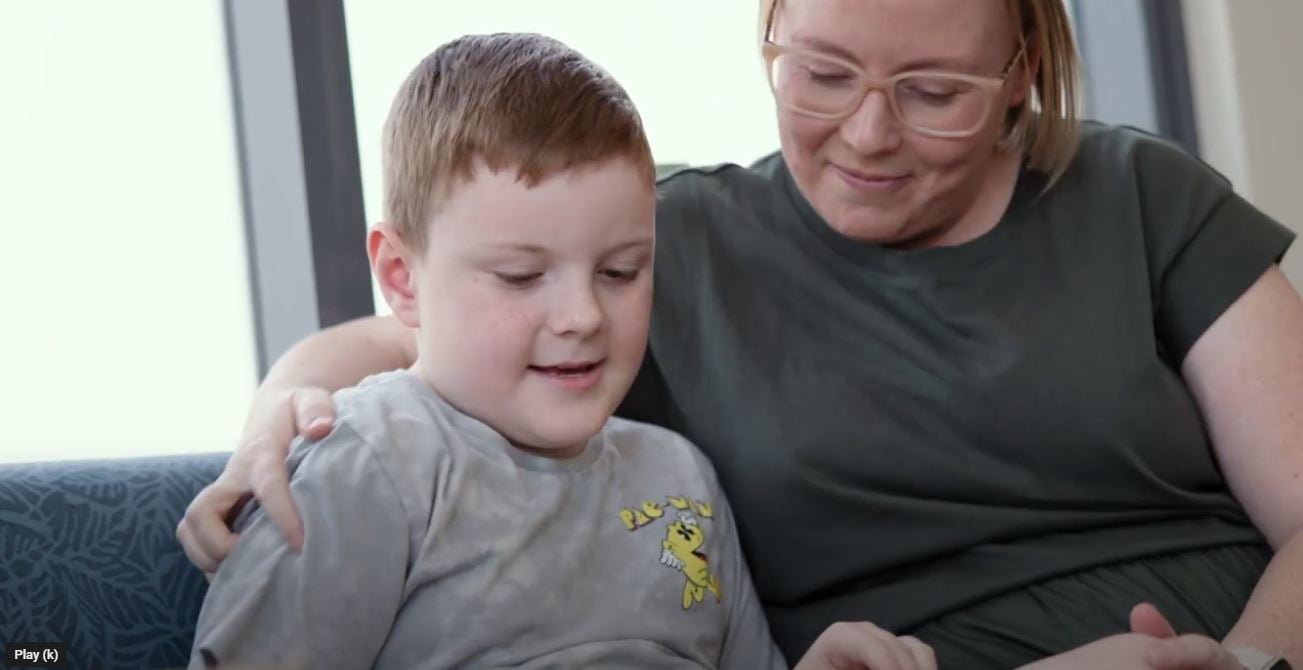
PACT is a program for caregivers of children who would like some additional support to understand their child’s communication.
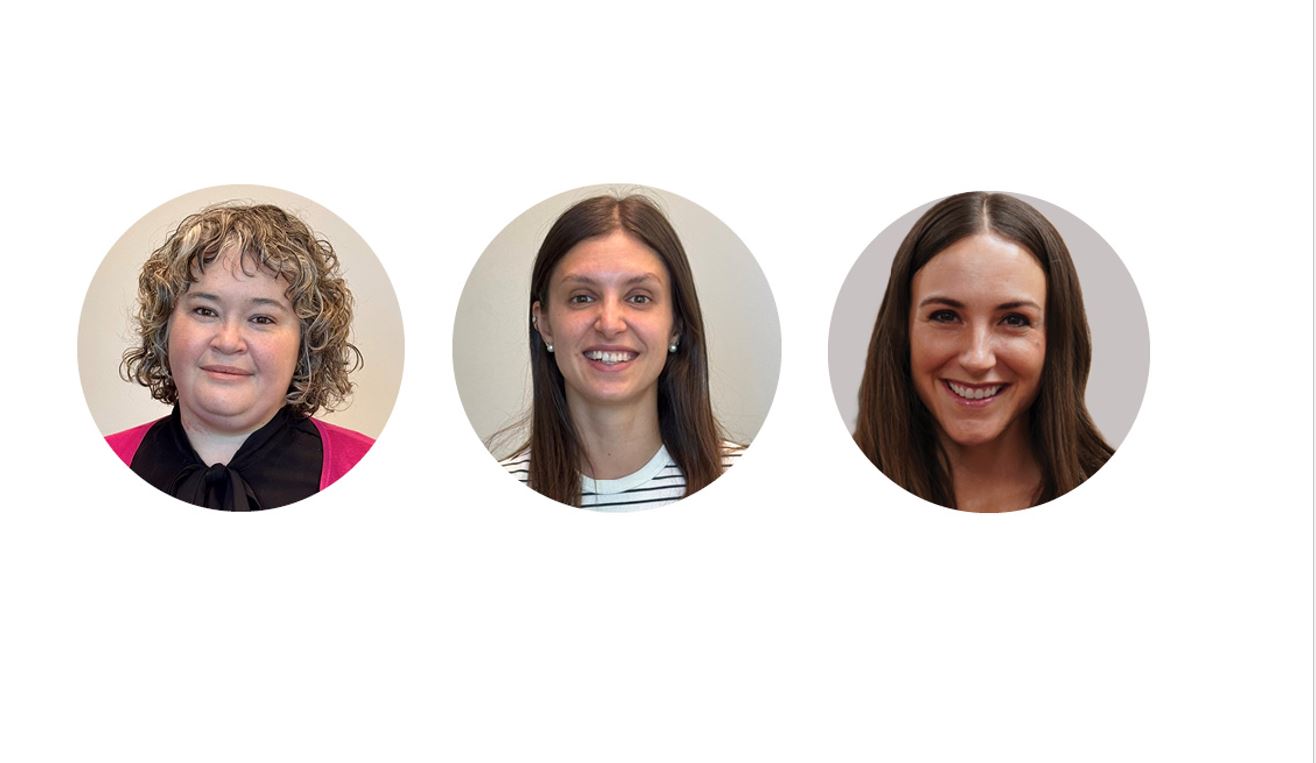
There’s a few new faces at in our clinical team.
Telehealth service delivery is used extensively in allied health to provide services to individuals who are not able to attend therapy sessions face to face.
FAQ about CliniKids, The Kids' clinical service for children with autism and/or developmental delays, and their families.
Evidence-based paediatric speech therapy in Perth, tailored to each child’s needs.
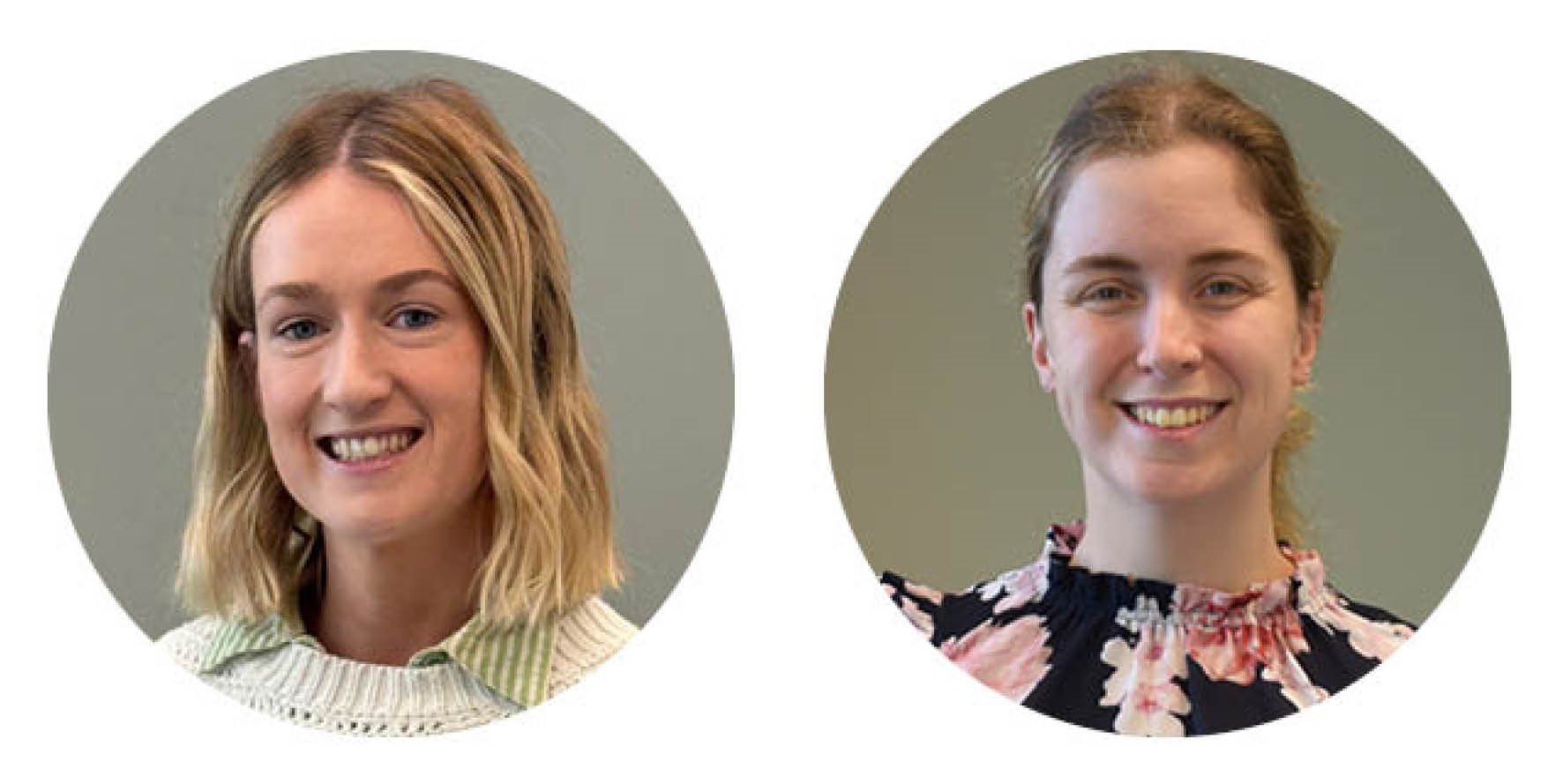
There’s a couple of new faces at our Joondalup clinic! Mikali is a Speech Pathologist and Katie is an Occupational Therapist. Both are taking on new clients.