Skip to content
The Kids Research Institute Australia logo
Donate

No results yet

Search

News & Events

Can protein lower the risk of hypos after exercise?

Participants are needed for a new study looking at whether protein after exercise can decrease the risk of delayed low blood glucose levels after exercise.

News & Events

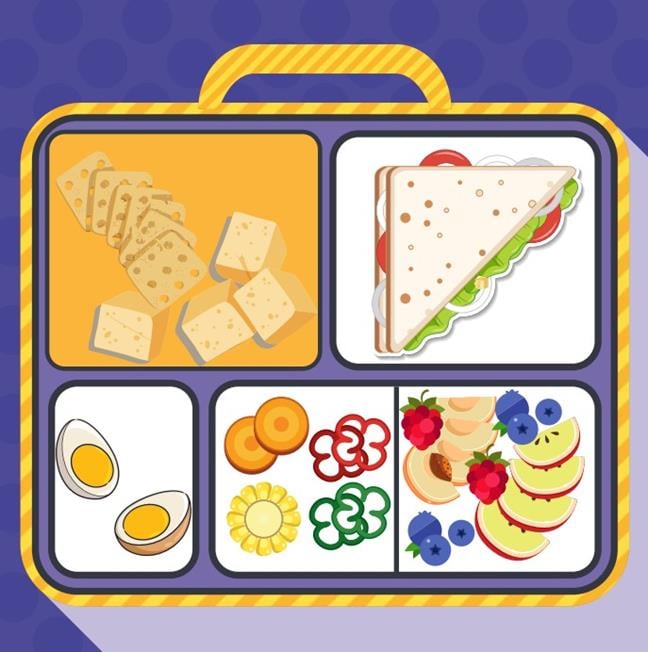
Healthy holiday habits

The school holidays and Christmas are a welcome break for most families but the lack of routine can prove a trying time for families living with Type 1 Diabetes

Powerhouse partnership

The Kids Research Institute Australia, Perth Children’s Hospital Foundation and Perth Children’s Hospital have formed a strategic partnership to support the establishment and operation of the Wal-yan Respiratory Research Centre.

News & Events

Mums' gut bacteria linked to babies’ health

Evidence is mounting that the bacteria in a mother’s digestive system, known as microbiome, can influence the health of babies.

Nature Play & Grow

Helping families to unlock the mental and physical health benefits of connecting with nature and community through outdoor play - easily, and locally.

News & Events

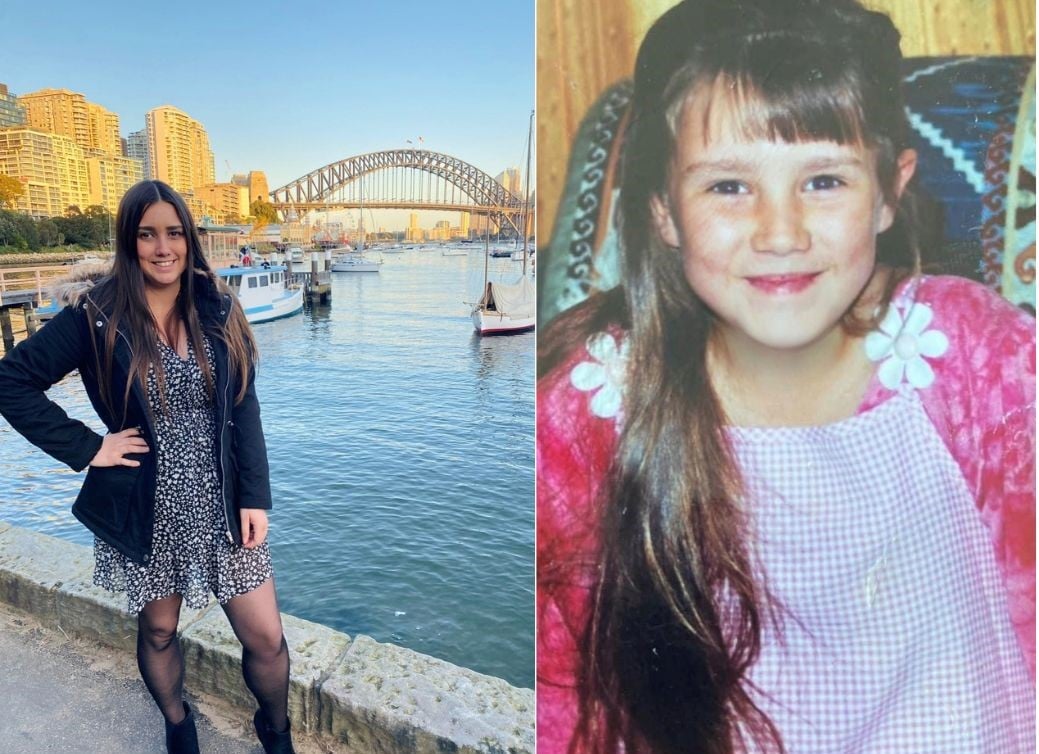
Bianca gives back

Meet Bianca Bertrand – she’s a glass half-full rather than half-empty person, always looking at the positives in life, especially when it comes to managing T1D

News & Events

Q&A with Niru

Meet Nirubasini, or Niru as she is affectionately known among the Children’s Diabetes Centre team.

News & Events

How growing up disadvantaged set Isabelle Adams on a path to help others

To celebrate NAIDOC week we sat down with Isabelle Adams, the coordinator of The Kids Research Institute Australia's Kulunga Aboriginal Research Development Unit (KARDU).

Get involved

Find out how you can get involved with our work at Phage WA.

Frequently asked questions

Here are some of the most common questions about phage, phage therapy and antimicrobial resistance (AMR).

News & Events

The lowdown on yoghurt

Among all the yoghurt options in the dairy aisle, how do you know if you are making a healthy choice?

News & Events

Netball star on the ball

West Coast Fever netball player Verity Charles is proof that living with T1D doesn't mean your sporting dream has to take a backseat to your condition

News & Events

New friend to improve social attention of kids with autism

An attention-training game developed by researchers at The Kids Research Institute Australia is helping to improve social skill development in school-aged kids with autism.

News & Events

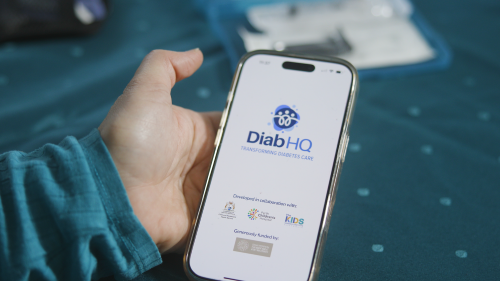
Unwanted devices?

The PMH Diabetes and Endocrinology clinic is seeking donations of old Apple and android devices to pass on to families for CGM.

PLAYCE

With rising levels of physical and mental health issues, ensuring children establish good physical activity behaviours early in life is more important than ever.

Our research

At The Kids Research Institute Australia, we've been thinking of the kids for 35 years. We are finding the answers to some of the biggest problems facing the health and wellbeing of children and families. Our Research Themes host defined programs of work where the Institute has clear strengths and capacity. Our overarching commitment to First Nations Health and Equity is embedded across all our work and features as a core consideration in each Research Theme. The Institute is committed to ending the disparity in health and wellbeing outcomes between Aboriginal and non-Aboriginal kids and families.

News & Events

Virtual reality diabetes

When Josh Wulf’s son was diagnosed with Type 1 Diabetes, little did he know that one day he would be helping other T1D families manage the condition.

Research

Host Immune Response to Scabies

Scabies infection is associated with heightened total IgE immunoglobulin and IgE antibodies to scabies antigens, with both being extremely high for crusted scabies patients. The IgE antibodies cross-react with house dust mite allergens with high reactivity found to the minor allergen arginine kinase.

News & Events

New study unveils benefits of blue and green spaces for boosting child wellbeing

Preschool children with more backyard space and those who live closer to parks and water do more active play than children from other neighbourhoods, according to a new study by The Kids Research Institute Australia.