
Search
Research
Comparison of experiences in two birth cohorts comprising young families with children under four years during the initial Covid-19 lockdown in Australia and the UK: A qualitative studyThis study aims to understand the experience and impact of the initial COVID-19 lock-down in young families with children aged below 4 years. Free text questions were administered to participants in the ORIGINS (Australia) and Born in Bradford (UK) cohort studies to collect qualitative information on worries, concerns and enjoyable experiences during the pandemic.
Research
PKC activation promotes maturation of cord blood T cells towards a Th1 IFN-γ propensityA significant number of babies present transiently with low protein kinase C zeta (PKCζ) levels in cord blood T cells, associated with reduced ability to transition from a neonatal Th2 to a mature Th1 cytokine bias, leading to a higher risk of developing allergic sensitisation, compared to neonates whose T cells have 'normal' PKCζ levels. However, the importance of PKCζ signalling in regulating their differentiation from a Th2 to a Th1 cytokine phenotype propensity remains undefined.
Research
Earth dreams: Reimagining ARPA for health of people, places and planetBold new approaches are urgently needed to overcome global health challenges. The proposed Advanced Research Projects Agency for Health (ARPA-H) is intended to provide rapid health breakthroughs.
News & Events
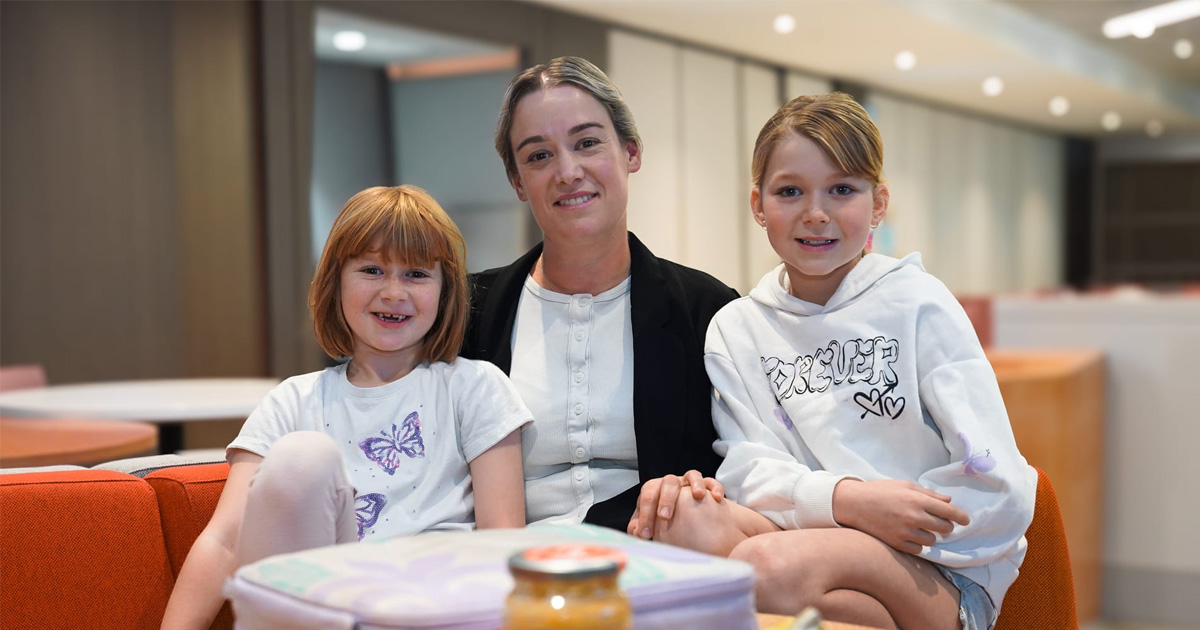
New evidence shows timely introduction of peanuts and eggs reduces allergy risksFamilies who introduce peanut butter and eggs to their baby’s diet at around six months of age can significantly reduce the chances of them developing a life-threatening allergy, according to a new study published in the Journal of Allergy and Clinical Immunology – In Practice.