
Search
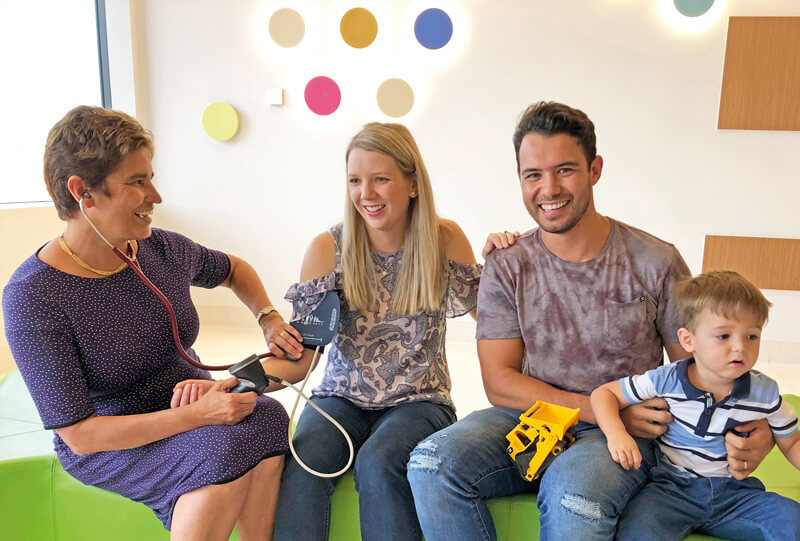
A Quinns Rocks family who became the 1000th family to sign up for the ORIGINS Project is excited to be contributing to such ground-breaking research.
Gail Andrew Videos Alvares Whitehouse Watch and listen to Andrew PhD PhD Principal Research Fellow Deputy Director (Research); Angela Wright Bennett
Andrew Videos Whitehouse Watch and listen to Andrew PhD Deputy Director (Research); Angela Wright Bennett Professor of Autism Research at The Kids
Amy Andrew Carol Deborah Gail Helen Jenny Kandice Martyn Videos Finlay-Jones Whitehouse Watch and listen to Andrew Bower Strickland Alvares Leonard
Chris Andrew Monique Videos Brennan-Jones Whitehouse Watch and listen to Andrew Robinson PhD PhD PhD MPsych (Clin) MAPS Head, Ear and Hearing Health
Andrew Chris Gail Susan Peter Videos Whitehouse Watch and listen to Andrew Brennan-Jones Alvares Prescott Jacoby PhD PhD PhD MBBS BMedSci PhD FRACP
Andrew Desiree Gail Kandice Videos Whitehouse Watch and listen to Andrew Silva Alvares Varcin PhD MBBS, FRACP, MPH, PhD PhD M.Psych (Clinical), PhD
Andrew Gail Videos Whitehouse Watch and listen to Andrew Alvares PhD PhD Deputy Director (Research); Angela Wright Bennett Professor of Autism
Australia’s leading source of evidence dedicated to reducing prenatal alcohol exposure and promoting optimal outcomes for people with fetal alcohol spectrum disorder (FASD).
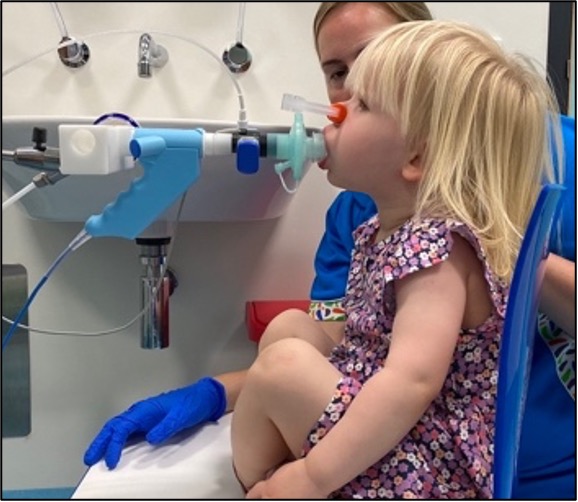
This national, multi-centre study will generate the evidence needed to implement promising preschool lung function tests, multiple breath washout (MBW) and oscillometry (OSC), into clinical practice to enable early detection of lung function impairment in young children.