
Search
Group A Streptococcal (GAS) pharyngitis is an important precursor infection to severe complications including rheumatic fever and invasive GAS. Rapid molecular point of care testing (POCT) for GAS infection has advantages over traditional microbiological culture, especially in settings with limited or absent laboratory infrastructure and where GAS complications predominate.
Remote Aboriginal communities in Australia are located on traditional lands holding deep cultural significance and meaning for residents. However, systemic inequity rooted in colonisation has driven persistent housing and health disparities, with inadequate environmental health conditions within homes and communities a prominent example.
Although essential for overall health and wellbeing, little is known about skin health in urban-living Australian Aboriginal children. This co-designed, research-service project aimed to describe skin health and document skin disease frequency in urban-living Aboriginal children and young people in Western Australia and investigate housing associations for skin infections.
The transmission of Group A Streptococcus (Strep A) through respiratory droplets has been considered the dominant mode of transmission to date; however, little is known about the relative contribution of other modes of transmission. This review systematically summarises the contemporary evidence regarding the transmission of Strep A.
The abundant skin commensal, Staphylococcus epidermidis, is the leading cause of late-onset sepsis (LOS) in preterm infants but rarely causes infections in term infants and adults. Staphylococcal virulence mechanisms and the role of the preterm immune responses in driving these life-threatening infections remain poorly understood.
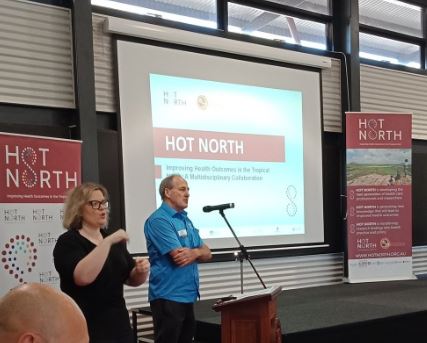
Over 100 researchers and health professionals from around Australia have united in Broome this week to address the major health battles facing people living in the tropical north of the country.
Convalescent plasma has been widely used to treat COVID-19 and is under investigation in numerous randomized clinical trials, but results are publicly available only for a small number of trials. The objective of this study was to assess the benefits of convalescent plasma treatment compared to placebo or no treatment and all-cause mortality in patients with COVID-19.
Acute rheumatic fever is infrequently diagnosed in sub-Saharan African countries despite the high prevalence of rheumatic heart disease. We aimed to determine the incidence of acute rheumatic fever in northern and western Uganda.
Viridans group streptococci (VGS) are an important cause of sepsis in immunosuppressed children. We reviewed the effectiveness of risk-stratified addition of vancomycin to empiric febrile neutropenia therapy among 107 children with leukemia or undergoing an allogeneic transplant.
The Pre-school Osteoarticular Infection (POI) study aimed to describe the burden of disease, epidemiology, microbiology and treatment of acute osteoarticular infections (OAI) and the role of Kingella kingae in these infections.