
Search

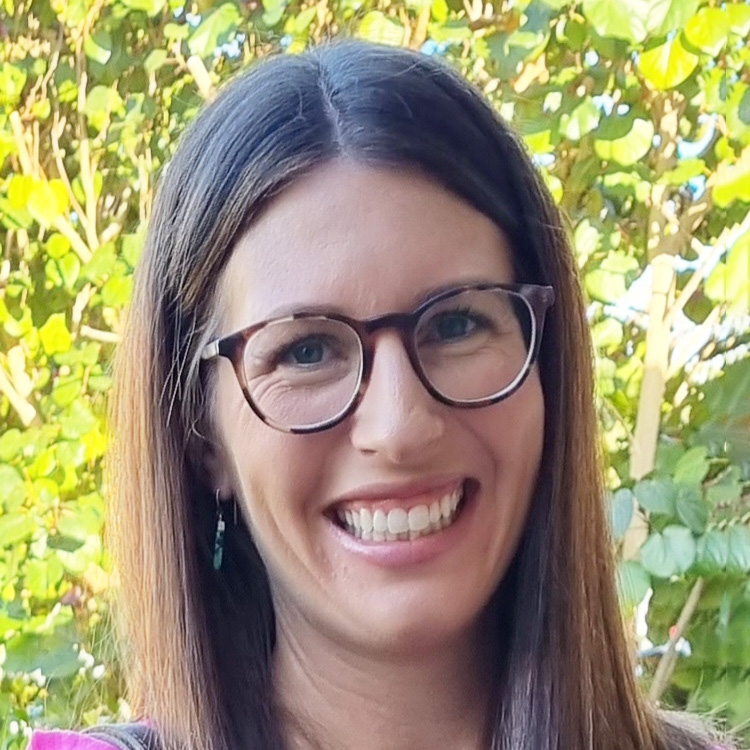
Research Officer
Senior Research Officer
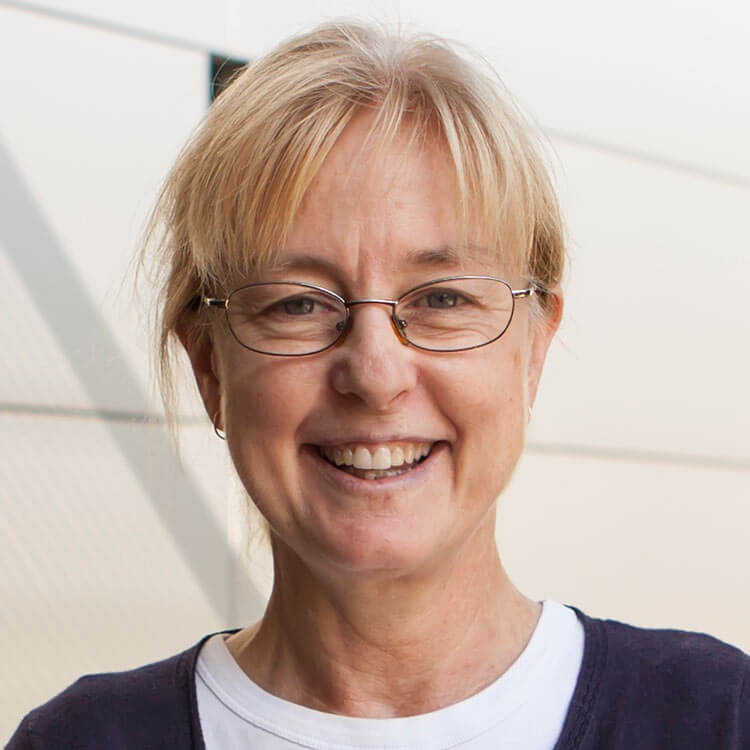
Head, Child Disability
Senior Research Fellow
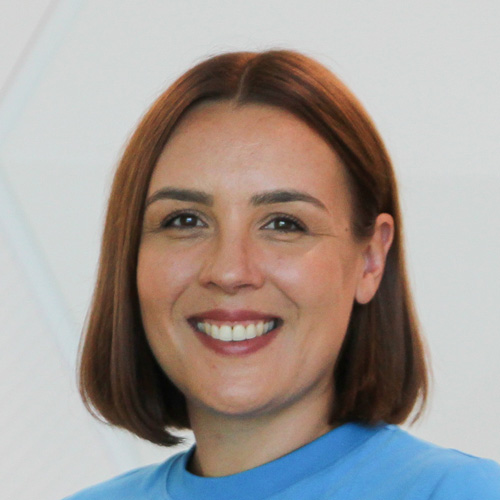
Within the Child Disability Team Jess has contributed to research that aims to improve understanding and measurement of the communication of people with CDKL5 Deficiency Disorder (CDD) by conducting and analysing interviews with families.
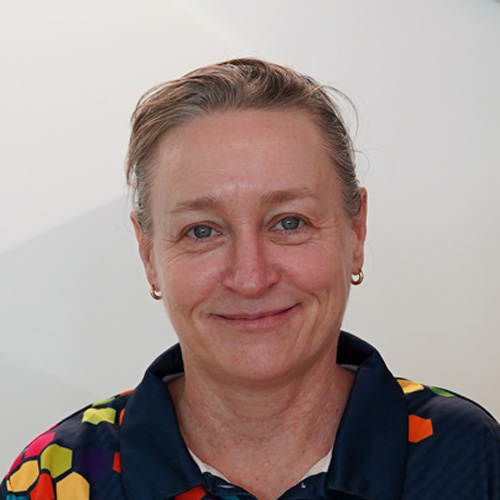
Helen Jenny Leonard Downs MBChB MPH BApplSci (physio) MSc PhD Principal Research Fellow Head, Child Disability +61 419 956 946 08 6319 1763
CDKL5 deficiency disorder is a rare and severe developmental and epileptic encephalopathy that has profound effects on communication. It is essential that communication be measured accurately for upcoming gene therapy trials. The Communication Inventory Disability-Observer Reported was developed from a framework of communication derived from parent/caregiver interview data in consultation with disability and communication experts, and after reviewing concepts in existing measures.
CDKL5 deficiency disorder (CDD) is a rare developmental and epileptic encephalopathy (DEE) associated with multiple impairments and comorbidities. Outcome measures for disease-modifying clinical trials for DEEs should measurably capture a spectrum of caregiver priorities and be externally validated.
Social media allows users to connect with others’ experiences and points of view, with TikTok being the fastest-growing platform worldwide. Highly viewed videos related to neurodiversity on TikTok have an increasing role in understanding and acceptance of neurodivergent individuals.
Children with neurodevelopmental disorders often experience difficulties in acquiring and executing movement skills. Although the motor profiles of neurodivergent children frequently overlap, rigid conceptual distinctions between diagnostic labels have been imposed by traditional categorical approaches to taxonomy. An alternative transdiagnostic approach is proposed to better represent the similarities between presentations.