
Search
To assess the level of financial toxicity of informal caregivers of colorectal cancer patients and explore the related key influencing factors.
Delivering cancer control at scale for Aboriginal and Torres Strait Islander communities is a national priority that requires Aboriginal and Torres Strait Islander leadership and codesign, as well as significant involvement of the Aboriginal community-controlled health sector. The unique genomic variation observed among Aboriginal and Torres Strait Islander peoples may have implications for standard and precision medicine.
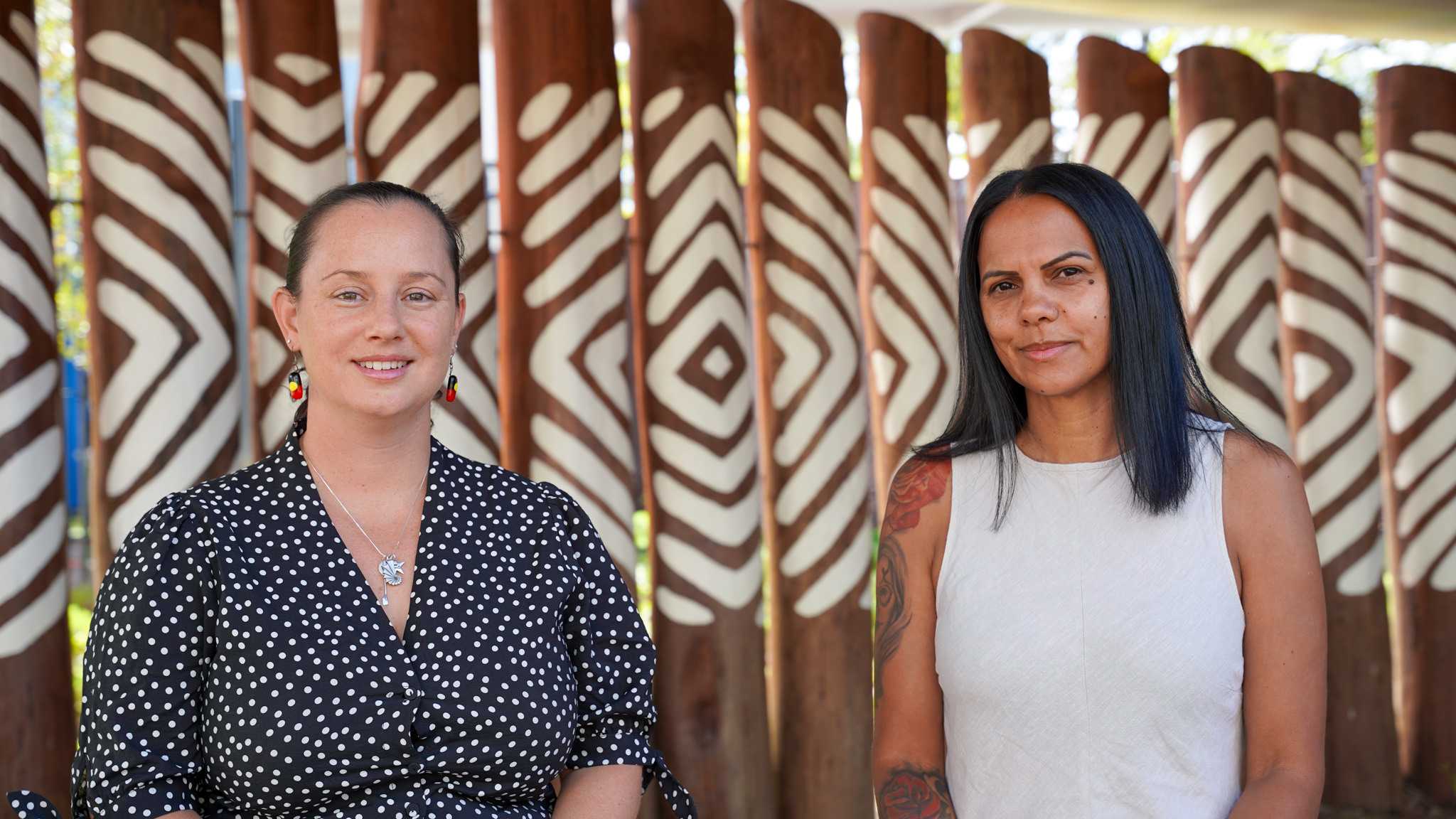
A first of its kind research program at The Kids Research Institute Australia aims to develop new strategies to better treat Aboriginal and Torres Strait Islander children with cancer.
Risk factors for non-communicable diseases (NCDs, cardiovascular diseases, cancers, chronic respiratory diseases, diabetes, and mental disorders) arise in adolescence but are mostly framed as relevant to health in adulthood; little is known about the relationship between co-occurring NCD risks and mental wellbeing in young people.
Non-communicable diseases (NCDs) such as cancer, diabetes, heart disease, mental disorder and chronic lung conditions are the leading cause of death and disability in Indonesia. Adolescence is when risks for NCDs emerge and it is also an important life stage for intervention, yet young people are often at the margins of NCD policy and actions.
Whereas CD4+ T cells conventionally mediate antitumor immunity by providing help to CD8+ T cells, recent clinical studies have implied an important role for cytotoxic CD4+ T cells in cancer immunity. Using an orthotopic melanoma model, we provide a detailed account of antitumoral CD4+ T cell responses and their regulation by major histocompatibility complex class II (MHC II) in the skin.