
Search
A research review from The Kids for Child Health Research has cast doubt on the effectiveness of some complementary and alternative therapies for
A new study from Perth's The Kids for Child Health Research has uncovered more evidence of a link between early testosterone levels and autism.
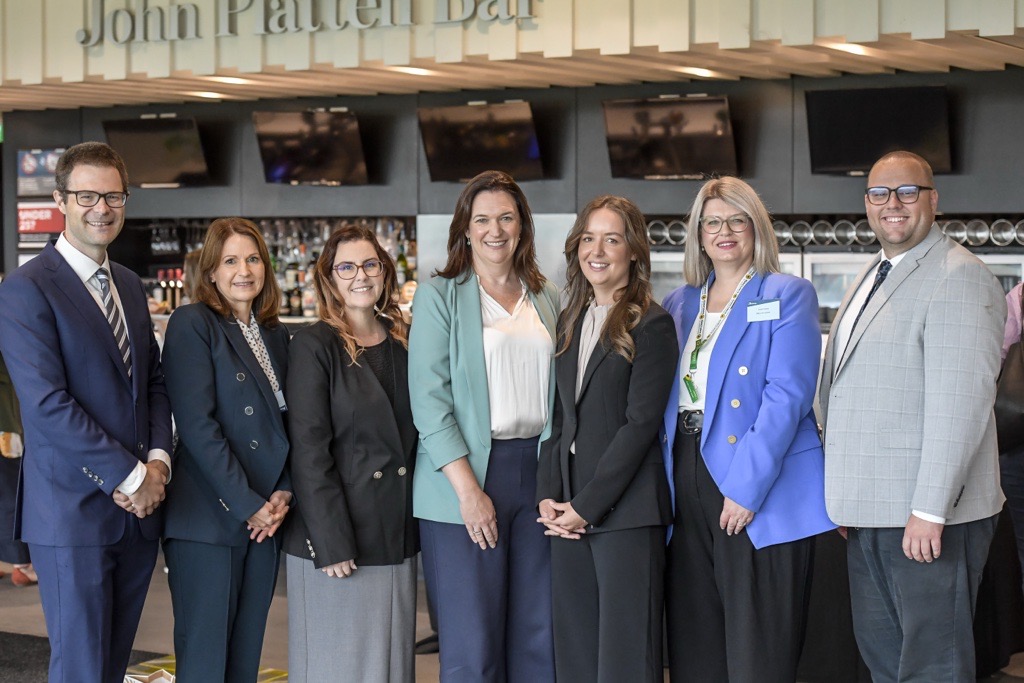
South Australian families with babies showing early social and communication differences will be among the first to benefit from a nation-leading early support program, as The Kids Research Institute Australia’s Inklings Program officially launches in South Australia.
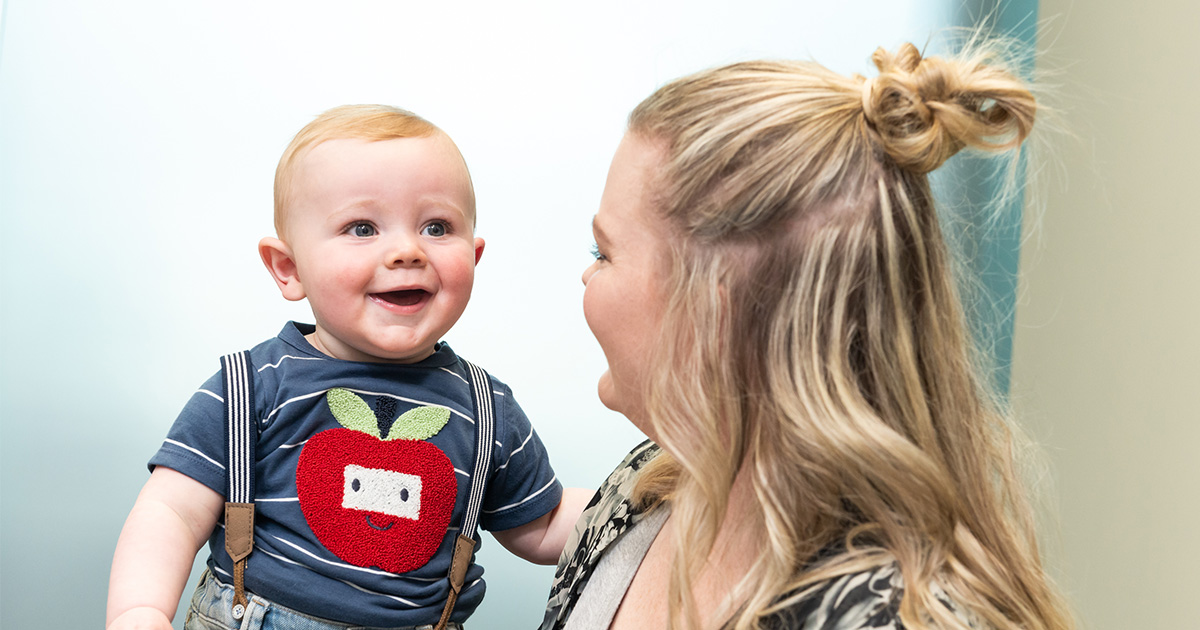
A world-first program for babies with delays in their social and communication skills has been launched in Western Australia, thanks to support from the National Disability Insurance Agency (NDIA).
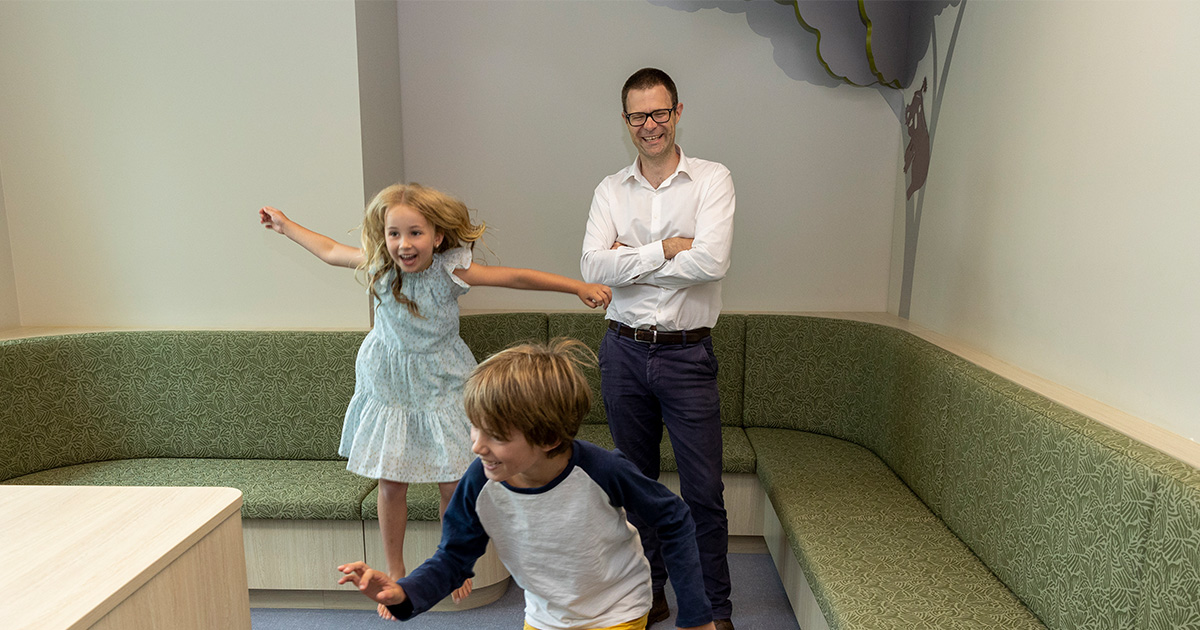
The Kids Research Institute Australia's Professor Andrew Whitehouse and Sarah Pillar share four things families can do to support their child while waiting to receive an ADHD or autism diagnostic assessment.
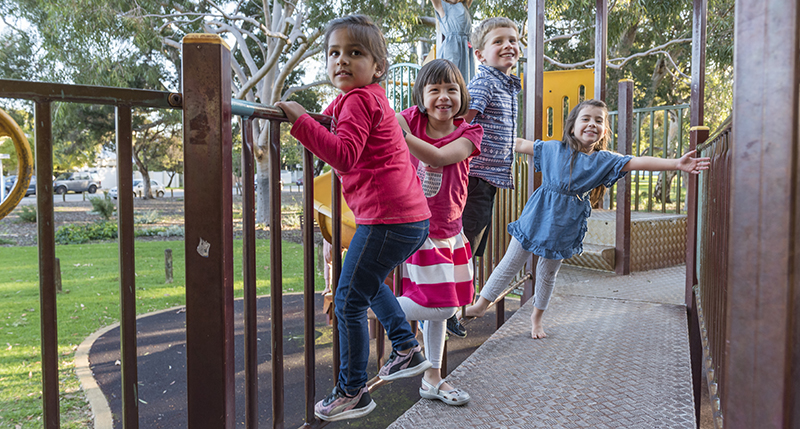
On International Day for People with Disability this Sunday, The Kids Research Institute Australia celebrates the children and families we work with in our research, as we strive for better outcomes for kids with disability.
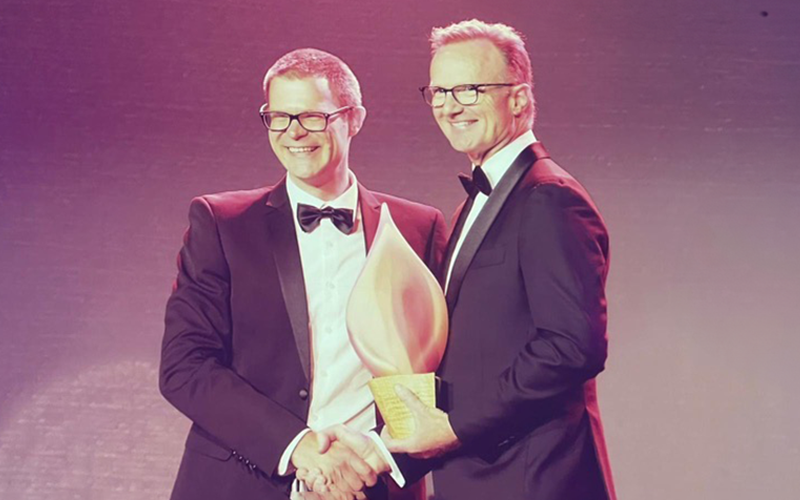
Autism researcher Professor Andrew Whitehouse has been named this year’s Western Australian of the Year in the HBF Professions category.
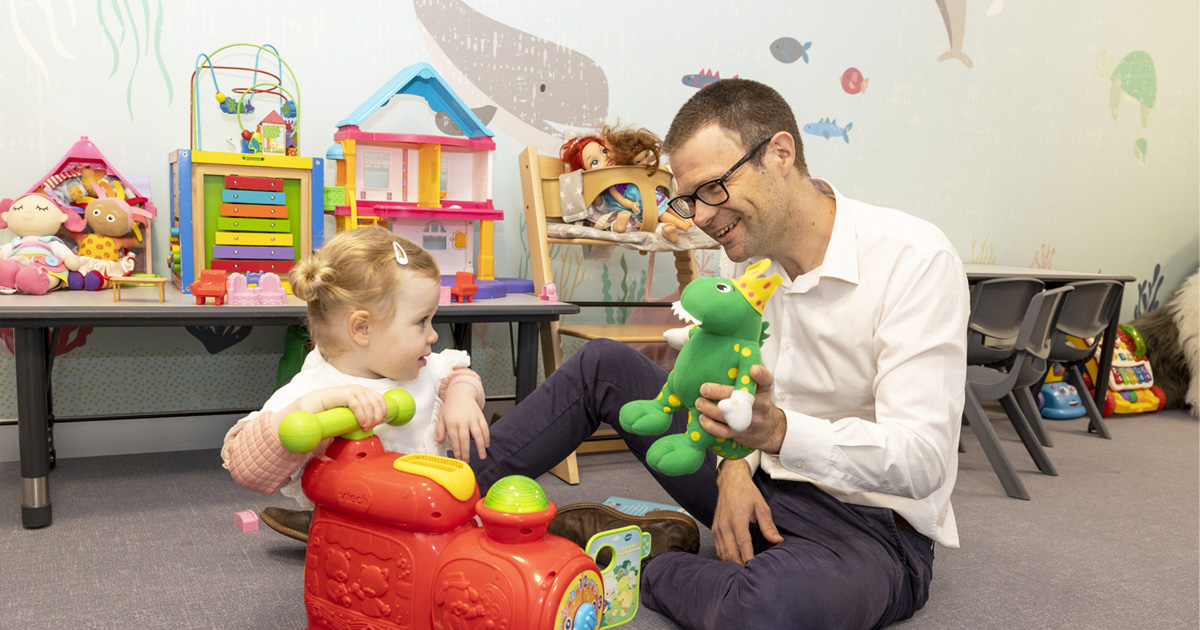
The Kids Research Institute Australia welcomes today’s Federal Government announcement of a new pilot program to support babies showing early social communication differences in Western Australia.
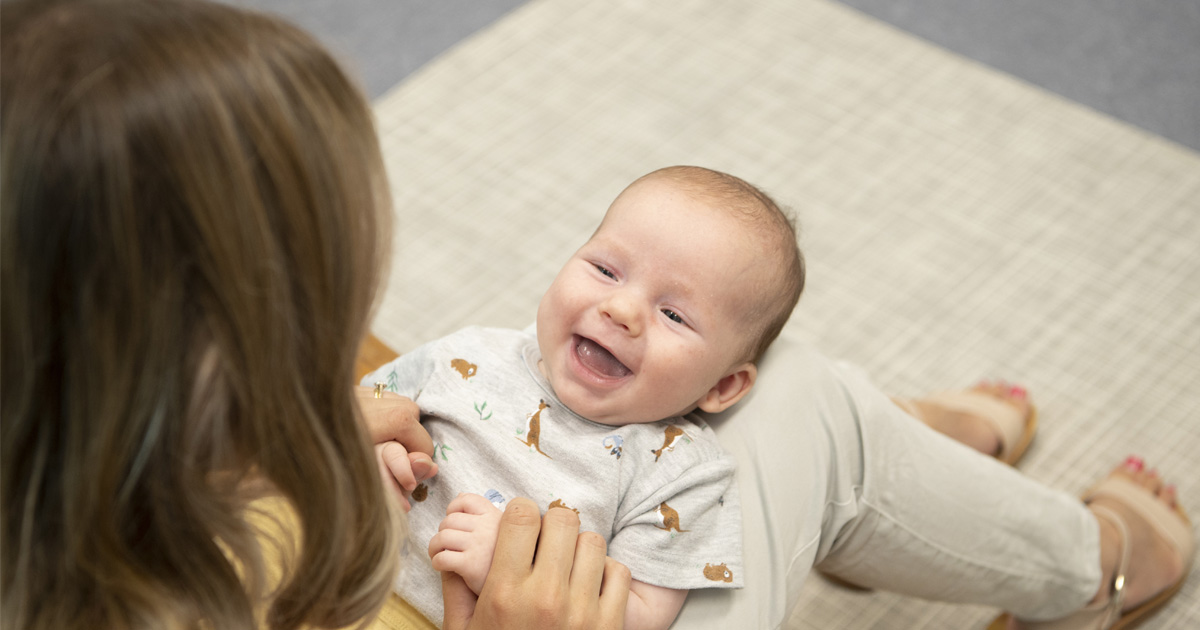
New research evaluating the potential cost savings of a therapy for babies displaying early autism signs has predicted a three dollar return to Australia’s National Disability Insurance Scheme (NDIS) for every dollar invested in therapy.
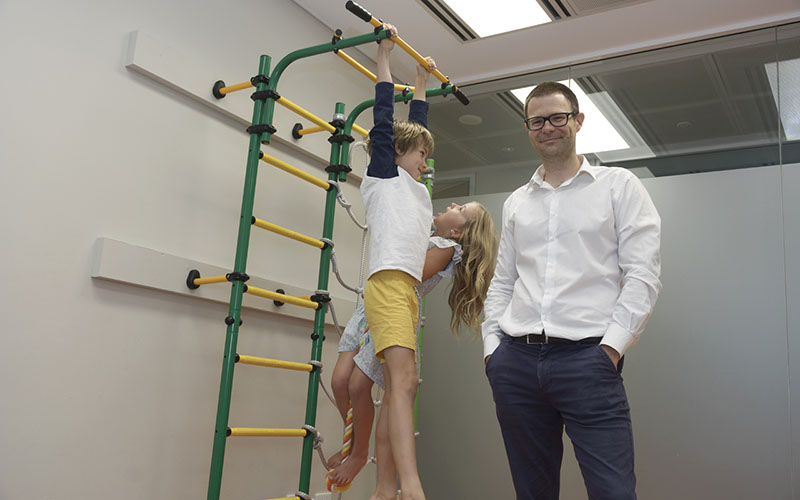
Professor Andrew Whitehouse, who has helped transform clinical support for children on the autism spectrum in Australia, is nominated for WA's 2023 Australian of the Year.