
Search
Assessment of motor competence is critical for planning and monitoring children's development. However, many assessment tools require time, training, and resources not available to most teachers. We aimed to evaluate the external aspect of construct validity of a rapid product-oriented fundamental movement skill assessment tool designed specifically for primary education settings.
Childhood is a critical period for the development of movement behaviours such as physical activity, sleep and sedentary behaviour. The PLAYCE Cohort was established to investigate how movement behaviours change over early to middle childhood, across key behaviour settings and relationships with health and development. An overview of the PLAYCE cohort, summary of key findings to date, and future research opportunities are presented.
Youth sports programs provide an opportunity to embed mental health and wellbeing programs to reach young people with mental health support. The aims of this study were to (a) examine mental health outcomes from a youth sports program including a mental health program (Life-Fit-Learning) in adolescent boys and girls, and (b) among the larger cohort of adolescent boys, to examine whether partial or full completion of Life-Fit-Learning yielded different outcomes for boys within healthy and high-risk ranges for anxiety, depression and behavioral concerns.
High levels of sedentary behaviour are associated with poor child health outcomes such as obesity. Early childhood education and care (ECEC) services are a key intervention setting. Most ECEC policy-based interventions focus on children's nutrition and physical activity with few aimed at children's sedentary behaviour.
A main challenge identified by youth during exercise and sport is the lack of knowledge and awareness around type 1 diabetes (T1D) particularly in community sport settings. Working with youth living with T1D, parents and community sport coaches, our team has developed resources for the T1D and sporting community. This study was to evaluate the acceptability and usability of the resources.
Children's physical activity and screen time behaviours impact their physical health and well-being. In Australia, less than half of children meet daily physical activity recommendations and only one-third meet daily screen time recommendations.
Overweight and obesity in children continues to increase. Yet, the role of active transport, namely walking, in mitigating these trends remains unclear. This study examined the cross-sectional association between walkability and children's Body Mass Index (BMI) and how this varies by socio-economic and lifestyle characteristics.
Canada, Australia, the World Health Organization and other countries have released 24-hour movement guidelines for the early years which integrate physical activity, sedentary behaviour, and sleep, focusing on supporting children to achieve a healthy 24-hour day. The guideline evidence synthesis, however, highlighted the dearth of high-quality evidence, particularly from large-scale studies.
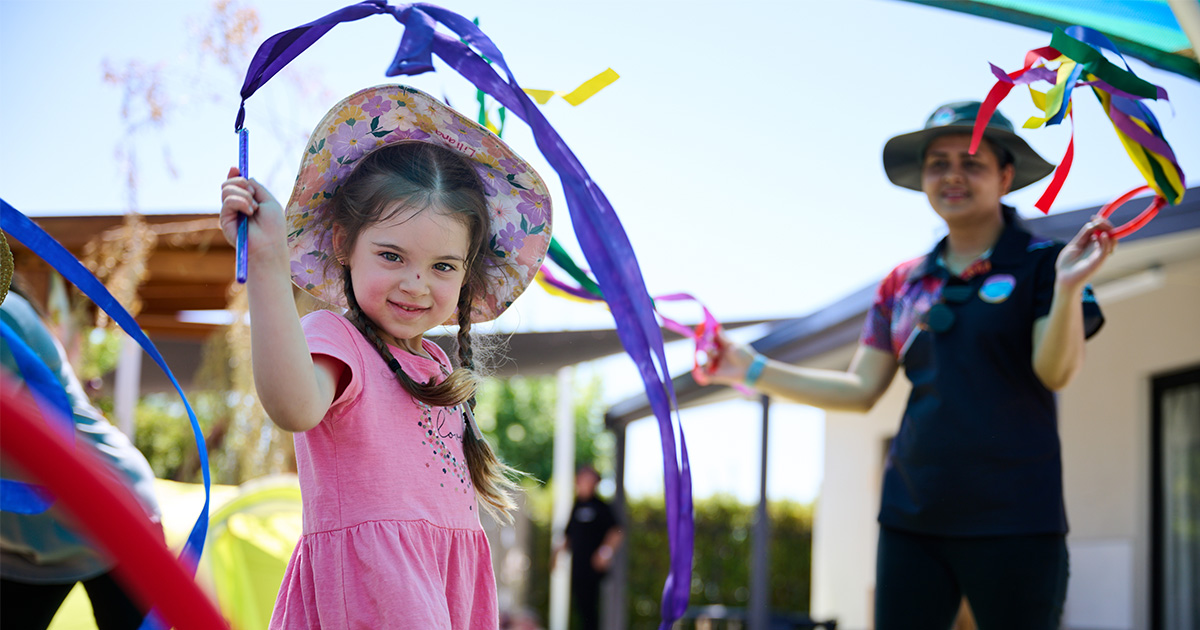
More than 80,000 Australian children are expected to benefit as 700 childcare centres across the country trial a new program aimed at boosting declining physical activity levels.

The Kids Research Institute Australia and The University of Western Australia researchers have been awarded more than $1 million in funding from Healthway, for projects to improve the mental health of LGBTQA+ young people, encourage early physical activity in childcare centres and create healthier local environme