
Search
Around the world, adolescents are more digitally connected than ever, and access to digital devices has become a lightning rod of conflict in many homes. To date, research on best practices in digital parenting has been hampered by the absence of a well validated measure that reflects the mutli-faceted realities of parenting in the contemporary digital age.
With an increasing number of grandparents providing care to their grandchildren, calls have been made for these caregivers to be considered important stakeholders in encouraging children's engagement in health-promoting behaviors, such as physical activity.
Screen time guidelines recommend no screens under two years due to the potential negative impacts on development. While current reports suggest many children exceed this, research relies on parent reports of their children's screen exposure. We objectively assess screen exposure during the first two years and how it differs by maternal education and gender.
Growing up in a language-rich home environment is important for children's language development in the early years. The concept of "technoference" (technology-based interference) suggests that screen time may be interfering with opportunities for talk and interactions between parent and child; however, limited longitudinal evidence exists exploring this association.
Steve Desiree Zubrick Silva FASSA, FAAMHS, MSc AM PhD MBBS, FRACP, MPH, PhD Honorary Emeritus Research Fellow Co-Director, ORIGINS 08 6319 1409
The prevalence estimates of physical activity, sedentary behavior, and sleep (collectively known as movement behaviors) in 3- and 4-year-old children worldwide remains uncertain.
To investigate how dieting is portrayed on TikTok and the potential implications for public health considering the effect of diet culture on eating disorders amongst young people.
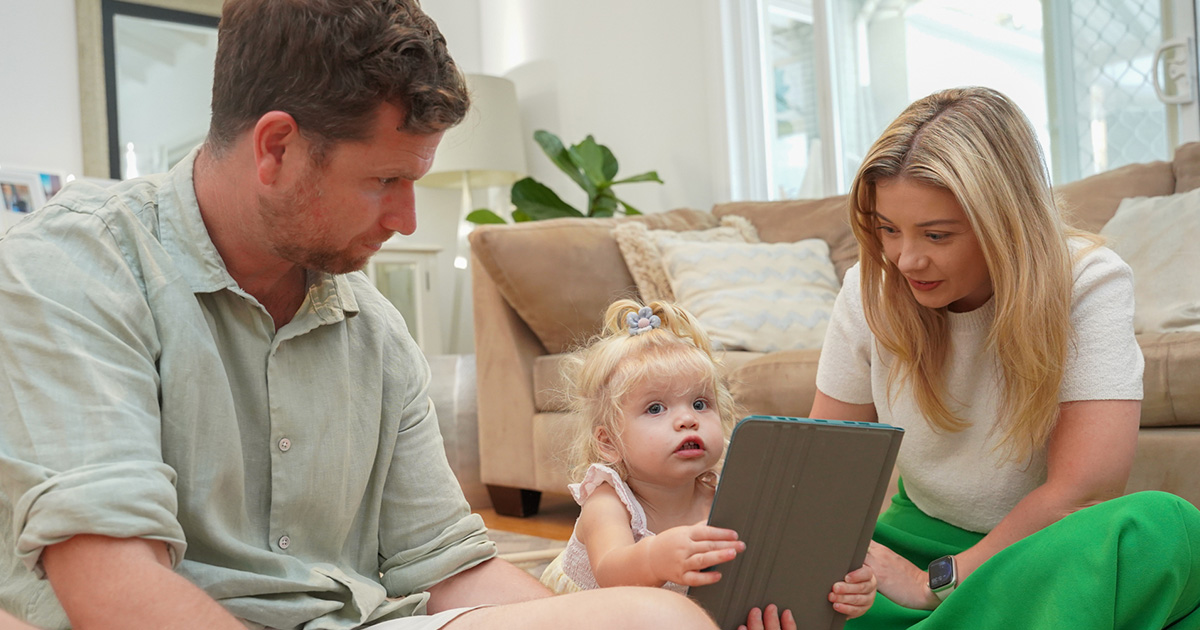
A first-of-its kind study has found that for every minute of screen time toddlers are exposed to at home, they hear fewer adult words, make fewer vocalisations and engage in fewer back-and-forth conversations with their parents.

A study of ORIGINS families has revealed a positive aspect to the COVID pandemic, with families found to benefit from the extra time together during lockdowns and mobile devices proving useful for helping them stay in touch with extended family and friends and for activities such as online classes.

Australian parents have a new weapon in the battle to keep their kids safe online with the launch of ‘Beacon’.