
Search
Showing results for " buy cvv2, 【 Visit Amsiga.com 】 ojM3t2s., cc shop carding, gift card no vbv, www validcc UNt2"
Aboriginal children and families contend with higher rates of preventable infectious diseases that can be attributed to their immediate living environment. The environments in which children spend most of their time are their homes and schools. We aimed to understand the opportunities in the school setting to support student skin health and wellbeing through environmental health activities, how these activities were completed, and the barriers to their implementation.
Remote Aboriginal communities in Australia are located on traditional lands holding deep cultural significance and meaning for residents. However, systemic inequity rooted in colonisation has driven persistent housing and health disparities, with inadequate environmental health conditions within homes and communities a prominent example.
Although essential for overall health and wellbeing, little is known about skin health in urban-living Australian Aboriginal children. This co-designed, research-service project aimed to describe skin health and document skin disease frequency in urban-living Aboriginal children and young people in Western Australia and investigate housing associations for skin infections.
The social media application TikTok allows users to view and upload short-form videos. Recent evidence suggests it has significant potential for both industry and health promoters to influence public health behaviours. This protocol describes a standardised, replicable process for investigations that can be tailored to various areas of research interest, allowing comparison of content and features across public health topics.
An interactive Child Development Atlas is giving policymakers, planners and services easy access to important data about the health and wellbeing of WA families.
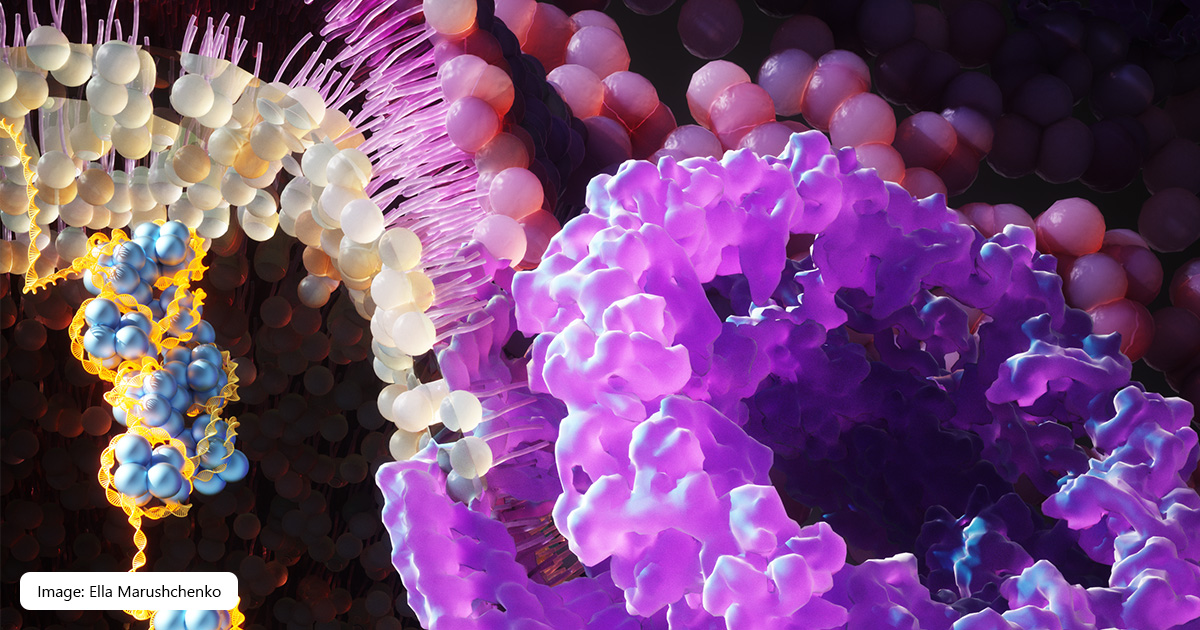
Australian researchers have developed a new method to ‘wipe the memory’ of reprogrammed human cells to better mimic embryonic stem cells, in a discovery that has significant implications for the treatment of several serious diseases.
Congratulations Dr Nicole Hill, who has been honoured at this year’s prestigious 40under40 Awards for her outstanding contributions to suicide prevention research in Australia.
New research investigating the devastating impact of the 2017 flu season by PAEDS-FluCAN, a national collaboration observing influenza in children, confirmed it was time to take action after thousands of children were hospitalised with the virus last year.
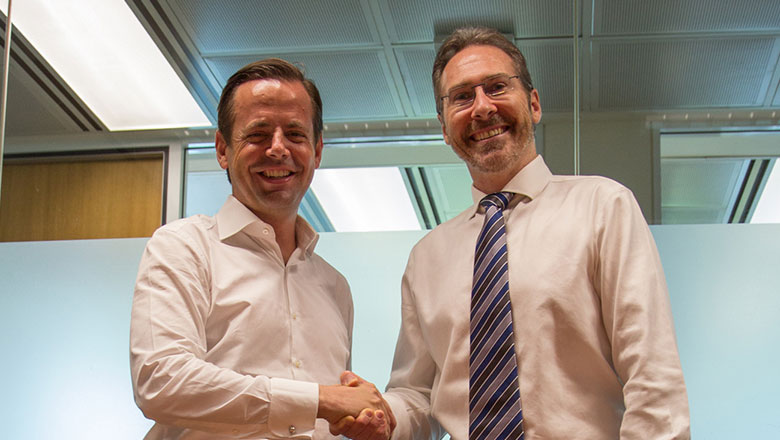
The Kids Research Institute Australia has signed a three-year extendable strategic supply partnership with leading asset finance and leasing solutions provider Alleasing.
Leading child health researcher Professor Donna Cross has been appointed as Director of the new Early Childhood Development and Learning Collaboration, hosted b