
Search
Showing results for " buy cvv2, 【 Visit Amsiga.com 】 ojM3t2s., cc shop carding, gift card no vbv, www validcc UNt2"
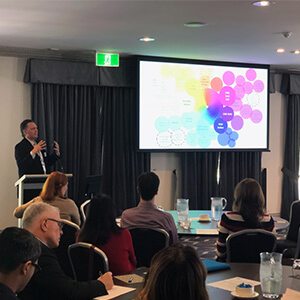
Between 3rd - 5th May 2018, researchers from Australia, New Zealand, South Africa, and the United States (representing their Uganda collaboration) convened in Fremantle, Western Australia to attend the Strep A Spectrum Meetings: from Science to Strategy.
Children spend almost one-third of their waking hours at school. Streptococcus pyogenes (Strep A) is a common childhood bacterial infection that can progress to causing serious disease. We aimed to detect Strep A in classrooms by using environmental settle plates and swabbing of high-touch surfaces in two remote schools in the Kimberley, Western Australia.
In partnership with local Aboriginal Community Controlled Health Organisations, the Elder-led co-designed Koolungar Moorditj Healthy Skin project is guided by principles of reciprocity, capacity building, respect, and community involvement. Through this work, the team of Elders, community members, clinicians and research staff have gained insight into the skin health needs of urban-living Aboriginal koolungar (children); and having identified a lack of targeted and culturally appropriate health literacy and health promotion resources on moorditj (strong) skin, prioritised development of community-created healthy skin resources.
Although Streptococcus pyogenes (Strep A) is the sixth-most common infectious disease globally, its transmission within the household remains an understudied driver of infection. We undertook a systematic review to better understand the transmission of Strep A among people within the home, while highlighting opportunities for prevention.
Although Streptococcus pyogenes (Strep A) is the sixth-most common infectious disease globally, its transmission within the household remains an understudied driver of infection. We undertook a systematic review to better understand the transmission of Strep A among people within the home, while highlighting opportunities for prevention.
Group A streptococcus (GAS) infections, such as pharyngitis and impetigo, can lead to rheumatic fever and rheumatic heart disease (RHD). Australian Aboriginal and Torres Strait Islander populations experience high rates of RHD and GAS skin infection, yet rates of GAS pharyngitis are unclear.
Co-designed and in collaboration with community members, the impacts of this project will directly benefit families by building awareness, empowering decision-making, and improving confidence around the recognition and management of skin conditions for Aboriginal children.

Discover the latest community involvement opportunities from across the Institute.

We're committed to involving consumers and the community in all aspects of our research.
For millennia, Aboriginal people's ways of knowing, doing and being were shared through art, song, and dance. Colonisation silenced these ways, affecting loss of self-determination for Aboriginal people. Over the past decade in Australia, hip-hop projects have become culturally appropriate approaches for health promotion.